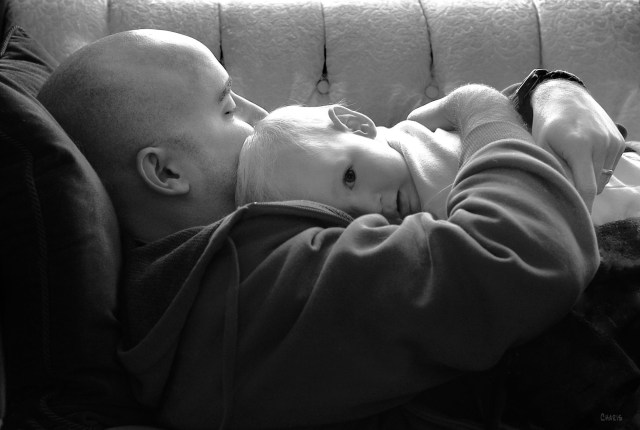
Spiritual identity means we are not what we do or what people say about us.
And we are not what we have.
We are the beloved daughters and sons of God.
– Henri Nouwen

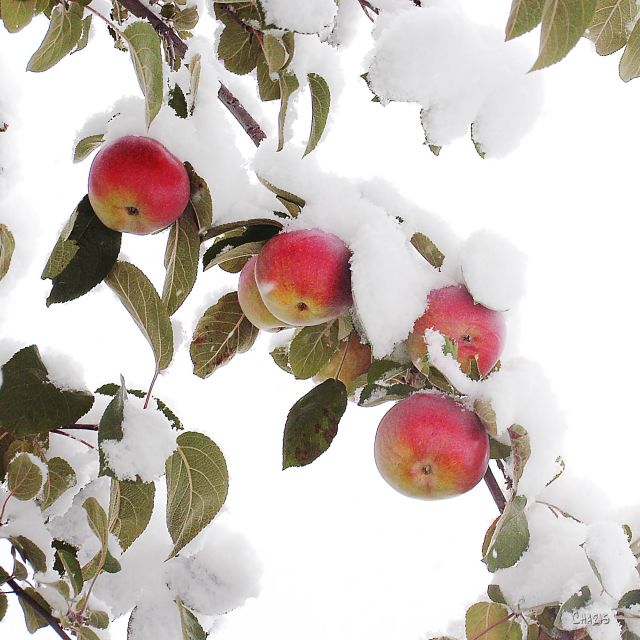
I was out for a walk in the first snow one fall day when I saw these apples. The branch hung over the fence in the back lane. The owner picks the fruit on lower branches on his garden side. These are more difficult to reach, so they remain unplucked year after year.
In my last post I described my dream about Esther in Ephesians. It was bracketed by two dream scenes. In the first, people were at a banquet, hosted by the evangelist. He paid for the meal. The tables were laden with food like the luxurious feasts on cruise ships. I noticed most of them were filling their plates with desserts and sugary confections. Garbage cans overflowed with healthy entrees that had been sampled and tossed.
In the last scene (after the Esther part) the banquet hall was nearly empty. I asked someone where I could get breakfast and they pointed to plates on a very high shelf. With effort I could just reach the edge of a plate and slowly slide it toward the edge until it tipped and I could catch it. It wasn’t possible to see what was up there so there was no picking and choosing. A couple of other folk managed to stretch up and coax plates down. They also held nutritious organic fruits and vegetables and bread.
There are seasons of ebb and flow in this life. Graham Cooke calls them times of “Hiddeness and Manifestation.” Sometimes there is such a strong sense of the Holy Spirit’s active engagement in our lives we can’t take it all in. Sometimes there are seasons of questions when answers seem to be sparse, when we have to stretch (move in faith) and fill up on solid basic principles about who God is and who we are in Him. These are seasons of preparation.
Razzle dazzle days are wonderful and God loves to party with his kids. That’s when the crowds show up. But sometimes he holds back to see who will be there when understanding doesn’t come as easily, when the entertainment factor is missing, when they need to ask for their daily bread, when they need solid nutritious food.
I found something to stand on then reached up and picked one of those apples. It was crisp and cold and sweet with just the right amount of tartness. Best apple I’ve ever tasted.
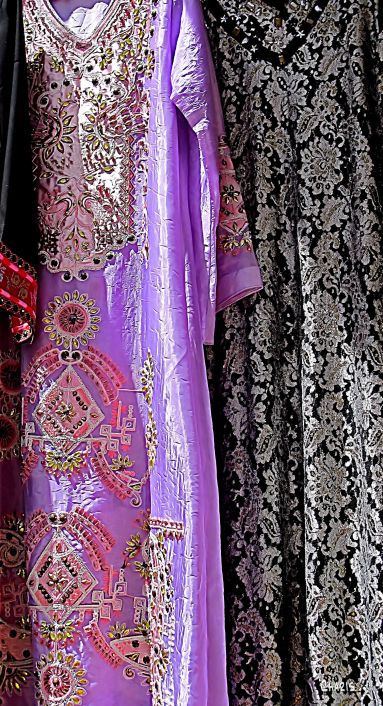
Yesterday I heard a friend talk about Esther. He reminded us of the preparation she went through to bring her to a unique position of influence. I’ve been fascinated by the life of the orphan queen ever since I had a dream involving Esther.
The story is told in the Bible of a young parent-less Jewish woman, adopted by her cousin, who rose from obscurity to the position of queen in the land where her people lived in exile. She dared to defy protocol and approached the king in the throne room without first having been summoned by him. As her cousin, Mordecai, reasoned, it looked like God arranged for her to be there to help her people in a time of crisis. It’s great story, the kind that is made into Hollywood movies. But, if you take time to read it, you will notice that the story is not as innocent as the Christian family versions.
Right from the beginning of the book it’s apparent that in this place men had all the power. It’s also apparent that this was a culture that accepted the practice of sexual slavery at the highest level. After the king banished his previous wife, Vashti, for refusing to parade her beauty (whatever that means) in front of a crowd of drunk men, officials scoured the land to find beautiful women (perhaps girls) to take to the ruler for his inspection. After a night spent with him, a woman moved from the house of virgins to the house of concubines. If the king did not delight in her, she was never summoned by him and never allowed to marry anyone else. This was no Miss America pageant.
Hadassah (renamed Esther) was Jewish. Ahasuerus (aka Xerxes) was the leader of the nation who had destroyed her country and her family and dragged them off as spoils of war. If this had been Nazi Germany our heroine could have been killed by one side for failing to cooperate or the other for being a collaborator.
Esther had no parents. For a cousin to take over raising her meant she, like most people with her background, probably suffered trauma as a child. She had deep hidden scars. She understood loss. Ethnic background is kept secret for a reason.
But Esther chose to learn all she could about the king. She had help from Hegai, the king’s eunuch. (In many eastern cultures it was standard procedure to castrate males working around the palace and make them eunuchs, like Daniel and his friends probably were, to prevent any possibility of cross-pollination, so to speak.) Hegai may have understood Esther’s background. Together they committed to this path as she received a year of beauty treatments – an ancient version of a radical make-over.

The king chose her as his wife and instead of banishment to the back rooms of the walled prison for women she lived in luxury as his favourite. Then came the day when she risked it all for the sake of her people. The king had signed an irreversible edict clearing the way for genocide for not only all the people in her ethnic group, but possibly herself as well. Making the decision to boldly approach the throne without being summoned was not made lightly. She asked others to fast and pray with her for three days first. Esther took the action with the full knowledge that she could lose everything, including her life. She was terrified. Such radical acts did not come easily to a woman raised in an oppressive patriarchal culture.
“If I perish, I perish,” she said.
In my dream about Esther a well-known evangelist phoned and asked me to help him with a sermon illustration. He needed two young girls who could help him dramatize the story. I told him I knew of two eight- year olds who might like to be involved.
“No. More mature. I need two ten-year olds.” he said.
He seemed very excited about a new revelation he had from the book of Esther in the New Testament.
“The book of Esther is in the Old Testament,” I corrected.
“Esther is in the New Testament,” he insisted. “It’s in Ephesians.”
“What version are you using?” I asked, feeling pretty confidant that I was right and he was not.
“The Transition Version,” he said, equally as confident.
I immediately felt the dream was important. There was a lot more to it. It was about something taking place in the heart of the Church that includes women and honours femininity, about shocking methods God sometimes uses to get us where he wants us, about preparations for future assignments and about reaching higher for the most nutritious food. But telling you about all of it will take too long for a single blog post, so I’ll just talk about this part.
I read the book of Ephesians looking for references to Esther. I didn’t see any, but I did see this. Ephesians can be divided into three parts. The first part tells the believer in Christ how their identity and position has changed. I recommend writing down all the phrases in the first two or three chapters which talk about new identity. Amazing! You are blessed, faithful, holy, blameless, pure, for His praise… so many wonderful hard-to-believe good words! These phrases in particular caught my attention:
You are chosen.
You are lavished with the riches of His grace.
You are raised up and seated with Him.
You are privy to the mystery of His purpose.

Wait. Esther was chosen from among many. She was lavished with luxurious perfumes, ointments, jewels and fine garments. She was raised up from obscurity as an orphan to life as a bride of the king, seated beside him. She became privy to secret information about her purpose in being there.
Then my eyes fell on these words in the third chapter: We have boldness and access with confidence to heavenly places through our faith in Jesus Christ, our Lord.
Esther had access to the throne! It was the king’s love for her that saved her life. It was his generous hand extended to her that granted her whatever she asked of him.
I was beginning to see the parallels. The first part of Ephesians tells us who we are and where we are now. When we begin to understand our high calling and how God sees us through the eyes of love we begin to understand the transition that is taking place in us.

I’ve seen rows of Bibles for sale subtitled, The End-times Version, The Mother’s Version, The Christian Worker’s Version etc. This always struck me as odd. Was it not all the same Bible? What these “versions” do is highlight passages relative to the person they hope will buy a copy. These passages highlighted to me in Ephesians made it a Transition Version of the story of life in Christ. In Him we are given a make-over, we are given a new position, we are changed – for a purpose.
Many of us are familiar with Ephesians 2:8. For by grace you have been saved through faith... It’s a gift. The evangelist reminded me he was looking for something more mature. Two ten year-olds! Keep going. Ephesians 2:10: For we are His workmanship, created in Christ Jesus for good works which God prepared beforehand that we should walk in them.
The next part of Ephesians teaches us about walking this new identity out in the context of relationships, singing and rejoicing together, submitting to and cooperating with each other, raising up those for whom we have responsibility to become people who fulfill their callings. Love. Honour. Be patient, Understand. Seek their best. It’s an entirely new lifestyle and no longer a competition for survival.

The third part of Ephesians tells us what all this preparation is for. We could all be happy enough with the story of a pretty beloved bride just kicking around the palace of Christianity, smelling the roses, picking out the goodies at the smorgasbord of the King’s bounty. But she is beginning to get the message, “Good grief, girl! Do you see the injustice going on in the world around you? Do you know about the plans of the opposition? The devil and his forces are determined to destroy you and your people. Do you know who you are and your position and why you are here now? Do you know you are in a unique position to actually do something about it?”
It’s a little overwhelming.
In the story Esther appeals to her master/husband. As a result the chief planner of the planned genocide of her people is himself hanged on gallows he built for Esther’s cousin. Then the king did something remarkable considering the history of ruthless power-seeking of his predecessors. He was not like them. He gave Esther and her people authority. He gave Mordecai his signet ring. He gave them swift horses from his own stable. Something unprecedented was happening here. Even the media of the day changed sides out of fear of the power now in the hands of the former victims.
On the very day their enemies planned to have mastery over them, the reverse occurred. From India to Ethiopia the victims-no-more took up arms and turned the tide. Then the king asked Esther again, “Now what is your wish? It will be granted to you.” His generosity was greater than she ever imagined.
The last chapter in Ephesians tells the Church, the Bride of Christ to stand strong in the strength of His might, to put on the armour He provides, to pray at all times in the Spirit, making supplication for all the saints.
The orphan becomes the Bride of the King of Kings. He gives her helpers in the form of apostles, prophets, evangelists, shepherds and teachers to prepare her for her calling. She is raised up and has access to the throne because she is loved. In the shelter of His love she learns who she is, where she is and how this new identity works its way into relationships. Because he adores her, the King equips her with authority to fight the enemy that comes to steal, kill, and destroy.
Esther is in Ephesians. Who knew?
For such a time as this.

The light was perfect on the little lake as I set up my camera. Then it started to rain. I muttered under my breath that everything seemed to be working against me that day.
Recently I heard someone say, “It feels like everything is conspiring against me.”
This past week I read dozens of social media posts from people who fear conspiracy in government, health, education, media, food production, even sports. I began to think about the word conspire.
Originally conspire meant to come into agreement, to breathe as one. Now it nearly always has a negative connotation. Now it involves people getting together to plan harm. An entire field of study on conspiracy theories has statistically-oriented people holed up in their academic cells pounding out dissertations on the subject at this very moment. Why do we reject legitimate warnings? Why do we believe far-fetched conjectures? Why does the motive of conspirators always seem to be to bring people down or control them?
Our son and daughter-in-law conspired to give their children something good. That summer, after snowmelt and unprecedented rain combined to flood their town, the kids watched as most of their possessions and big chunks of their home were tossed in a dumpster or piled on the street for large machinery to scoop up and haul away. Their Dad not only spent many hours working on his own home, but dedicated many more to shoveling muddy sewage out of other people’s homes and helping with a thousand other urgent matters as he was pastor of a church that owned one of the few public buildings in town that remained mostly dry.
Their parents told them that someone they knew was going on a trip to Disneyland and that they were driving to the airport to bring them their luggage. On the way their young son became sullen. As they pulled into the parking lot he could no longer contain himself.
“It’s not fair! Everybody else gets to do neat things! You always look after people and do good things for them like driving their suitcases to the airport, but a pastor doesn’t get to take his family on vacation. I hate your job!”
His parents quietly gave him a suitcase to pull to the terminal. Inside the door was a glass-covered poster advertising the thrill of Disneyland.
“Oh, look! There’s the family that is going on the trip!” Dad said, pointing to the display. Our granddaughter said she saw no family in the poster. Then she saw their own reflection in the glass. Her jaw dropped and she started jumping up and down in excitement. Our grandson refused to look. He didn’t get it. He was mad. It wasn’t until he was strapped in his seat on the plane that he accepted that it was his own family going on vacation and he broke out in a wide smile. He knew his parents had no money for a trip. It was just too hard for him to believe someone would give their family such a generous gift. He had to adjust to the idea of goodness and grace.
Sometimes conspiracies for good are about the joy of surprise. Sometimes they are for protection. We don’t tell children about events too soon in case plans change, or because they can’t understand timing. It’s not always wise to go public with business plans until everything is in place, lest the competition be given a heads-up. Sometimes people will make assumptions that steer their own preparations in the wrong direction if they know too much too soon.
We are actively trying to find the best living arrangement we can for my husband’s elderly mother. There is so much red tape and dealing with agencies who don’t seem to communicate with each other. And waiting. Waiting for appointments. Waiting for reports. Waiting for vacancies. Because her increasing memory problems make this process so confusing to her we have elected not to tell her the details. She knows we are doing something “behind her back.” Like our grandson looking resentfully at the luggage in the car, it is hard for her to believe we are not all in cahoots conspiring against her. It’s frustrating, and frankly somewhat painful. Her sons are both men of outstanding character who may be two of the most responsible, reliable, honest (to a fault) people on the planet. Sadly the disease has stolen that fact. She can’t remember who is trustworthy and who is not.
The Lord reminded me that I also have a tendency to assume he is conspiring against us.
“When, Lord?” I asked.
“When you complain that situations are hopeless, when you whine that answers take too long, when you blame me for messes of your own making but don’t ask me for help. You accuse me of conspiring against you when you forget my character and that I am good.”
Oops. Sorry.
Here’s the thing: if we believe the lie that our heavenly Father is an angry, controlling, megalomaniac in the sky who demands that we love him or he will make our lives a living hell, we will see all his plans as conspiracies of harsh punishment against us. If we remember his past goodness to us and his faithful loving character shown through Jesus Christ, who gave his life for us, we will see his plans as conspiracies of goodness – conspiracies for us.
One night I heard in a dream, “If I tell you where I am going with this it will remove the element of faith.”
Sometimes God doesn’t tell us all the details of his plans, for his own very good reasons. Sometimes he is giving us an entire renovation and all we see is our precious old stuff landing in the dumpster. Sometimes all we see is that everybody else is getting a trip to Disneyland. Sometimes all we see is one darn heavy suitcase after another that we have to carry for somebody else when he is giving us weight-lifting exercises so we will be prepared and strong enough to walk in a higher level of faith and authority.
Father, Son, and Holy Spirit always breathe together in perfect unity. They are conspiring – for our good.
For I know the plans I have for you,” declares the Lord, “plans to prosper you and not to harm you, plans to give you hope and a future. (Jeremiah 29:11)
And we know that in all things God works for the good of those who love him, who have been called according to his purpose. (Romans 8:28)

Imperfections are not inadequacies;
they are reminders that we’re all in this together.
– Brené Brown

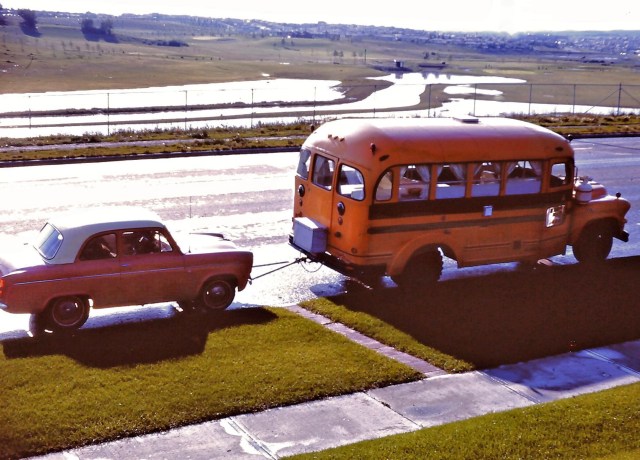
I grew up in a house on a hill on the west side of Calgary. Our picture window faced the mountains. Every chance he had Dad loaded the kids in the converted school bus and took us to Banff National Park. Calgary was where we worked and studied. Banff was where we lived.
Last week I was vacationing with family in an American city on the edge of the Rockies. My daughter suggested that for our girl’s night out we go to the Banff Film Festival showing in an auditorium nearby. I wondered what it would be like to see the familiar in an unfamiliar country. When we finally found the place my daughter sighed.
“Ahh… my people… my tribe,” she said.
I looked around. The dress code differed from other film festivals. Required elements seemed to include toques, down-filled vests, yoga pants and quality footwear that could cradle your feet to Banff and back. I qualified with Salomon hiking shoes but I was definitely in the alternative body shape category. I may have been the only one in the sold-out crowd displaying that diversity. Fortunately my daughter’s North Face and Mountain Equipment Co-op labels, my minimal footwear and two paid tickets got us seats. We settled in beside a couple of weathered guys of indeterminate age who leaned forward and uttered, “Dude!” every time a death-defying act brightened the screen.
Love of nature and mountains, rivers, and open spaces I understand. Testing the limits of athletic abilities and physical endurance I do not. I went for the photography but people wearing body cameras in several of the films kept me on the edge of vertigo and clinging to the one arm rest not claimed by the dude-mutterer every time they leapt off something. Some of the photographers hung from cables over waterfalls to film kayakers going over the edge. Yikes. Not my style.
I know many mountain adventurers. I went to school with a guy who became an Olympic and World Cup downhill ski champion. By the age of 13 he was already way out of the box. My brother became a climber of some renown who started the Upward Bound program in Canada. He told me the other day that his daughter and her partner are doing climbs he never would have attempted. Our circle of friends has included extreme skiers, boarders, mountain bikers, kayakers, runners, and rock and ice climbers. I love them, but I have never understood them. I was determined to take this opportunity to listen and observe both the audience and the people featured in the films – this “tribe.”
This is what I learned:
– They have an incredible need to break the bonds of constraint. They are driven by the search for freedom. The Great Outdoors represents the antithesis of structure. They break out of offices, shops and Emergency Rooms and head for the hills like they are Steve McQueen in The Great Escape. Nature cannot be controlled. In fact they hold in disdain those who would try to tame nature with dams and golf courses. They prefer the wild.
– Many are deeply spiritual people. They form a spiritual link with something that is too big to be contained or manufactured and wax poetic about it. It is easy for a lot of folks to exchange worship of the Creator for worship of creation, but for many God is more likely to found on a mountaintop than in a pew. (This I understand.)
– They think out of the box. One segment featured a fellow who was one of the co-inventors of the mountain bike. Frustrated with the limitations of racing bikes that needed paved roads he rummaged through dumps and garage sales and any place he could scavenge parts to make something different. He essentially re-invented the wheel when he made a fat tire that would handle rough terrain. These guys are constantly inventing new sports and new equipment.
– When they get together it’s all about the gear. I’ve known guys who willingly sleep in a car and eat nothing but beans for weeks rather than skimp on equipment. They check and re-check, count and weigh, and plan and re-pack for months. They are courageous, but not fool-hardy. Equipping is essential.
– The goal is not to conquer the mountain, but to conquer fear. Even those who admit that the craving for adrenaline-induced highs is part of their DNA are stymied by physical and emotional reactions to fear. They prefer to confront fear rather run from it. (As one who is sensitive to emotional atmospheres, may I say this may have been one of the most fear-free atmospheres I have been in lately? It was certainly more peaceful than anything on TV or social media lately, death-defying activities, or no.)
– Living at altitude requires time. Adjusting to thinner oxygen levels means one has to simply be in a high place without drama for a while before attempting anything.
– Donning a toque in the morning is committing to a lifestyle for the rest of the day. I asked my daughter why so many people in the theatre were wearing over-sized droopy toques when the room was quite warm from the heat of so many bodies.
“Toque head,” she said. “You can’t just come home from a day on the mountain, pull the wool off your head and go out without your hair looking extremely out-of-place.”
– The lowliest creatures let us know how healthy our world is. A film about a rather homely salamander in the Appalachian streams became a symbol of observing how well we are caring for our environment. When the hidden and unnoticed among us are dying we are in trouble.
– Community is less about being in the same space at the same time as understanding each others hearts, passions, and helping another person on the trail. One film followed a guy who had done a demanding ridge run for many years. Now he mans a comfort and support station at altitude along the way. He encourages and mentors the young. He doesn’t compete with them. He gives so they might know the joy he has known. Another film featured an elderly former guide and climber. When asked if she missed her former life she said she didn’t, because those adventures are a part of who she is, not just who she was.
I went for a walk the next day and thought about this. I wondered if the Lord was showing me something through the experience. I believe so.
– Living a life at altitude, in the Presence of God, requires commitment. When you put on your toque (or helmet of salvation) it’s gonna mess with your head and you will never fit in with those to whom appearance is the highest priority. Thinking with the mind of Christ is going to make you look weird and bring critical looks. Best to keep your helmet on.
– It is for freedom that Christ set us free. The search for freedom drives those who seek the wider latitudes Christ gives his friends.
– Worship is about connecting with the Creator, about being in the center of God’s glory, however He chooses to express Himself.
– We need to be equipped and to learn to equip others. This requires thinking out of the box, taking old things out of the treasury and adding new revelation to do what has not been done before in a way that is original, yet honours the accomplishments of those who have gone before us. You can climb a mountain without helmets, ropes, harnesses and pitons, but you will get to climb more mountains if you use them. In the same way, it is more efficient to do things the way Jesus did if you use the tools and provisions Holy Spirit makes available. On the other hand, it is easy to become obsessed with acquiring new gear and spend more time showing it off than using it. It is easy to be side-tracked by the gifts of the Holy Spirit and spend more time impressing ourselves than using it for God’s purposes.
– Community is more about having a point of mutual spiritual experience and mutual relationship with the Eternal than uniformity of rules, or expressions. White water kayakers may have more in common with free-fallers than they do with other boaters. Unity is not sameness.
– True mentors take joy when their protegees exceed what they themselves have accomplished. They are not afraid of being replaced. They are willing to raise others up.
– The well-being of the hidden members of our society is a good indication of the health of our culture. The poor, the weak, the disenfranchised, the voiceless – these speak to our collective conscience.
– Learning to live at altitude takes periods of rest with gradually increased activity. It’s about learning not only to breathe deeply but letting every molecule of oxygen affect us for good. We need Pneuma, the Holy Spirit – the breath of life infiltrating us completely.
– The challenge is not about who gets to the finish line first. The challenge is about the process and who you are becoming in the process.
– The goal is not to conquer this world anymore than it is a climber’s goal to conquer the mountain or a surfer’s goal to conquer the wave. The goal is to conquer the fear that keeps us from being fully alive in Christ. The goal is to abide in Him as He abides in us, to be creative as He is creative, to love as He loves, to become Christ-like. The goal is to truly know Him, follow Him, and know that in Him there are no limits.

I bought a bigger toque before I went home.

Those who know Your name will rely on You,
for You, O Eternal One,
have not abandoned those who search for You.
(Psalm 9:10)
The wind howls and ice crusts the puddles the little ones jumped into just a few days ago. It’s fuzzy socks and warm boot weather, not barefoot on the beach weather.
My little granddaughter told me she couldn’t sleep. She was scared. What if the wind blew so hard that a tornado came? I told her that tornadoes hardly every happen here because the mountains protect us. And we can pray that God will send angels to surround us.
“Does he know we are visiting Montana?” she asked.
“Yes. He always knows where we are. He never forgets us.”
“So God gives us make-sures?”
Make-sures. That sounds like a good word for promises.
“Yes, God gives us make-sures,” I said. “Things don’t always go the way we plan, but God has promised to care for us.”
“Okay.”
She went back to bed and quickly fell asleep. I pulled the blanket over her feet and remembered the day this past summer when she and her little sister, tuckered out with intense play, curled up on the beach blanket, covered themselves with towels and fell asleep. I felt the Lord telling me that resting in him in a storm takes no more effort than resting on a sunny beach.
I felt some anxiety myself when the lights flickered and power went out for the rest of the night. It didn’t come back on until noon the next day. A tree did fall across the road in front of a neighbouring house. I thought she would be upset when she saw it, instead she said, “Aren’t you glad God gives us make-sures, Nana?”
Yes. I am.
Thank you, Lord.
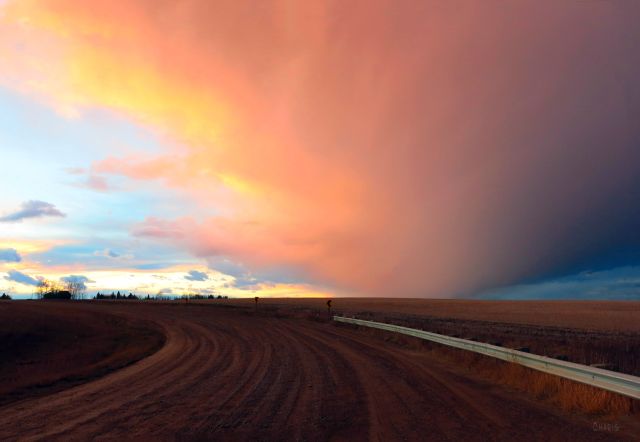
“Who is this in royal robes,
marching in his great strength?
“It is I, the Lord, announcing your salvation!
It is I, the Lord, who has the power to save!
(from Isaiah 63)
On the morning before the slaughter in Paris, while I was still asleep, I heard a voice. It woke me.
“42! 63!”
This has happened before, so I asked, “Psalm 42?”
“Isaiah 42.”
I looked it up. It’s starts with a prophecy about the Messiah, his character, his role, his manner and his purpose.
I looked up Isaiah 63. It has a similar theme of a Father who fights evil on behalf of his children.
Both passages end with a description of His sorrow when the people he desired to save turned to their own methods, even other gods, instead of calling on Him and responding to Him. In Isaiah’s time He left them to their own devices for a while, but continued to call out to them over and over through his prophets.
Many times in history God’s people have prayed crying “‘Anah!” to Him. “Hear us! Respond to us!” (A discussion of the word ‘anah here.)
Many times in history Yhwh has prayed to his beloved, “‘Anah!” “Hear Me! Respond to me!”
For a few days I didn’t understand why he would direct my attention to these passages. Since then I have seen many responses to the triumph of evil in Paris and Kenya and Syria and many other places in the world. Love them all! Kill them all!
Can we just admit that if there was a sure-fire method of solving this situation without exacerbating horrible actions or being captured by the evil spirits behind it ourselves, that it would have been done by now? We have lost our innocence about both the nobility of armed conflict and the consequences of doing nothing when we hear the cries of victims of evil aggression.
In our own family, this very week, we are still fighting World War II. My mother-in-law barely escaped death or an internment camp as a young teenager when her family’s home in Rangoon, Burma was bombed by the invading Japanese. Their savings were in that house. They lost everything and fled on the last military transport to India. Now, as her short-term memory loss requires us to take measures to protect her she feels like her own family is confiscating her savings and threatening her freedom by sending her to an old person internment camp. (She refuses to live with us.) In her mind history is repeating -or perhaps the war has never ended- and that which she feared most has come upon her.
I remember my mom describing the beatings she and her brothers suffered on the way home from school as ethnic Germans living in Canada during the war. No one took the time to understand that they were running from both the Russians and the Germans. No one noticed that their older brother was fighting for the Canadian army in the Netherlands. When Hitler’s troops arrived in my grandfather’s village they killed 1/3 of the population in one day. Stalin had already killed my grandmother’s family. I see the Syrian refugees fleeing violence as unjust as the pogroms of Russia a century ago also being met with rejection from all sides.
Some of our extended family were still in Germany when the battle lines were drawn up. Let me tell you no one hated Hitler more than a German boy drafted to the Russian front! But if you were Ukrainian like my husband’s grandparents and saw a German boy in a tank coming toward you, it was not a good time to offer hospitality. It is not easy to love your enemy and love your children at the same time. We desperately need wisdom and discernment.
I am a grandchild of refugees who still lives with the consequences of war. I am so grateful that Canada took my family in! I am grateful Canada heard the cries of the victims of injustice and made room for them. I am grateful that many were willing to lay down their lives to fight injustice. Now I am even more grateful to those, like the intercessor Rees Howells, who fought the war on their knees. We will never know this side of heaven how much intercessors, those who war in the heavenlies, did to bring peace.
Now it is time for those who hear his voice to respond.
What am I saying? History has proven that our methods of solving problems like ISIS are horribly inadequate. I have heard people say, after they have tried everything they can think of to save themselves in threatening circumstances, “Well, all we can do now is pray.”
I hear my heavenly Father say, “Make Me your first response! It is I, the Lord! It is I, who has the power to save!”
“Look at my servant, whom I strengthen.
He is my chosen one, who pleases me.
I have put my Spirit upon him.
He will bring justice to the nations.
He will not shout
or raise his voice in public.
He will not crush the weakest reed
or put out a flickering candle.
He will bring justice to all who have been wronged.
He will not falter or lose heart
until justice prevails throughout the earth.
Even distant lands beyond the sea will wait for his instruction.”
(from Isaiah 42)
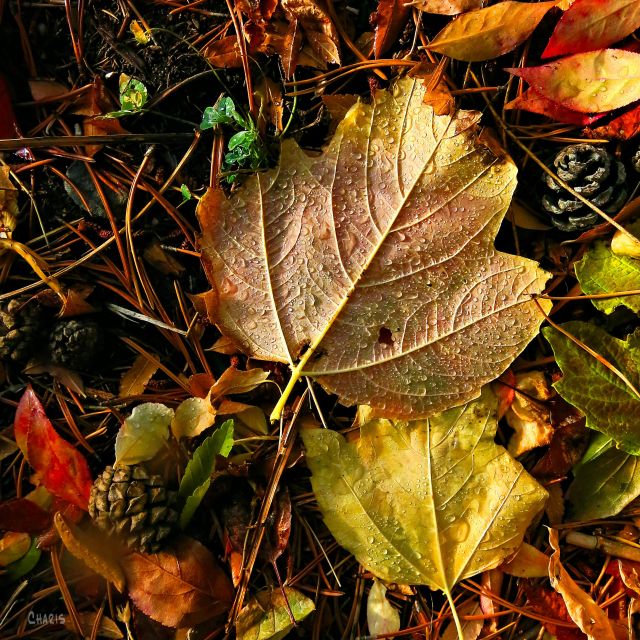
Never give your hearts to this world or to any of the things in it. A man cannot love the Father and love the world at the same time. For the whole world-system, based as it is on men’s primitive desires, their greedy ambitions and the glamour of all that they think splendid, is not derived from the Father at all, but from the world itself. The world and all its passionate desires will one day disappear. But the man who is following God’s will is part of the permanent and cannot die. (1 John 2:15-17)

“You can never be the same after the unveiling of a truth.”
– Oswald Chambers
I once met a couple who moved to this valley just after a mid-winter temperature inversion settled in and swathed the mountains in clouds for three long weeks. It looked no different from any other cold grey town in Canada. Then one crisp morning the sun cleared the peaks and clouds blew away like wisps of melancholy lacking any foothold in truth.
The couple were astonished that they had been surrounded by enormous snow-covered blue mountains the whole time. The mountains were no less real while they were still veiled, but up until the young man and his bride got a glimpse they wondered what people were talking about when they went on about how beautiful they were.
We can listen to people talk about the beauty and goodness of God, and nod politely. Perhaps we even believe that the love of Jesus Christ exists somewhere, even though we’ve never experienced it ourselves.
But when we see with our own eyes, we can never be the same.


 Charis: Subject to Change