
No one has ever accused me of being overly meticulous when it comes to housework. In fact one day I was telling my adult daughter about how, when I was a kid, we used to sit in the station wagon packed with camping equipment waiting up to two hours for mom to wash her way out of the house (because she couldn’t stand the thought of someone seeing anything but a spotless house should she die suddenly and not return from the trip.)
My daughter said, “Mom, if your house is spotless after you die we’ll know for sure someone was tampering with the evidence.”
That’s probably true. But since my house has yet to express gratitude or show any signs of willingness to improve without my constant intervention I do what is necessary and then go get a life.
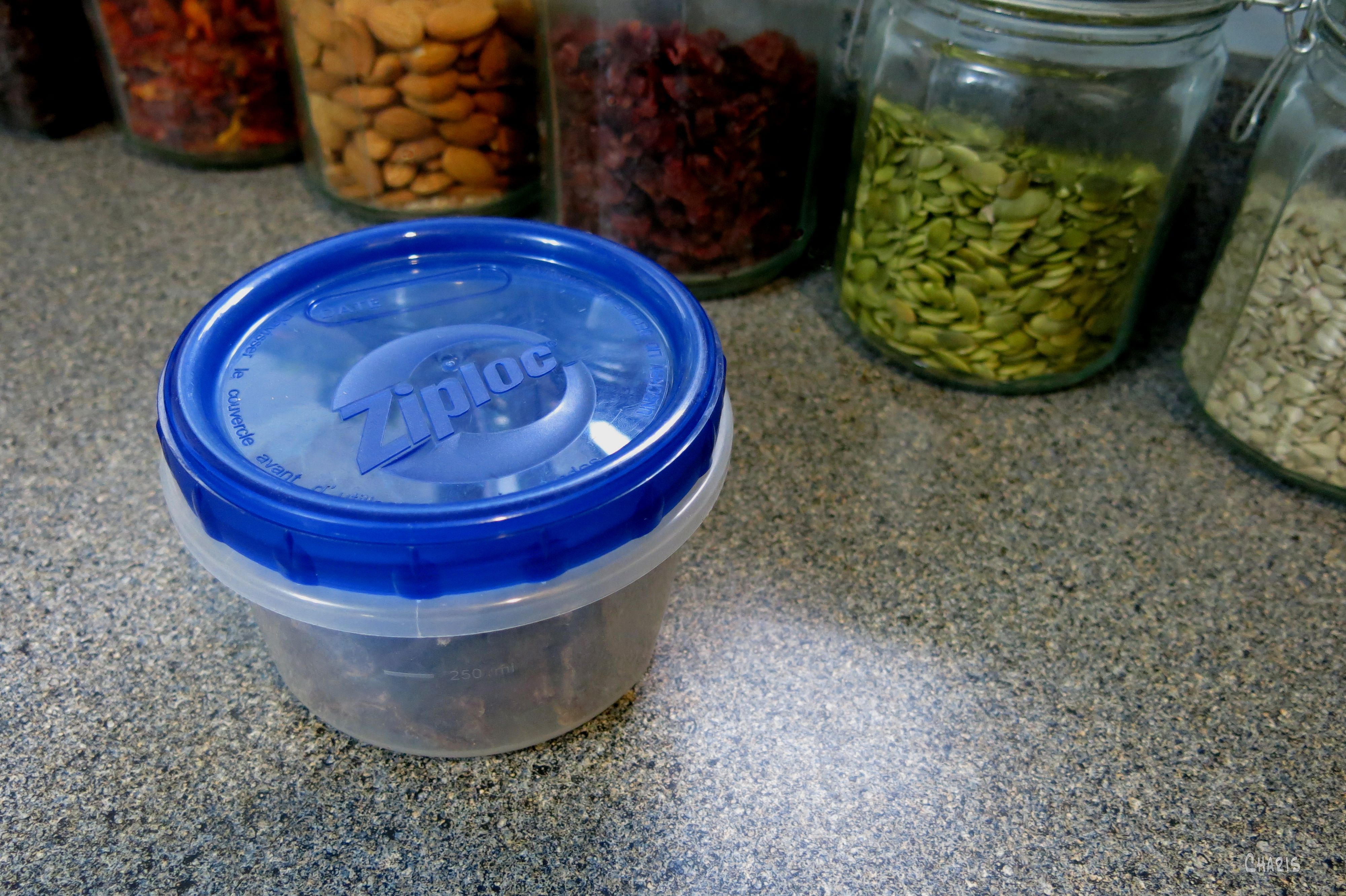
There are times, however, when lack of attention to detail is definitely a fault. Can I admit fear of the unknown when it comes to plastic storage container caskets of leftover food in the back of the fridge? Sometimes I don’t want to know what’s in there.
“Mom, I think the mystery meat is talking to itself. It seems to be alive,” said my son, “It’s expanding. What is this substance?” he asked gingerly prying off the lid.
My rule is, “If you can’t identify it, don’t eat it.” Seems simple enough.
“Whew!” he exclaimed when the scent of the offensive substance reached his nose. “Sorry, Ma. I’ve gotta throw the whole thing out,” and he tossed the entire container in the garbage can.
I was thinking today (anything to avoid housework) about substance. The Bible says in Hebrews 11:1 that faith is the substance (hypostasis) of things hoped for, the evidence of things not seen.
Hmmm… Could it be that unbelief is not merely a lack of faith but also a substance itself, an offensive substance, the evidence of disappointing things seen (or smelled)?
A young man told me about a vision he had driving toward a city on the prairies. He said it was so real he had to ask his wife to grab the wheel. What he described (as nearly as I recall) was something like this: He saw a dull golden coloured metal dome over the city. In the center was a hole with something like incense or smoke or a ray of hazy light rising up through the hole. Then he saw objects, some of them wrapped in lovely paper, some of them with bows, some of them too big for decoration, coming down from the sky and landing on top of the dome but not going through it.
He said he understood the smoke/ray going up to represent prayer and the things coming down to be answers to those prayers but this dome was stopping them from reaching the place where people lived. I asked him if the dome was brass coloured. He said it could have been.
“Have you ever heard people say that when they pray it feels like the heavens are made of brass and God doesn’t answer them?” It clicked with him.
Today I wonder if that brass ceiling is made up of the substance of unbelief. I wonder if unbelief can clog the pipes, block off God’s still small voice, or rust the valves shut against his goodness. I wonder if unbelief is more than a dearth of faith, but almost like an entity that stands in opposition to faith.
One time when Jesus was in Nazareth he apparently did few miracles there “because of their unbelief.”
And they took offense at him. But Jesus said to them, “A prophet is not without honor except in his hometown and in his own household.” And he did not do many mighty works there, because of their unbelief. (Matthew 13:57, 58)

I’ve always wondered about that. If Jesus was God could he simply not blast through the unbelief and give the townsfolk an I’ll-show-them? Could it be that it is not a merely lack of faith that hindered what he wanted to do, but this thing unbelief, this substance, this entity, that somehow kept people from receiving what he wanted to give them? What they saw was not the Messiah, but the carpenter’s son from the ‘hood. Could unbelief be the substance of things seen by mere physical eyes –things which caused them to take offense that he would have the audacity to think he was better than them and work miracles?

I was also wondering why giving thanks and worshiping is so strongly connected to prayer.
Do not be anxious about anything, but in everything by prayer and supplication with thanksgiving let your requests be made known to God. (Philippians 4:6 for example)
Before this year of challenges the Lord spoke to me a lot about not being hard-hearted as at Meribah (when the children of Israel tested God in the wilderness.) They forgot what he had done for them. They complained and neglected to give thanks for the fact that he miraculously supplied daily bread (manna) and that their clothes and shoes never wore out.
They felt entitled. Then they felt offended.
There is a connection between unbelief and being hard-hearted and unable to receive. Afterward he appeared to the eleven themselves as they were reclining at table, and he rebuked them for their unbelief and hardness of heart, because they had not believed those who saw him after he had risen. (Mark 16:14)
We are just now learning that when our son-in-love was critically ill the people who had the most problem praying for him, and who admit they never phoned or talked to his wife because they “knew” he was bleeding out and was going to die, were some of the medical professionals amongst friends and family. They were too familiar with the evidence seen and had watched this scenario play out too many times before. It must be very hard for them to get up and go to work everyday when they live with so many sad stories of disappointment and loss. It must be difficult for them not to steel themselves against all that pain. But some prayed anyway, telling God, “I believe. Help me with my unbelief.”
And God was good –so good. Our son-in-love is in excellent health, back at work, back playing with his children, and praising the Lord for his infinite mercy. Our daughter continues to teach us why thankfulness is essential in prayer. The evidence of her faith in the unseen is now seen –the glory of God made manifest- in her beloved partner’s restored body and her restored family and restored faith for so many who joined in prayer for him.
(Can I just say another thank You, thank You, thank You, Lord!!! here?)
We are taught in our culture to make choices from a list of evidence-based options, but we tend to forget the evidence of every-day provision of God. Lack of gratitude leads to a sense of entitlement. Thankfulness makes us take our eyes off the lack of water in the desert and reminds us that the God who parted the sea and gives us bread and shoes will surely supply all our needs. He got us this far. It’s obviously not his desire for us to shrivel up and blow away now. When freely and joyfully we give thanks (and sometimes for answers to others people’s prayers before we have seen our own answered) I think it starts to break down that steely hardness of heart. When we are offended a tough layer of unbelief goes back up between us and God’s goodness again.
When we tell God stories (testimonies) and thank God and remind each other how He rescued us from the last cliff-hanger, when we remember his goodness, we remember and recognize blessings – evidence of the unseen. When we praise God we focus on Him and his nature. Could this be the faith that shatters the brass ceiling of unbelief and allows the answers to prayer piling up there to start to drop on our heads? Could this be what helps to unclog the gunk-jammed pipes that keeps His goodness from flowing into our lives?
I wonder if our Western naturalistic worldview, the one that tells us that God doesn’t intervene, that miracles don’t happen (or at least not anymore) and that there must be an explanation for the unexplained somewhere – even when a miracle is dropped in our lap – I wonder if this creates a brass ceiling over our country. I wonder if years of rehearsing the stories of our disappointments and unforgiven injustices allows the substance of unbelief to molder away and grow into a a foul-smelling entity like the mystery meat in the fridge. I wonder if it clogs the pipes that would bring fresh water of revival? I wonder if it’s like rust that keeps the valves shut tight and unable to receive the flow of the Holy Spirit?
I wonder if the massive prayer effort on behalf of one ordinary man in a small city hospital in Canada was a gift to us to demonstrate the type of corporate effort of prayer with thanksgiving it takes to break through large-scale unbelief?
It seems to me the more impossible a situation looks, the more we need to make the effort to give thanks for everything we can think of. I wonder if instead of pooling our unbelief, we put our tiny portions of faith together and pray, giving thanks for everything –I mean absolutely everything- that the Lord has blessed us with…
At the end of the young man’s vision, he saw the dome crack, then break, and all the good things piled up there start to fall on the city. Breakthrough.
I wonder if prayer with thanksgiving might bring down that offensive substance that forms brass ceilings and open the floodgates of heaven.
I wonder.











 Charis: Subject to Change