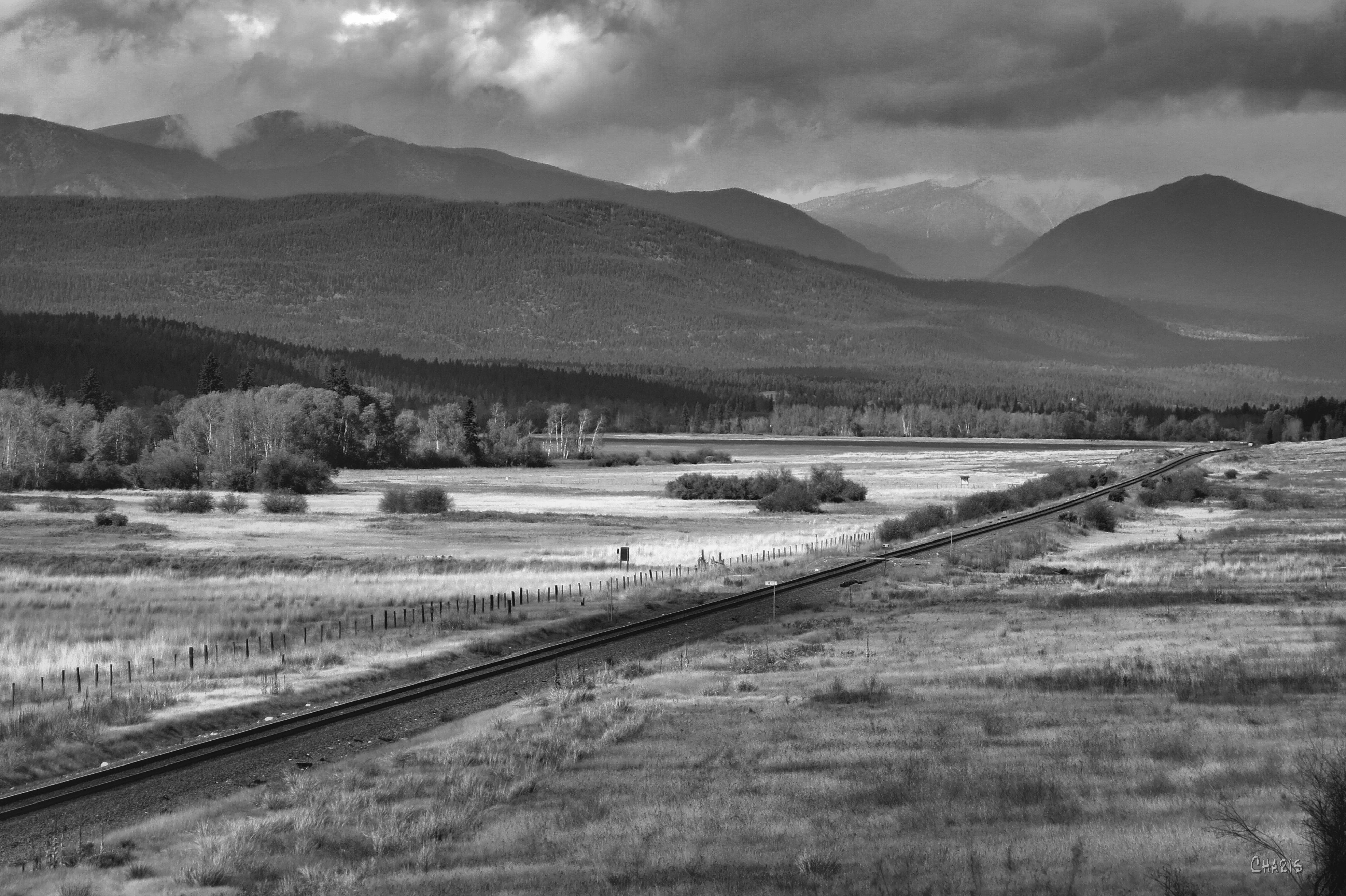
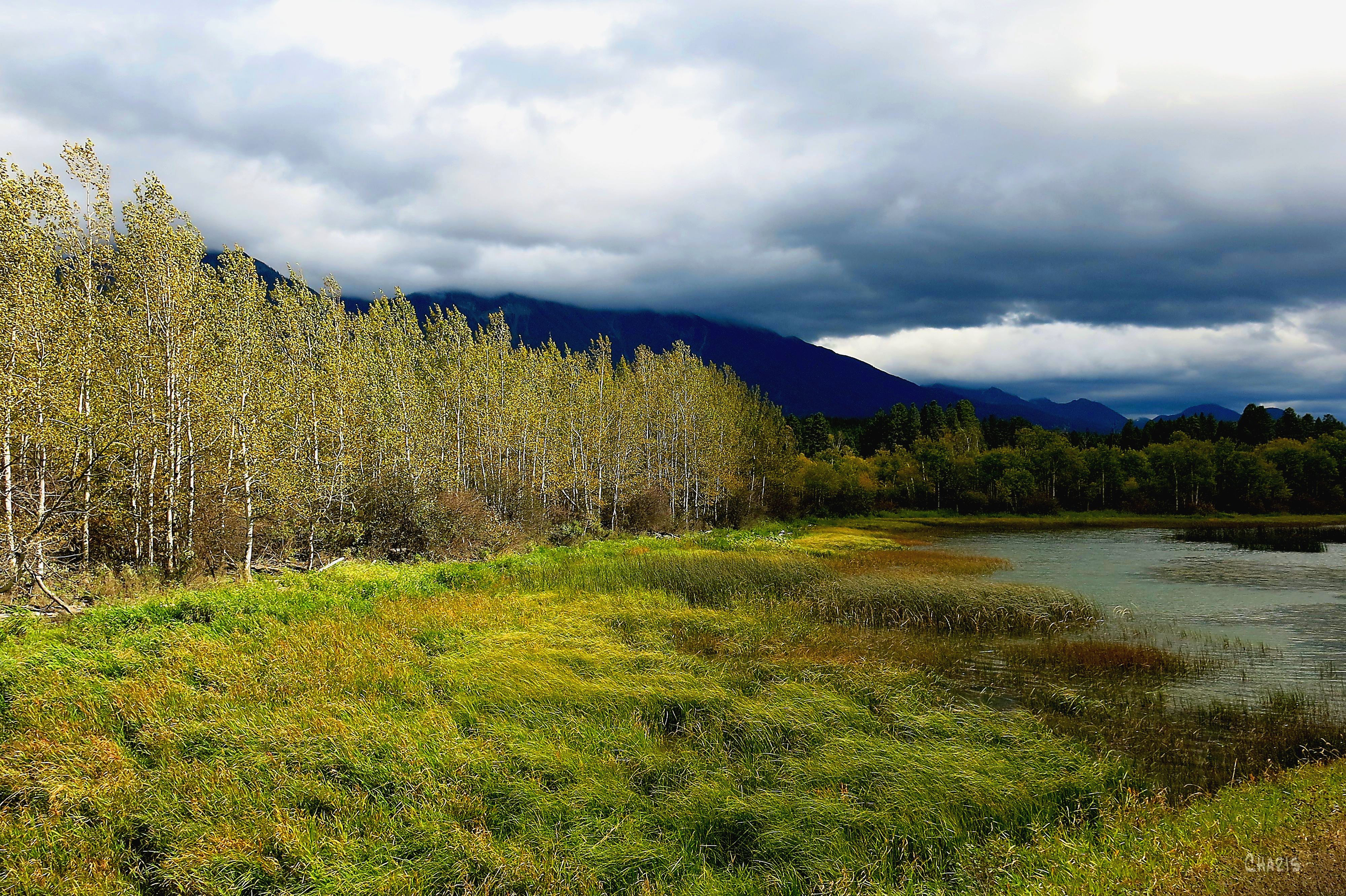
High River, Alberta is still under a cloud. It may not be the same dark heavy rain cloud that dumped more water than the Highwood River could hold on that horrible day in June, but it’s a cloud. And even though there is light on the horizon, for many people living with the consequences of the first day of summer disaster, it is still dark and heavy. The children will tell you.
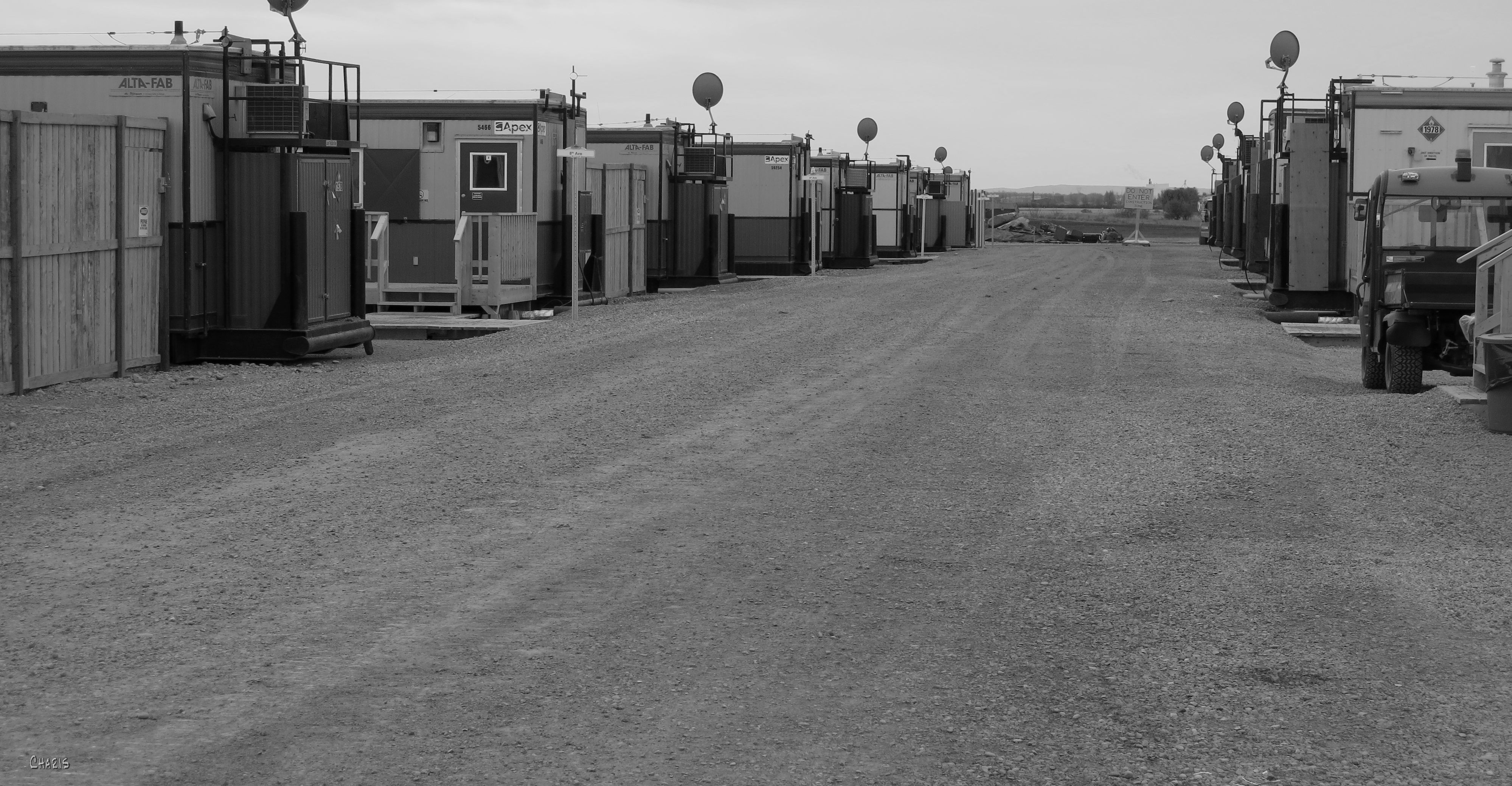
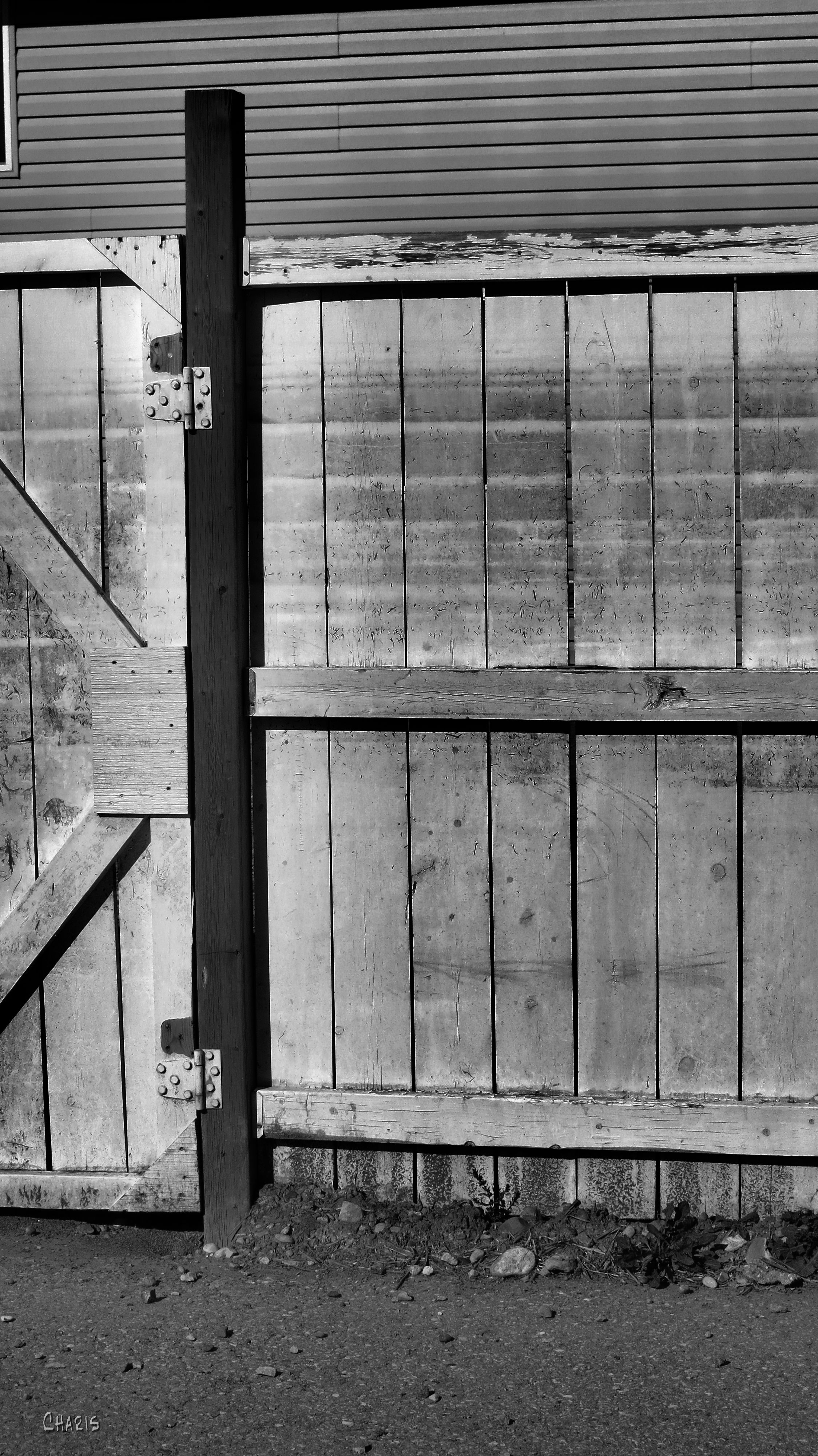
I stayed in Saddlebrook camp this week, caring for my grandchildren while their parents were away on business. Saddlebrook is the trailer town out in the country on the road to Okotoks built to house those whose homes are not habitable. There are many kind, encouraging, generous people there –especially in the food service areas (residents are not permitted to use the unconnected stoves). Visitors to the camp are strongly discouraged, but as a substitute parent I was permitted to stay (after paper work and getting photo I.D.) The government has generously provided housing to those still affected by the flood, but due to logistics problems there are often a lot of rules and regulations that communicate a big brother/victim disparity in such situations. (I’ve noticed that when people who already feel a loss of control are treated like incapable victims, they start to act like helpless victims –and angry victims need someone to blame. Just sayin’.)
I cannot possibly understand what it is like to suddenly lose everything but the mortgage. I don’t really know what it is like to wait, fill out forms, and wait some more and still not have answers. All I can do is listen –and pray.
I listened to where-were-you-when stories. I listened to you-think-that’s-bad stories. I listened to survivor guilt stories from folks who didn’t have much damage. I listened to a job list a mile long from an exhausted young father who sat on the front steps of his broken house, too tired to put one foot in front of the other anymore. There is so much to do in his “spare time” before winter.



I listened to a young mother who longed to correct her children in private when they misbehaved at the dinner table in the café at Saddlebrook. “Don’t misunderstand. I’m very grateful,” she said. “The food is good, but it is not what I would choose to make for my toddlers. I just want to go home and cook for my family again. It’s hard to explain.”
Someone told me, “People have been really kind and have wanted to give us things, but we have nowhere to put them. And I sound awful and l hate myself for it, but I don’t want your stuff! I want my stuff! I liked my stuff! I want my baby pictures. I want my Grandma’s teapot. I want my old music. I want to go home!”
I think my granddaughter expressed it best when she was telling me about children on the school bus arguing over who was most deserving of sympathy: the ones who lost everything, the ones who knew people who died, the ones who lost their school and still don’t have classrooms and are trying to study en masse with other traumatized kids and teachers in a single chaotic banquet hall room without an outside play area, the ones who don’t have dads to help them fix their houses, the ones living in a fenced refugee camp with security guards checking their every move….
She stomped her foot and cried, “They don’t understand! You don’t understand! Nobody understands!” then plopped on her bottom bunk bed in the tiny “kitchen” and pulled a blanket over her head because that’s as close as she can get to running to her room and slamming the door.
She’s right. Every heart has its own sorrow. And this was definitely not the time to remind her of Syrian refugees or Pakistani Christians being blown up in their churches. She can’t understand their sorrow any better than they understand hers.
Only the heart can know its own resentment; likewise no stranger can experience its joy. (Proverbs 14:10)
I admit I feel my own rage rising and want to stomp my foot and scream every time I read another heartless online comment about “the foolishness of people who build on a flood plain and then want the government to pay for their stupidity.” Our son’s house is more than two kilometers from the river in an area that is still marked on the maps as being far outside any risk for flood. They are hard-working responsible people who checked before buying. This flood was way beyond anything a prudent planner could have predicted. The history of this country is that nearly all towns and cities are built on waterways. According to the maps millions in this country are at greater risk of flood than they were. Do we blame people for building in areas where tornadoes, or forest fires, or earthquakes, or blizzards or ice storms or tsunamis occur? I guess my heart has its sorrow too and I’ve got some forgiving to do. No, these know-it-alls don’t understand –and why should they? If a person has never faced adversity or experienced feeling out of control of their circumstances it is easy to maintain the illusion of being sufficient unto oneself. They don’t know what it is like for others –not really.
I saw signs of recovery though –like a chinook arch of clear sky rising on the horizon. People were trimming hedges and mowing lawns or raking leaves in some areas of town. Businesses were re-opening. Folks were discussing the choosing of new paint colours and flooring options for re-builds. My grandson was thrilled with a patch of grass in the camp big enough for him to practise throwing his new football. There is talk of an off-leash dog park going up nearby -somewhere near the beep beep beep sounds of backing-up earth movers.
I saw people laughing.
I saw kids showing off donated clothes and backpacks.
I saw a group of loving people whose church building was not damaged. They moved their own service to less-than-convenient early hours on Sunday to make room for others to use their building for the rest of the day.
I saw grateful tears in the eyes of an older woman as she clutched a handmade quilt my friend sent. (Rose gave a dozen of her gorgeous handcrafted quilts to the folks in High River).

“I waited until the families took what they needed,” she said. “But I’m so glad this one is still here. It’s so beautiful. You don’t know what it’s like to lose everything and have to start again at my age. It means so much to have something this nice!”
No, sweet lady, I don’t know what it’s like. But I see joy in your face and you give me hope.
I dare to believe that most of the people of High River will not only survive, but that this beautiful windy mountain-edged prairie town will thrive and remember the sorrow of this tough season without bitterness. They will also remember the joy. My prayer is that they will know what it is to need help and how to give help in a way that preserves dignity. They will use this opportunity to develop the skills that untangle red tape; they will know from experience how to plow through unwieldy bureaucracy, how to organize volunteers, how to establish a grass-roots just-folks-helping-folks attitude that can stand firm when disaster hits another Canadian town. They will know how to be grateful, thoughtful, helpful and compassionate because, unlike the nasty commentators on the sidelines, they get it. Right now they are hurting and need more time to heal, but they will rise up again.
They will rise up.
It’s people like these beautiful folks, the ones trained by adversity, who build up this country. They are the wise ones. They are the strong ones.
I believe when the dark cloud blows away, the town will see it has a purpose and a higher calling in the grand scheme of things.

High River will be a city of refuge, of peace, of caring –and of love.
He consoles us as we endure the pain and hardship of life so that we may draw from His comfort and share it with others in their own struggles. (2 Corinthians 2:4)