
“In religion, you obey because God is useful.
In Christianity, you obey because God is beautiful.”
-Timothy Keller

“In religion, you obey because God is useful.
In Christianity, you obey because God is beautiful.”
-Timothy Keller

My grandson and I cuddled on the couch watching his favourite video. I listened to the theme of Thomas the Train and watched his train friends’ adventures for what seemed like the fiftieth time. Maybe it took that many views for me to notice how many times the word “useful” was used to describe the little engines’ motivation for his adventures. He wanted to be a really useful little engine.
I remembered another conversation on the couch, with a friend this time. Her daughter, and the entire family, was suffering terribly. The girl had not told them, until her methods of coping landed her in a psychiatric hospital, that for some time she had been molested by a trusted member of their church. Like so many other victims she blamed herself and was drowning in shame.
“I try to tell her it will be okay, “ her mother whispered. “God can still use her. But that just seems to make her shut off even more.”
“Maybe ‘God can still use her’ is not the best choice of words,” I tried to explain gently. “She has already been ‘used’ and it has not turned out well.”
“I never thought of it that way,” she said. “Anyway, she knows God still loves her.”
“Does she? Right now she feels such shame she can’t even look her earthly Dad in the face. Her ability to trust authority figures has been thoroughly shaken. It’s going to take a while for her to sort out who God is and especially who God is not. We need to demonstrate to her the same kind of grace and love God does. She needs to know that she does not have to do anything to receive your love. Love and accept her just as she is, with all her dysfunction. She does not need to be an honour student, or a perfect weight, or a junior missionary with a “testimony of victory.”
As I recalled this conversation I had to ask myself, “Who is God for me now? Do I still carry vestiges of the message that I am more acceptable if I am useful?
I have never made friends easily. Acquaintances, yes. Close friends I felt safe with and in whom I could confide, not so much. There have been a few who have been tremendous blessings, but even though much improved, I still have trust issues myself. My pattern over the years was to keep friends by making myself really useful like the little train. It’s been hard to believe I could be loved otherwise. Usefulness was my insurance against rejection.
I’ve been going through a time when the Lord has asked me to set “workin’ fo’ da kingdom” aside to learn, on a deeper level, that I don’t have to earn his approval. This goes deep. It’s not about the importance of engaging in activities like teaching, or providing music, feeding the poor, or even meeting with friends to pray for various excellent ministries. It’s about motivation. Can I admit this is tough? I question this action all the time. What will people think? What is the measure of my faithfulness now?
When the son who demanded his inheritance early – and blew it all – returned to the Father, it was with a sense of shame. He thought if he made himself useful, like the other servants, he could earn a place in the household. The Father not only accepted him back without asking first for any pledge of behaving better in future, he honoured him as a son, in the stinky pig state he was in, without a two-year disciplinary period to prove he was worthy of acceptance. The son’s shame was met with unexpected honour.
That’s grace. Amazing, shocking grace. Hard to believe, hard to receive, but that is the fine robe God wraps us in when we turn to him, empty-handed.
The elder son didn’t believe it. He took off in a huff. The Father went out to him and assured him that he had access to everything in the house, but jealousy kept him from sharing the Father’s joy. The eldest demanded to know how anyone who was not useful could be a part of this family.
When people first come into the household of faith they come as orphans, grateful for food and shelter. They long for, but don’t really expect – or know how to handle – the Father’s affection. They focus on learning the rules in the orphanage, lest they do something to offend and face rejection.
Some people, longing for friendship with God, move on to become voluntary servants, hoping to secure a place by becoming essential workers and ingratiating themselves with the Father’s favour. One of the signs that they see themselves as servants and not sons is competition and flare-ups of jealousy toward others.
A son, however, knows he is held in the Father’s embrace by nothing more than the Father’s love. He learns, just by remaining there, that bond of love is so strong he can feel the Father’s heartbeat. Not until a sense of shame and unworthiness is washed away by a flood of grace upon grace can he afford to extend that same love to others.
We can try to use God to supply our wants. We can try to earn his approval by being used by God. But we don’t realize that we are sons of God until we come humbly as orphans and bond servants and discover, much to our surprise, that He simply loves us because He loves us, because He loves us, because He loves us…
Then we find joy and fulfillment in being who he made us to be – His workmanship, created for great things, partners in the Father’s plan.
For from his fullness we have all received grace upon grace. (John 1:16 ESV)

Faith is the refusal to panic.
-Martyn Lloyd-Jones
This photo is “enhanced.” The foreground in the original was a mess. Debris lay in a heap in an empty field after the land was cleared. Shadow muted colour. That was one reality. I decided to create a reflection of the upper part of the photo by flipping it and adding it to the bottom. That is another reality. You can see the photo with your own eyes.
Quite often we do the opposite; we define the kingdom of God by projecting our mess onto it. We drag the corners of our disappointment into the future.

I think we begin to see heaven when we pray the Lord’s prayer, “Thy kingdom come, Thy will be done on earth as it is in heaven.” It’s not about denial; it’s about possibilities. It’s about sanctified imagination. It’s about hope.

Yesterday was the perfect day to drive up a logging road to see the larch trees in their golden glory. They turn later than the other trees in the valley. My friend and I were so overwhelmed by the beauty that surrounded us we stood on the road and shouted thanks to the Creator of this beauty. We drove through the woods, up a mountain side and across streams and rivers, down into deeply shaded valleys, up into the sun and were surprised at every turn by more beauty. It was a great day.

I feel a sort of desperate need lately to get outside and soak up as much colour and warmth as time will allow. It’s not just living in the moment; it’s trying to capture the memory of that moment to carry into dark days as a reminder that springtime and harvest will return. The season is so fleeting. Most of the poplars down by the lake that were so brilliantly coloured a couple of weeks ago stand bare now, their brown curled leaves returned to the ground in preparation for the next season. The snow and cold grey days of winter will soon be here.

I am struck by a passage I read in Psalm 146 this week about princes, in all their temporary glory, returning to the ground. “Do not put your trust in princes, in human beings, who cannot save. When their spirit departs, they return to the ground;on that very day their plans come to nothing.”
We need “princes” – prime ministers, presidents, loyal opposition and houses of representatives. They are important administrators. But I wonder if so much of the panicky fear-based rhetoric of the past few weeks is based on the idea that princes can actually save us from all the potentially scary situations in our lives. I wonder if we have placed unrealistic expectations upon mere mortals, hoping they, with all their glowing publicity, will be something they cannot sustain.
If all we have to trust in is politicians and the wisdom of voters easily influenced by media of dubious integrity, no wonder so many people are upset and worried.
Maybe there is more. Maybe our trust can be in more than princes, who like the trees spring up and fall down. Maybe we can rely on the permanent Rock who is our refuge.

Praise the Lord.
Praise the Lord, my soul.
I will praise the Lord all my life;
I will sing praise to my God as long as I live.
Do not put your trust in princes,
in human beings, who cannot save.
When their spirit departs, they return to the ground;
on that very day their plans come to nothing.
Blessed are those whose help is the God of Jacob,
whose hope is in the Lord their God.
He is the Maker of heaven and earth,
the sea, and everything in them—
he remains faithful forever.
He upholds the cause of the oppressed
and gives food to the hungry.
The Lord sets prisoners free,
the Lord gives sight to the blind,
the Lord lifts up those who are bowed down,
the Lord loves the righteous.
The Lord watches over the foreigner
and sustains the fatherless and the widow,
but he frustrates the ways of the wicked.
The Lord reigns forever,
your God, O Zion, for all generations.
Praise the Lord.

“… the Lord showed me the reason I didn’t think He answered my prayers. It was simply because I was not thankful when He did. Without an attitude of thanksgiving, those memories were lost to me.”
– Lara Merz in While He Lay Dying
Sitting on the shore of a little lake at the base of a mountain in the Rockies I count my blessings and thank God for answered prayers for this land. Such a wealth of beauty in its landscape and in its people!
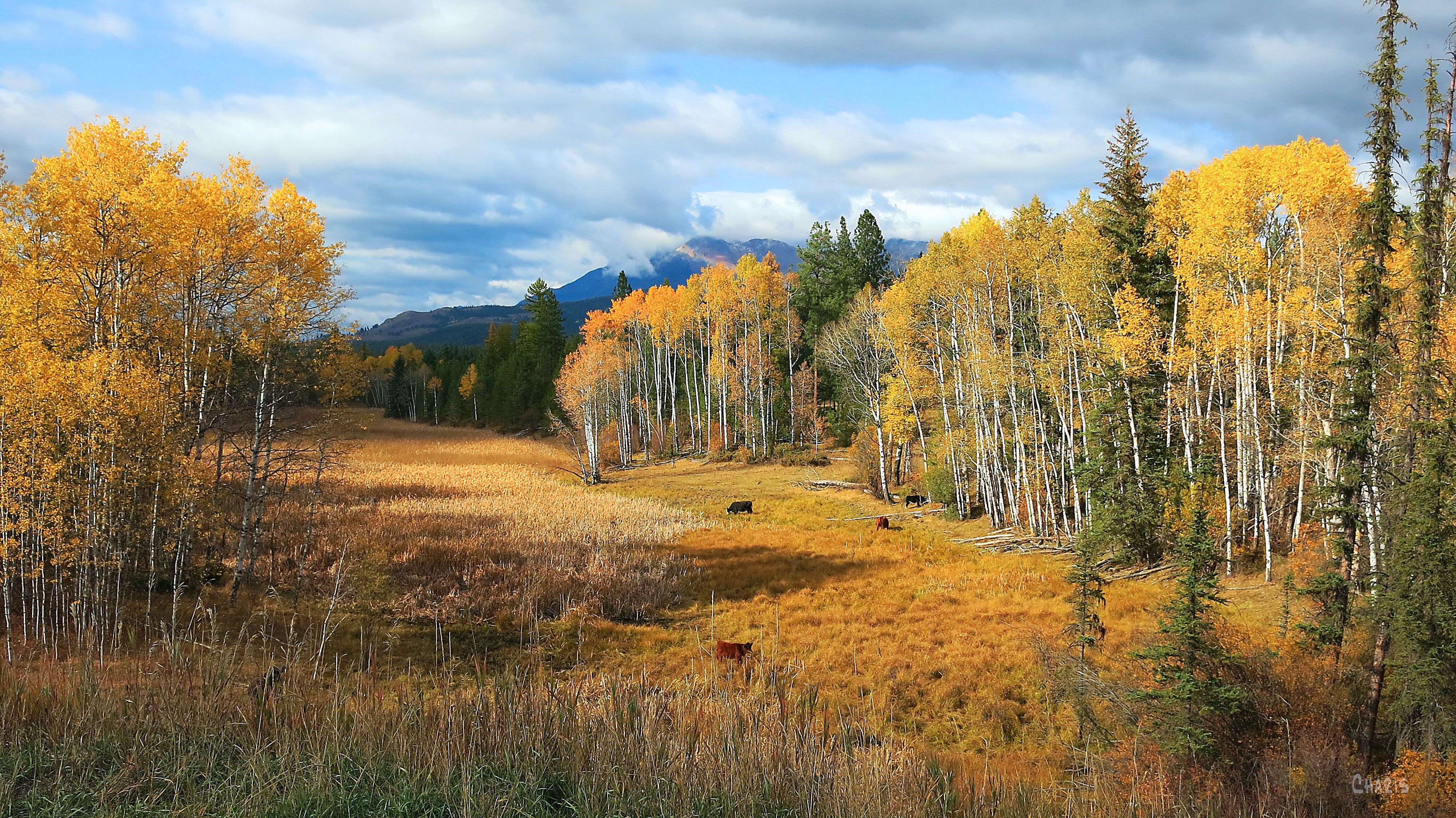
Election day in Canada is almost here. You know, this one feels different from all the other elections I have voted in. It’s been downright nasty. I have seen more personal attacks on people running for office, and those who support them, than I can remember in previous elections. There seems to be more polarization, more angry people disagreeing on social media and in public places. I wonder how long it will take to heal after the signs come down.
As a response I would like to say this: THANK YOU!

Thank you to all you hard-working people who are brave enough to stand on a platform and smile while people interrupt or shout at you or ask questions that are not really questions.

Thank you to the workers who help with campaigns and who set up secure voting sites.

Thank you to all the people who have served faithfully in public office in this land, at all levels, no matter what their party affiliations.

Thank you for the hours spent in boring meetings, for making phone calls to help people caught in crisis, for negotiating both peace and prosperity with other nations, for protecting our rights to live by our conscience and beliefs, for being willing to live far from friends and families to represent your constituency, for being vulnerable in front of cameras, for working for the welfare and safety of all your constituents.
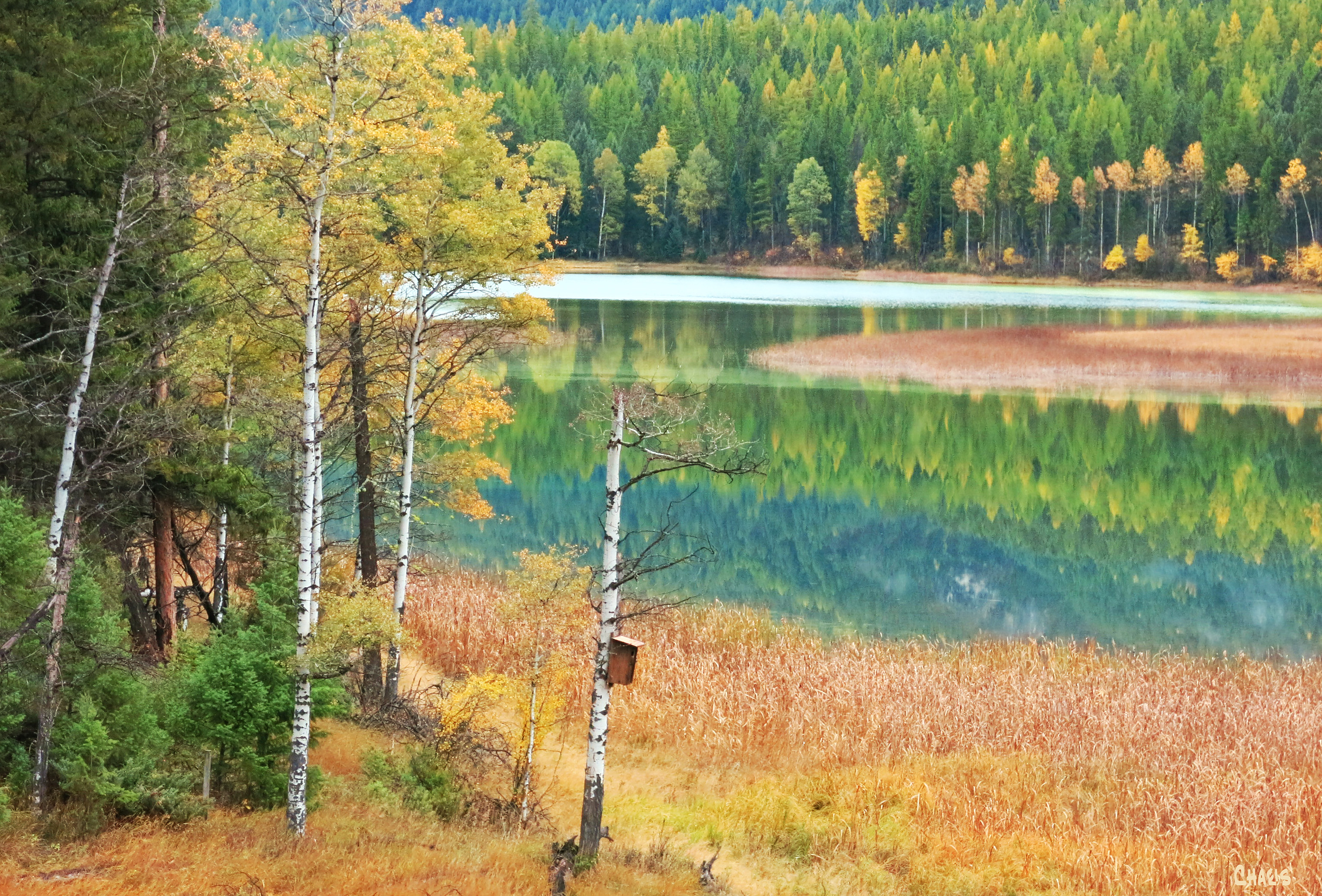
Thank you for honouring our heritage by encouraging us to maintain the best parts of our cultures.

Thank you for loving my country as much as I do.

And to all the people who will be elected to parliament next week I say God bless you. My prayers are for you, not against you, that you will have vision for a peaceful, caring, unified, prosperous nation that works together to build an even better country for generations to follow.

I thank you and honour you for your willingness to serve.

God keep our land glorious and free.

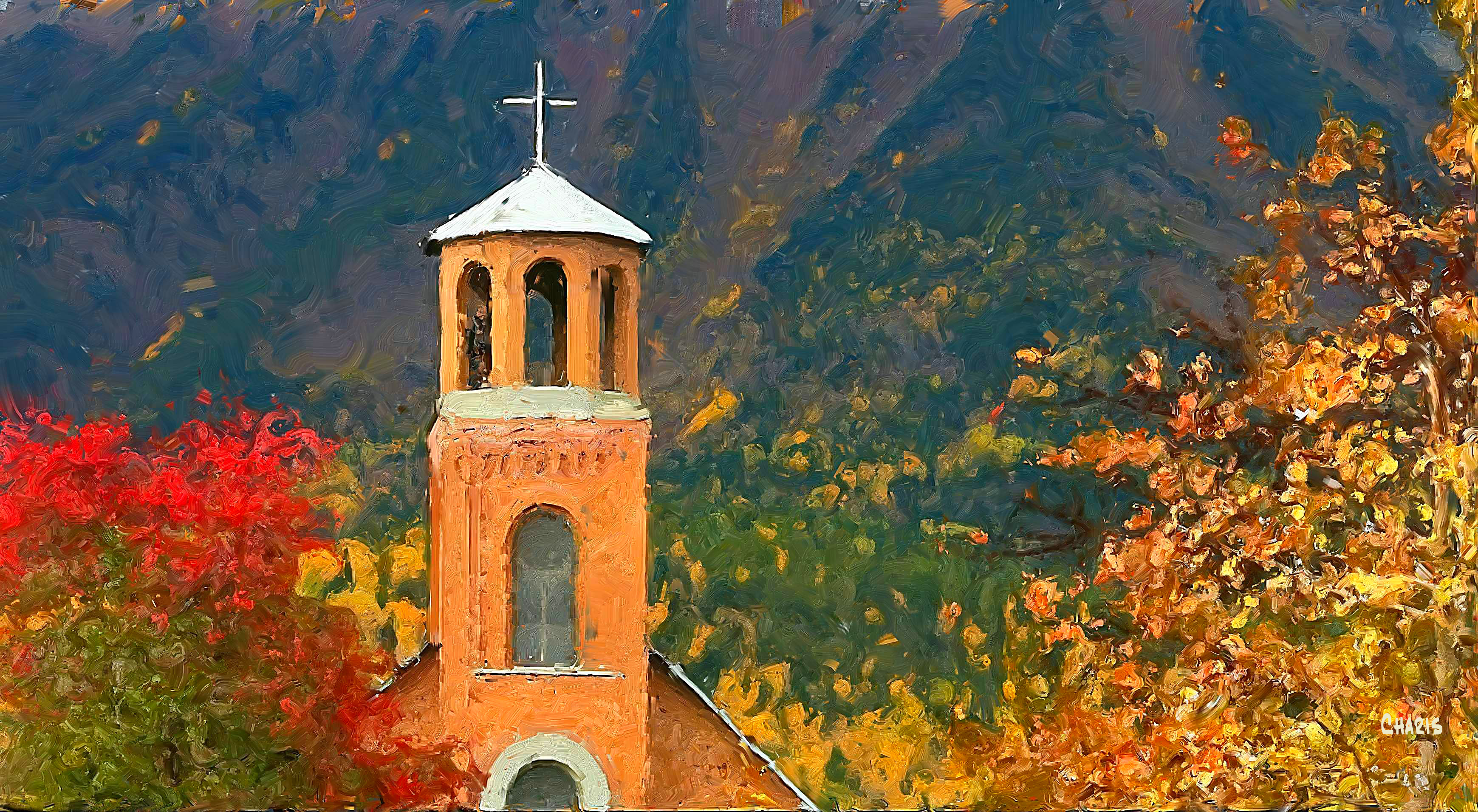
I’ve been watching brightly coloured leaves from the trees in my garden rain down in front of my window. As the breeze catches them and sends them sailing through the air it reminds me of pictures of the ticker tape parades in the streets of New York after a great victory. The flash of gold and orange and red leaves in the air suddenly reminded me of a dream I had.
In this dream a man who taught me how to be aware of the many ways God communicates joined me. He stood behind me, put his hands on my back by my waist, and started propelling me forward. I felt like I was a few inches above the ground traveling quite quickly. He pushed me toward a run-down drinking establishment on a downtown street. I assumed we were going there to minister to the people inside. That was fine with me. But we just popped in for a minute. He said hi and the people all waved and shouted back to him like he was a favourite in this place.
He kept pushing me. We left the bar and moved up a hill toward a large cathedral. This surprised me because I thought he was the sort of person who would reject religious trappings to do the kind of things Jesus did with the poor and marginalized.
“Where are we going?” I asked.
“I want to show you something,” he said.
We went into the cathedral through a side door. Light streamed down into the building from high clerestory windows. The scene amazed me. The air was full of glitter and gold streamers and sparkling jewels and even balloons. The people wore all sorts of clothing from every Christian expression from brocade robes to English white choirboy ruffles to modest plain clothing with head covering to jeans and t-shirts. I saw many shiny instruments: trumpets, a pipe organ, guitars, harps, tambourines…
They were all focused on praising God. There was a sense of overwhelming joy and they worshiped with everything they had. Some danced, some waved flags, some gazed upwards and quietly prayed, some marched in a procession, some waved incense, some knelt, some lay prostrate, but all were lost in wonder and praise. There was no self-consciousness. But they all sang one song.
My companion was very happy. He raised his hands and gave glory to the Father. Then I realized he was no longer just my friend. He was the Lord Jesus himself – and this was a temple of praise. Then the people there recognized him too and the cheers grew even louder. The very atoms in the atmosphere seemed more alive!
I woke up.
This week I read two great blogs. One by Sarah Bessey talked about regaining the freedom to worship in the style she had grown up with (Go ahead, wave your flag), and the other, by Adrian Warnock, was an older blog (I Don’t Want Balance; I Want It All) about not wanting to reject expressions and understandings in order to gain “balance,” but wanting it all. As I remembered this dream that’s the sense I had too. No single mode of worship is adequate, no single denomination’s doctrine can contain every facet of the immensity of God. No single institution is without human error as long as humans are trying to run it. All are in need of purification – some more than others, but we need not reject everything after we find something that misses the mark. We especially need to honour the the truths others before us have discovered, and especially the things others do better than ourselves.
I’ve been struggling with understanding what church is, what unity is. Division in the body of Christ breaks my heart. My problem is not so much settling on which local church to join as it is deciding which ones I will reject if I cling to only a single form of expression. Each “church,” even a home-based church, seems to be isolated from others by self-protective berms of forms or constitutions or habits. I’ve been pretty discouraged by how far the institutional church has strayed from the simple, beautiful words of Christ. I think the greatest mission field in North America is amongst those who have experienced manipulative spiritual abuse at the hands of personal power-seekers in “Christian” churches. “A brother offended is harder to be won than a strong tower.” I’ve been ready for God to toss the whole thing out and start entirely new. This dream shocked me and confronted my judgmental attitude.
I think this is what the dream was telling me: It’s not about doing church “right” or even doing the works we were created to do right. It’s not about how, or where, or when. It’s not about even about what. It’s about WHO.
Unity of the spirit is about losing ourselves in the wonder of Majesty. The Holy Spirit propels us to center our focus on Christ, and Christ ushers us into the presence of Father God. When the strings of our heart respond to the same frequency by singing the same song heaven is singing we come into alignment with his heart. We drop every thought of competition, every need to work to prove we are worthy of God’s approval – that Dad likes us best. We can each express our love and adoration in different ways. His Majesty charges the atoms that give us life.
When we lose ourselves in Him we are one in the Spirit.
We are one in the Lord.

Summer and winter and springtime and harvest,
Sun, moon, and stars in their courses above;
Join with all nature in manifold witness,
To Thy great faithfulness, mercy, and love.

Great is Thy faithfulness!
Great is Thy faithfulness!
Morning by morning new mercies I see
All I have needed Thy hand hath provided
Great is Thy faithfulness, Lord unto me!
(from Great is Thy Faithfulness by Thomas Chisholm)





 Charis: Subject to Change