
“You know, I can’t think of a prophet worth a damn that didn’t suffer. And I also can’t think of a prophet… that God didn’t love.”
–Character Stanford Wedeck in TV series Flash Forward

“You know, I can’t think of a prophet worth a damn that didn’t suffer. And I also can’t think of a prophet… that God didn’t love.”
–Character Stanford Wedeck in TV series Flash Forward

Sometimes the bride of Christ looks more bedraggled than glorious. Sometimes she looks like she got all dressed up only to be caught in a rainstorm on her way to the church.

We have a covered deck on the back of our house that allows me to sit outside when it rains. As I sat there this weekend, surrounded by a sudden downpour, and contemplated how getting glimpses of the glory of God makes the reality that we all fall short of that glory all the more disappointing, I wondered if God tires of us. Then this song began to play in my head:
Listen to the pouring rain, listen to it pour,
And with every drop of rain you know I love you more.
Call my name right out loud
I can hear above the clouds
And I’m here among the puddles,
You and I together huddle.
Listen to the pouring rain, listen to the rain.
God spoke these encouraging words to his people through the prophet Jeremiah, ““I have loved you with an everlasting love— out of faithfulness I have drawn you close.”
Listen to the pouring rain and know that even in our bedraggled state he loves us.





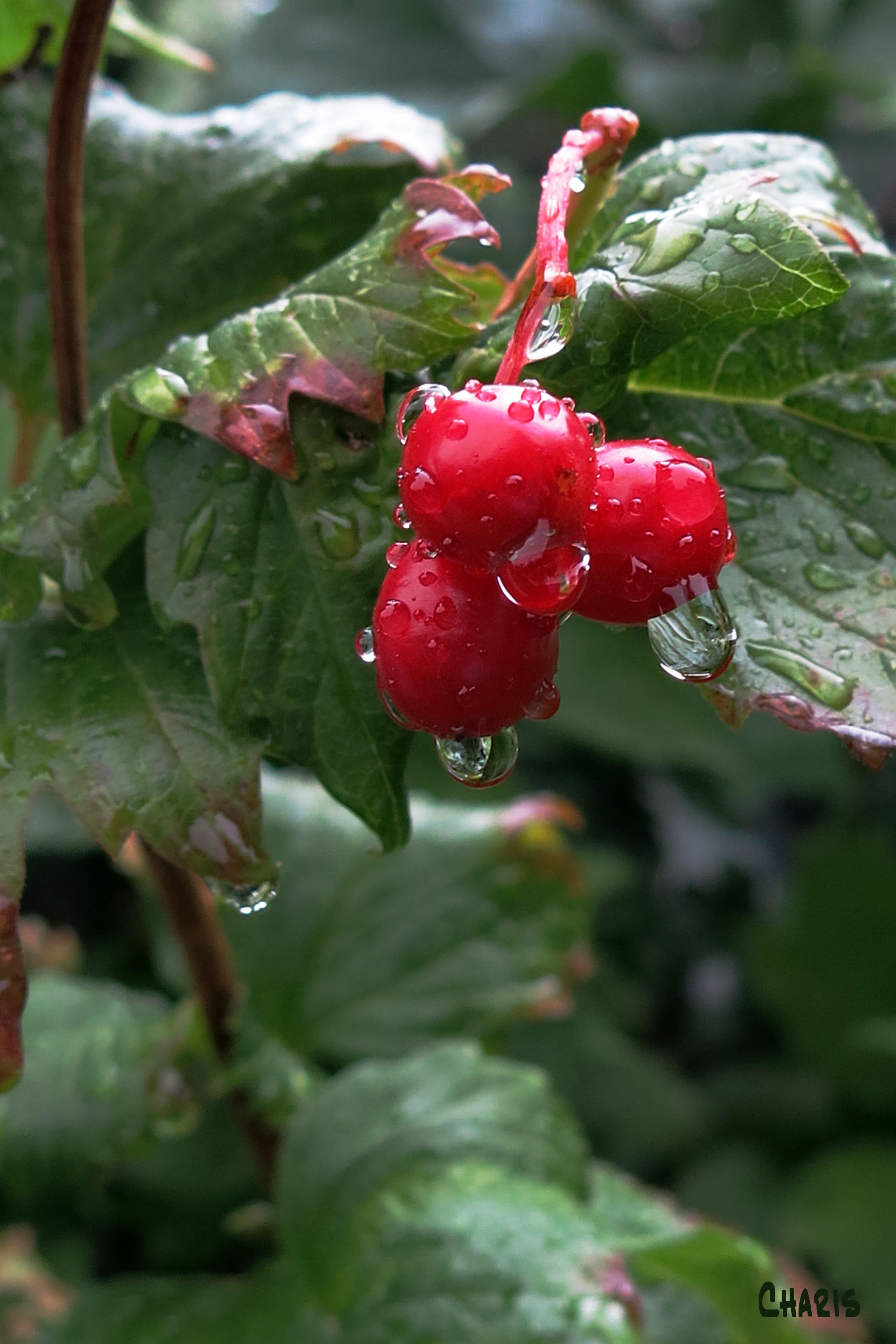

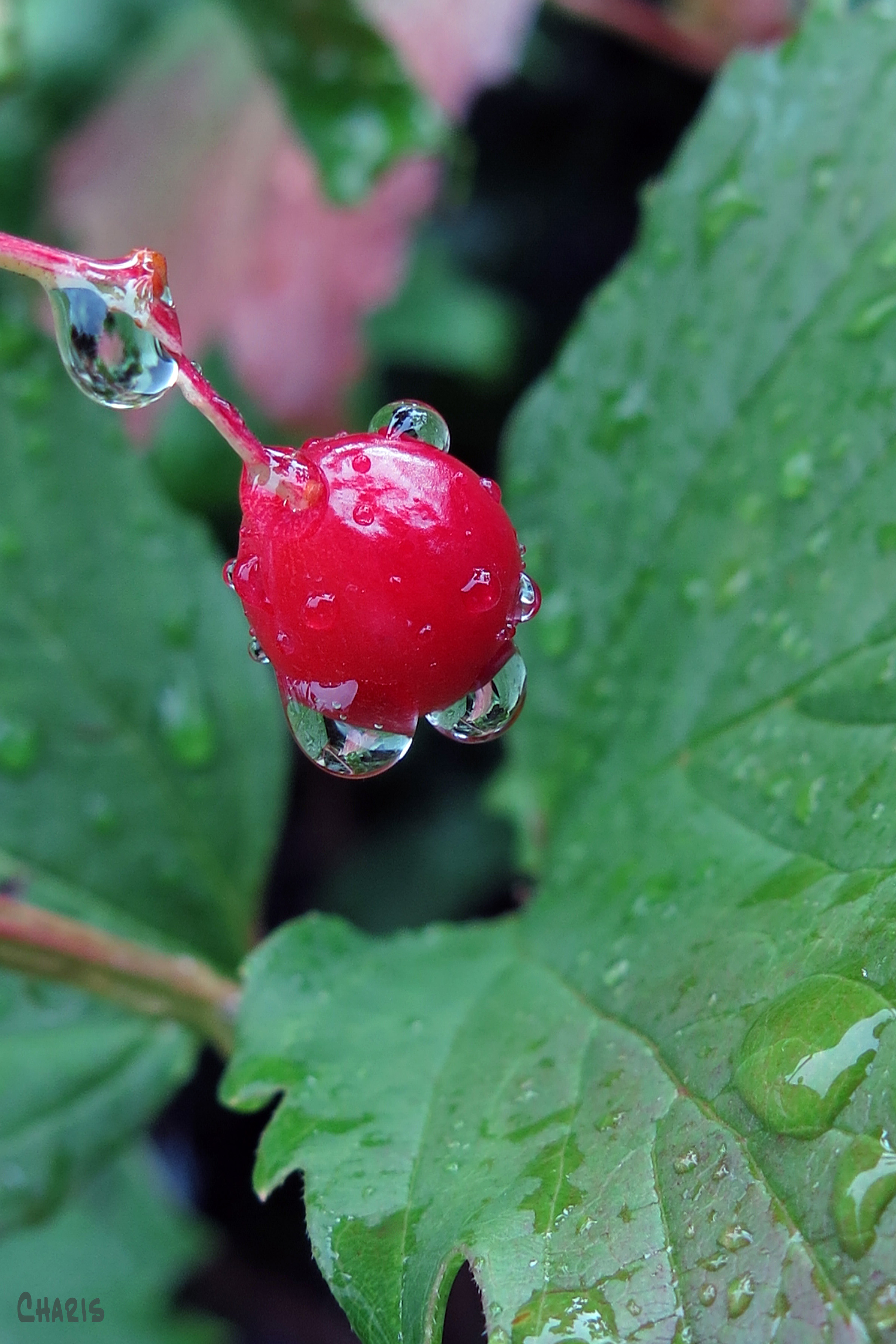
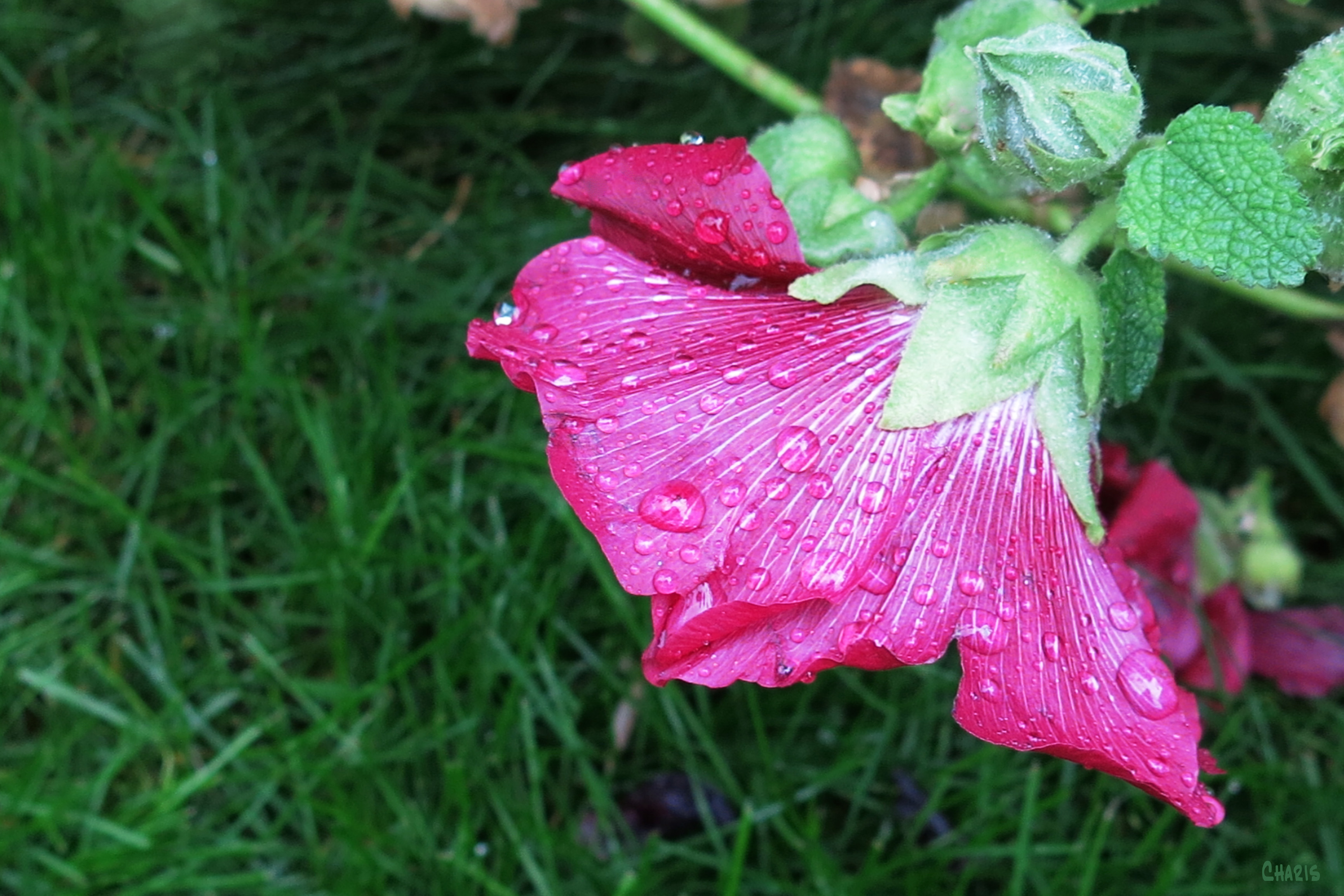


Jesus said, “I will build my church and the gates of hell shall not prevail against it.”
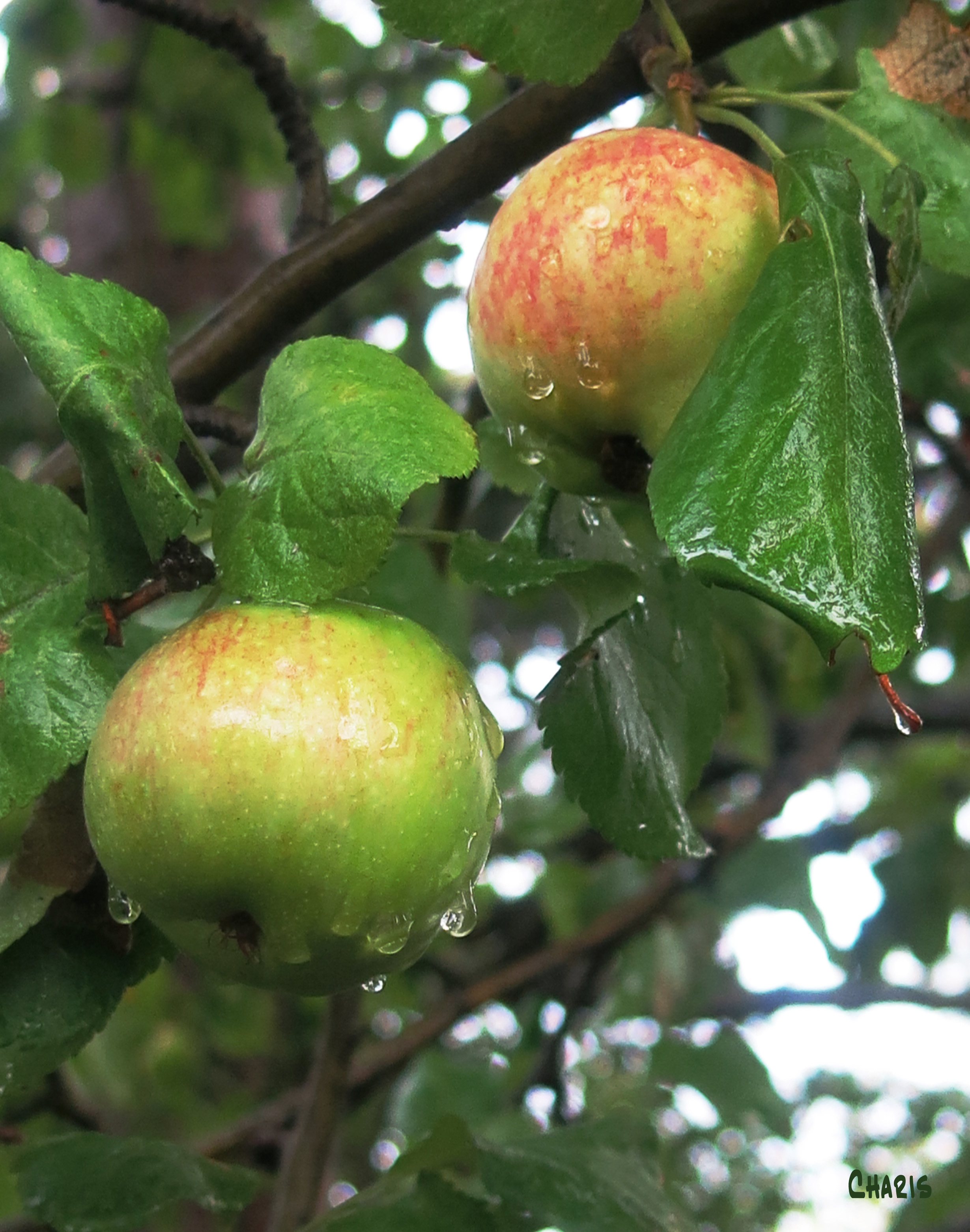
I call your Name right out loud, “Abba! Thank you for Your love! Help us keep our eyes on You! Heal your people, oh Lord, that we may bear fruit that would be pleasing to You! Make us a glorious bride!”

Who is wise and understanding among you? By his good conduct let him show his works in the meekness of wisdom. But if you have bitter jealousy and selfish ambition in your hearts, do not boast and be false to the truth. This is not the wisdom that comes down from above, but is earthly, unspiritual, demonic. For where jealousy and selfish ambition exist, there will be disorder and every vile practice. But the wisdom from above is first pure, then peaceable, gentle, open to reason, full of mercy and good fruits, impartial and sincere. And a harvest of righteousness is sown in peace by those who make peace. (James 3: 13-18)

For I will pour water on him who is thirsty,
And floods on the dry ground;
I will pour My Spirit on your descendants,
And My blessing on your offspring
(Isaiah 44:3)
Our son and his wife and their two children moved into temporary housing this week. They now have a place of their own after being homeless all summer when their house (along with thousands of others) was flooded in Alberta. It’s a cramped two room trailer in a new neighbourhood of identical cramped trailers and a far cry from what they had, but they are thankful.
The children are back to school. Our granddaughter’s school yard is full of portable classrooms as it is also accommodating students who no longer have their own school buildings. One of those buildings was the beautiful new Catholic school, Holy Spirit Academy.
“We have to make room for Holy Spirit now,” she told me.
Indeed we do, sweetheart.
Jesus answered and said to her, “If you knew the gift of God, and who it is who says to you, ‘Give Me a drink,’ you would have asked Him, and He would have given you living water.”
The woman said to Him, “Sir, You have nothing to draw with, and the well is deep. Where then do You get that living water? Are You greater than our father Jacob, who gave us the well, and drank from it himself, as well as his sons and his livestock?”
Jesus answered and said to her, “Whoever drinks of this water will thirst again, but whoever drinks of the water that I shall give him will never thirst. But the water that I shall give him will become in him a fountain of water springing up into everlasting life.” (John 4:10-14)

I wait for the Lord,
my whole being waits,
and in his word
I put my hope.
(Psalm 130:5)
I often wondered what “Be angry and do not sin,” meant. I hate feeling angry. I don’t like me when I’m angry. But sometimes rage just rises up and I don’t know what to do with it.
Sometimes anger flares up over seemingly trivial things, and I’m embarrassed by it. It’s like some poor soul accidentally stepped on a buried land mine from a forgotten war. I thought I had dealt with that, but I guess there was still something nasty there.
Anger is a secondary emotion. Anger is like a shockingly annoying siren screaming that something is wrong. A shameful weakness or secret is about to be exposed, or somebody is demanding something I don’t want to part with, or something is removing my ability to choose how I will spend my time or resources. Sometimes the anger looks like righteous indignation on behalf of another person, often a child, but that’s because an incident triggers a memory of past hurts when no one seemed to notice or care about me either.
Anger can be an agent of grace when it signals an area that is still infected and still needs healing. Anger is an agent of grace when it motivates change for the better. It’s like the engine light flashing on the dashboard of the car. We don’t always know what’s wrong, or how to fix it, but we know it needs attention.
The problem with not attending to the real issue is that after time anger begins to congeal and solidify into bitterness. Bitter people are hard people. The Bible calls them stiff-necked, because they become stubborn in their resentment. Any endeavour we embark upon that has bitterness at its root is bound to produce bitter fruit. The quality of the fruit is dependent on the quality of the seed that is sown and the type of tree that grows from that seed.
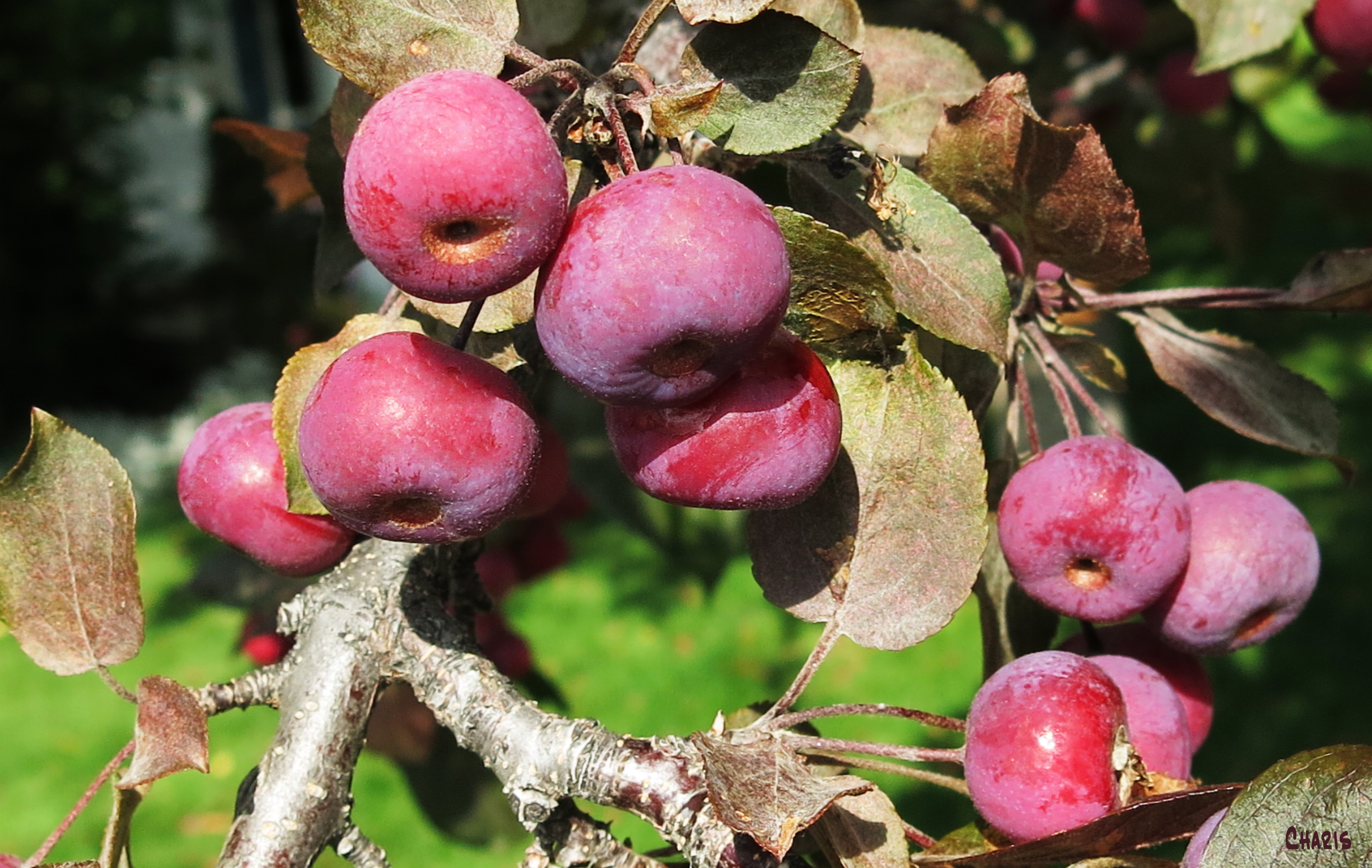
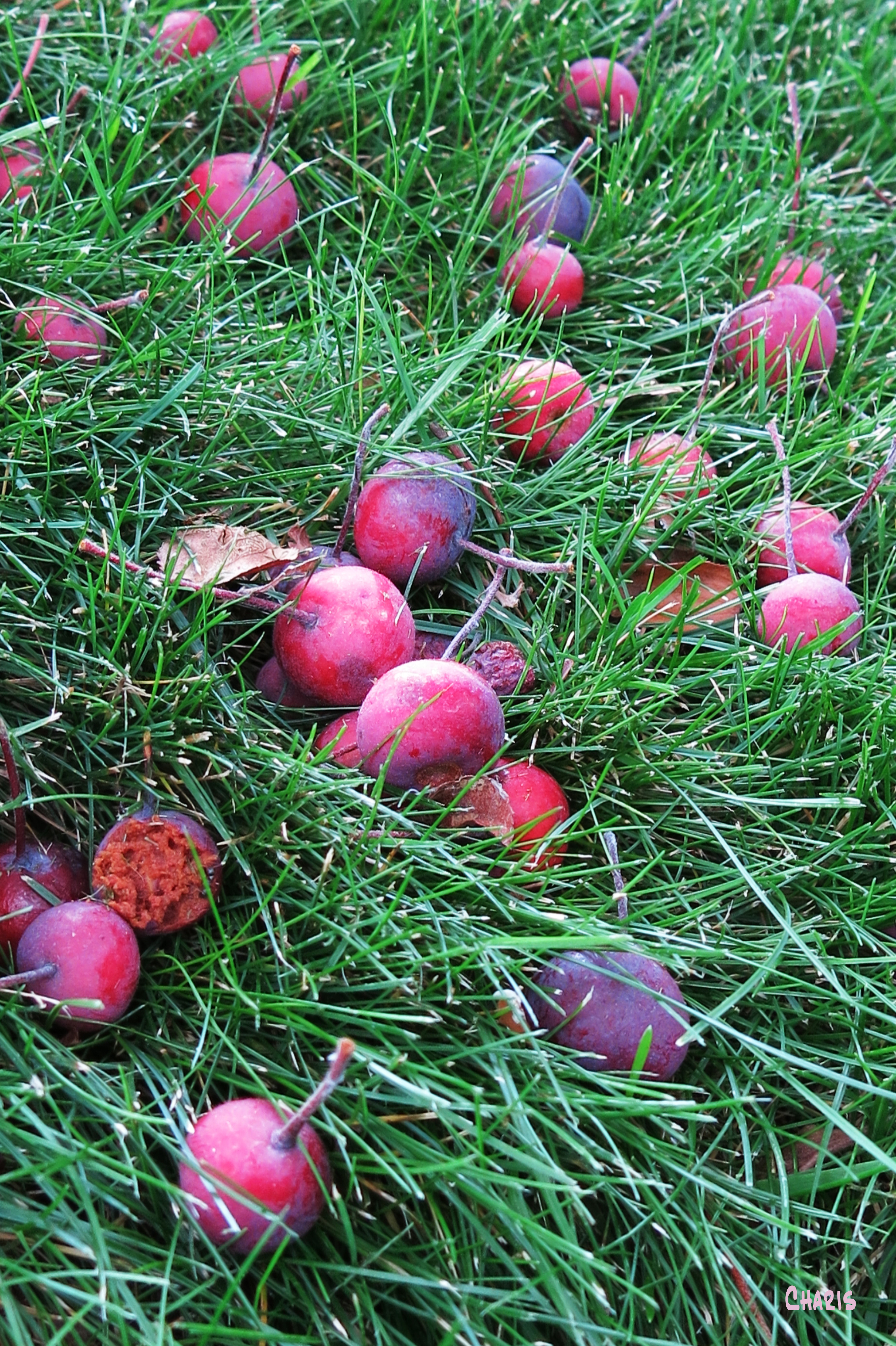
We have a tree in our garden that starts off beautifully every spring. The blossoms that completely cover this plum tree draw attention from passers-by. It looks marvelous! But this time of year it draws complaints (especially from me) as it drops its inedible fruit and attracts vermin that don’t seem to mind its bitterness. I was just out there sweeping more bitter plums as they rolled, like on-top-of-spaghetti meatballs, down the sidewalk and onto the street.
Jesus warned his disciples about false prophets who would show up like ravenous wolves. They would look good at first -just like the other harmless sheep, but eventually their true nature would become evident. He said we could identify them by their fruit.
The fruit of bitterness shows up in words, bitter words. Anger leaves room for hope of change. Many crusades for justice in the world have been triggered by anger toward an incident that causes people to unite, rise up and say, “No more!”
Bitterness says, “What do you expect? It’s always going to be this way. They have all the power and influence. I am a perpetual victim of injustice. The rich get rich and the poor get poorer. It’s hopeless and God is either impotent or complicit in the whole thing,” or, “People are not obeying the rules! They should not be getting away with this. I’ve had to obey the rules all my life and nobody has ever rewarded me for it. But that’s way it goes, I guess.”
The bitter “prophet” loves to point out what is wrong, but cannot offer hope for change. They might talk about “should” but they have a harder time talking about “how.” They cling to the deeds of the law even though they resent the law themselves. Galatians says these are some of the fruits of that thinking: enmities, strife, jealousy, outbursts of anger, disputes, dissensions, factions and envyings.”
These are the things that cause people, some of them with great reputations who have been entrenched in churches for years, to reveal ravenous aggressiveness that would devour those who live in hope of changing into the likeness of Jesus Christ. They have lots of words to offer about why something won’t work, and what’s wrong with anybody who follows God zealously and does things differently, but they have few words of encouragement that urge the next generation to stretch and to pursue a relationship with God that goes farther than we have gone or to see greater works than our generation has seen.
Sometimes it’s the very folks who tell us they are the shepherds guarding us against all possible heresy who themselves attack the sheep with harsh words, criticism, gossip, disputes and slander. (And like ravenous wolves they tend to join up in packs and go after prey bigger than themselves.)
Our words need to be full of the same grace we have received from God. We need to give people room to grow and not condemn those who are still learning and not yet perfect. We need to gently correct with a humility that comes from willingness to be transparent about our own struggles, and build up and equip those coming behind us to be greater in the kingdom than anything we have imagined. Only by letting go of our own disappointments and bitterness through forgiveness, only by entering God’s presence through gratitude and praise for all His goodness, only by letting his healing light reveal those dark corners where hidden time-bombs of shame and pain and guilty secrets still lurk -and bringing them to Jesus for healing- can we be kind, tender-hearted, encouragers full of love.
Be angry, and yet do not sin; do not let the sun go down on your anger, and do not give the devil an opportunity. He who steals must steal no longer; but rather he must labor, performing with his own hands what is good, so that he will have something to share with one who has need. Let no unwholesome word proceed from your mouth, but only such a word as is good for edification according to the need of the moment, so that it will give grace to those who hear. Do not grieve the Holy Spirit of God, by whom you were sealed for the day of redemption. Let all bitterness and wrath and anger and clamor and slander be put away from you, along with all malice. Be kind to one another, tender-hearted, forgiving each other, just as God in Christ also has forgiven you. (Ephesians 4:26-32)
Blessed Rosh HaShanah!

May all Adonai’s people have a sweet year.
May all people of the earth taste and see that the Lord is good.
Peace be upon you.

The writers of the Psalms -especially David- were not afraid of emotion. They kept it real. Maybe that’s why I like the Psalms so much. Integrity is a quality I admire.
A beloved counsellor once confronted me for saying, “I shouldn’t feel this way.”
“Feeling emotion,” he said, “is no more shameful than feeling thirst. You don’t condemn yourself for being thirsty, do you? You can decide whether the thirst is something you can tolerate until a more convenient time to get a drink, or if you need to deal with it right now. You can analyze the cause of the thirst -are my blood sugars OK, or do I need to avoid salty food before long meetings- and make adjustments to behaviours in the future, but you don’t need to deny the reality of your thirst. You certainly would not be wise to ignore it forever. Emotions are like that; you can choose your response but there is no shame in feeling.”
So much of my life I was taught that I ought to hide sorrow. “Don’t bring everybody down.” “Sparkle, sparkle, little girl. Smile!”
Now I’m not talking about grumbling, complaining and sympathy seeking. I do believe you see what you focus on. I’m just talking about keeping it real and dropping the facade that everything is fine when it is not. The writers of the Psalms did not make a practice of speaking only of good times. They didn’t turn scripture around to make it say “speaking those things that are as if they are not.” They didn’t avoid other people -or God- when all was not going well and when they didn’t have an up-to-date “glorious testimony.”
But what they did do is take their pain and sorrow and turn it into worship. They lamented. They took what they had -their suffering- and offered it as praise.
It is in moments of excruciating pain and even deep personal regret that tragic heroes of stories and stage reveal insights that give us hope in the God who can change us into more than we thought we could be. The Bible honestly reveals the weaknesses of folks who struggled with faith and obedience in adverse circumstances. The Bible includes their failures. The Bible includes laments.
Only a person living a transparent life can write:
I will say to God my Rock, “Why have You forgotten me? Why do I go mourning because of the oppression of the enemy?’ As with a breaking of my bones, my enemies approach me, while they say to me all the day long, “Where is your God?”
And only a person living honestly has the ability to offer:
Why are you cast down, O my soul? And why are you disquieted within me? Hope in God; for I shall yet praise him, the help of my countenance and my God. (Psalm 42)
His dark season did not last forever, and God restored, but Job, after all he feared came upon him, after all other possible sources of happiness had been lost, was in a position to offer the most refined, distilled, pure worship of all, “Though he slay me, yet I will trust Him.”
“Lamentation does not deny the existence of pain; it does just the opposite, in fact. It actually involves worshipping God with that sorrow. What are the circumstances of your life? Are you in the winepress of God, being crushed like a grape?…
If you are in mourning, you have the opportunity to worship in the most powerful way possible – lamentation. This worship isn’t done in order to have God remove the pain. It simply recognizes that God stands in the moment with us. Lamentation elevates God in the presence of our enemies.”
-Graham Cooke
Sometimes it is in the place of our deepest sorrow that the diamonds and rubies of true joy, formed over time under great pressure, are found.
God is good.

You are my Hope, Lord.
In You I trust,
on You I depend.
(Psalm 71:5)





 Charis: Subject to Change