Zeal

IMG_3363 yellow flowers left cool


Zeal without knowledge is disappointing.
Zeal without wisdom is damaging.
Zeal without purity is dangerous.
Zeal without love is deadly.

But zeal,
submitted to
Jesus Christ
and his knowledge,
wisdom,
purity,
and love
can change the world.

Instead

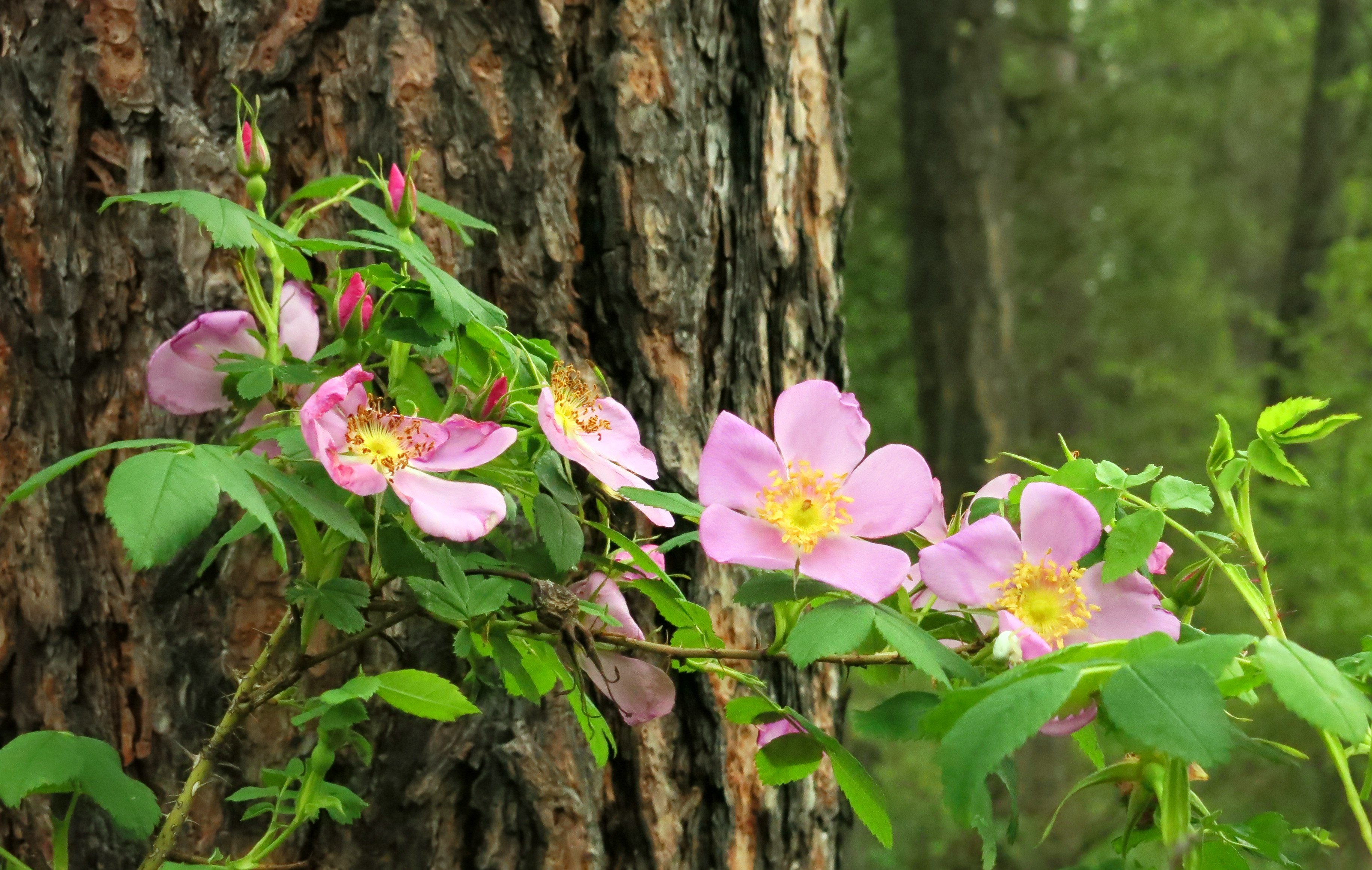
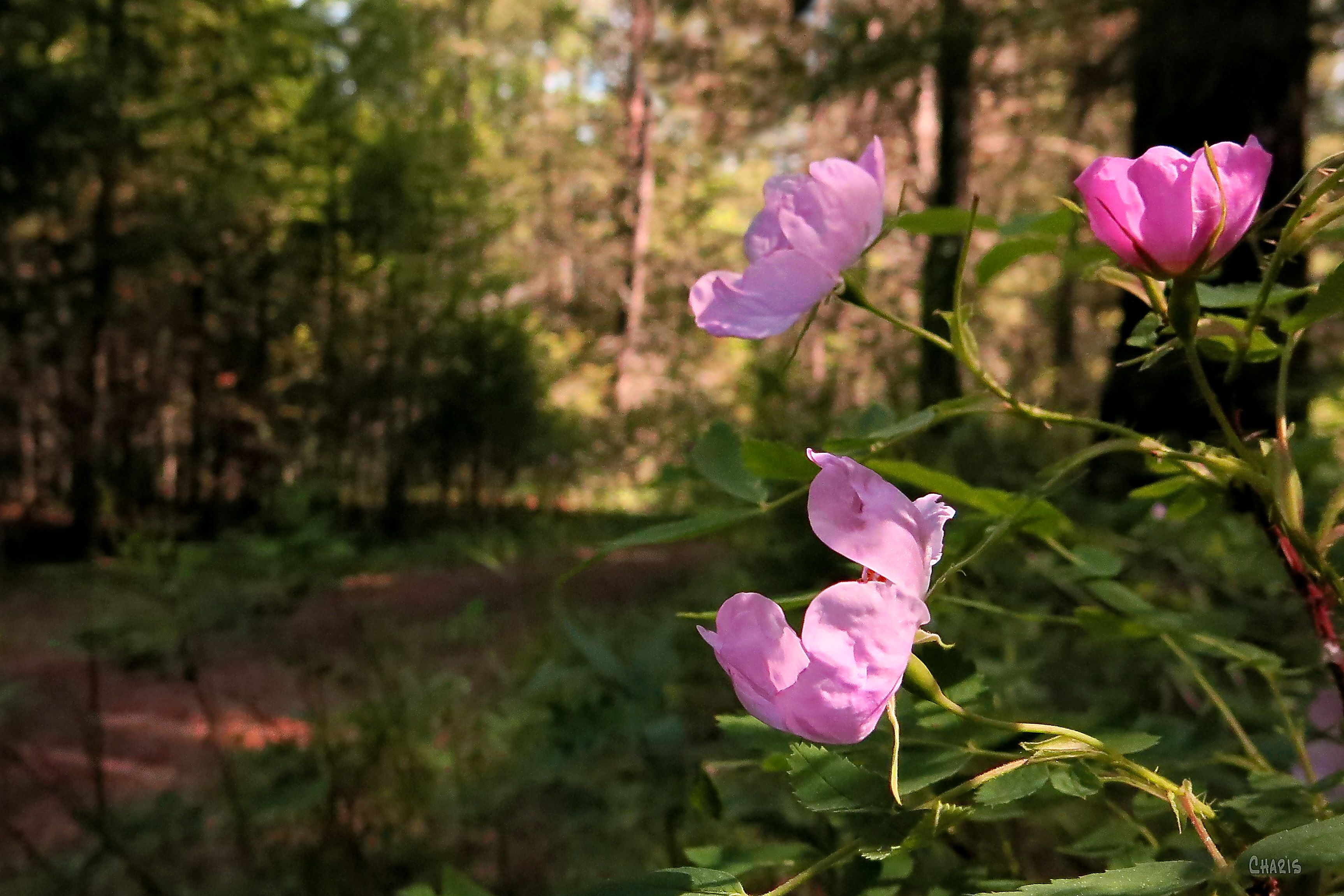
IMG_3041 wild roses woods


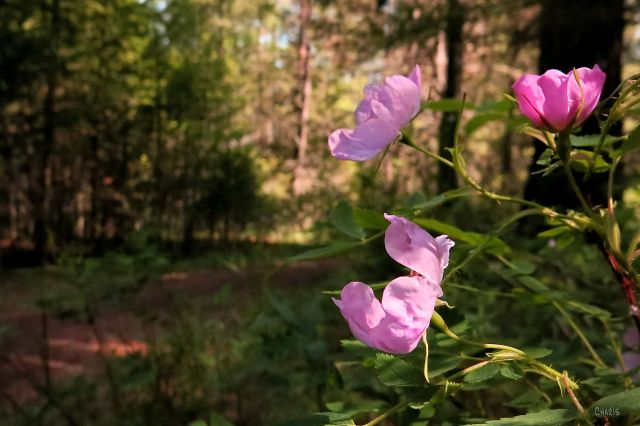
My rose bush produced one measly flower this year, yet in the forest, untended and uncoddled, the wild roses bloom freely.

Sometimes I fret and rush about trying to make things grow when and where I decide they ought to, when really I’m not in charge at all. I can’t force relationships to bloom when and where and how I want them too either.

The roses in the woods remind me that Jesus said, “Which of you by being anxious can add a single hour to this span of life?”

“Instead, seek his kingdom and all these things will be added to you.”

Why Are You So Sensitive?

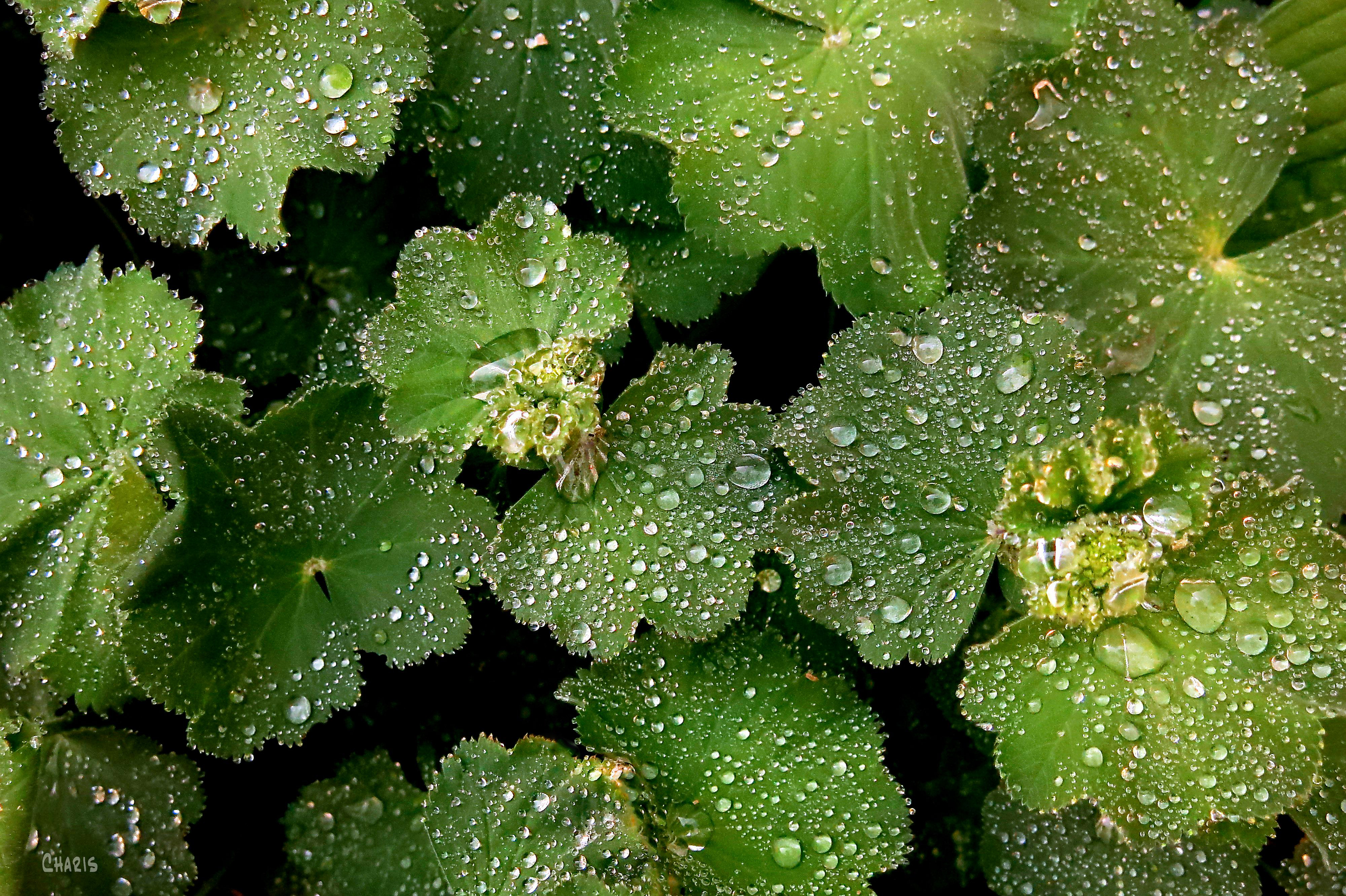
DSC_0009 leaves string rain drops ch

“One of the most beautiful ways for spiritual formation to take place is to let your insecurity lead you closer to the Lord. Natural hypersensitivity can be an asset; it makes you aware of your need to be with people and it allows you to be more willing to look at their needs.”

– Henri Nouwen

Sometimes I feel like a raw nerve ending. It’s more than being an introvert. Visual and auditory distractions seem more demanding and hurtful words seem to go deeper for me than for people who can shrug them off and get back to work with a what’s-your-problem glare of disapproval. It’s not only my own irritations that slow me down, I seem to pick up other people’s emotional stuff and without always realizing that it’s not mine. Merely sensing the atmosphere as I enter a place can make me want to scurry back from whence I came. I may not be constantly overwhelmed, but I am, at the least, perpetually whelmed.

Do you know what I mean? If so, have you ever thanked the Lord that he made you that way and for the privilege of being able to hurt deeply?

I’ve not always been happy to be a sensitive person. Sometimes – no, quite often – I run from it, or try to shut it down, or hold it at arm’s length for scientific evaluation, forgetting the promises Jesus gave of provision to meet not only my needs for consolation, but to give me the ability to comfort others and point them to the One who loves them perfectly.

Self-protection leads to self-absorption and puts distance between us and others. Jesus’ love encourages us to connect, first to him, then to others. Sensitivity makes us capable of experiencing deep joy as well. When I quit blocking out the pain I also quit blocking out the joy – and I hear the Voice of comfort I most need to hear.

It’s our weaknesses that can propel us to the Lord, and it’s his kindness that turns them into strengths.

And by his grace, I am still subject to change.

I am at peace and even take pleasure in any weaknesses, insults, hardships, persecutions, and afflictions for the sake of the Anointed because when I am at my weakest, He makes me strong. (2 Corinthians 12:11 The Voice)

Thank you, Lord.

Weeding Out the Noise

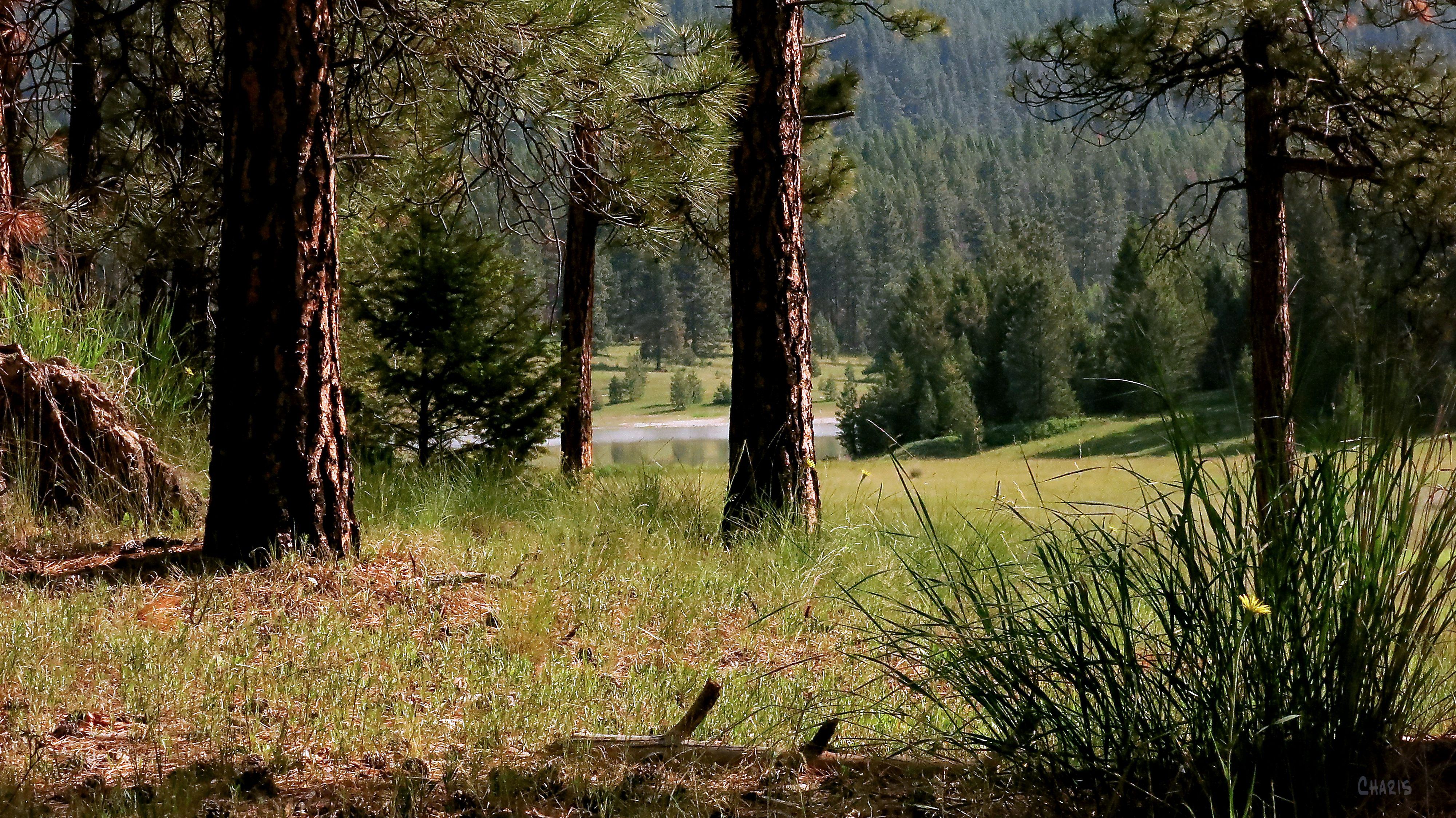
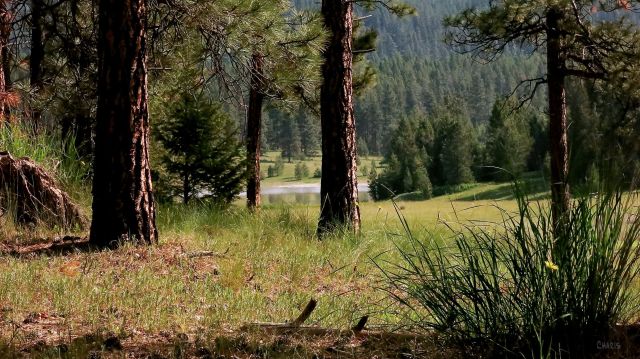
IMG_3224 forest second lake

When my anxious thoughts multiply within me, Your consolations delight my soul.

(Psalm 94:19)

I took a different path from my usual road-less-travelled route in the forest. I was talking to God about some of the many concerns on my heart, one of them being as essay I promised someone on “hearing God’s voice.” I explained to God that it’s rather embarrassing to talk about hearing his voice if I can’t hear it. I haven’t heard much from you lately, Lord, in case you haven’t noticed.

Then the thought came, “Meditate on scripture.” OK. Which scripture?
“Be still and know that I am God,” came immediately to mind.

That’s one I chose to meditate upon a few years ago – because it was short and easy to memorize. Was that thought just from me, because that verse was  familiar, or was it from God? There was no audible voice answering my question. I don’t know. This is frustrating.

My meditation didn’t last a full minute before I was back obsessing about whether or not I said the right thing, or if I remembered to pray for everyone on my list, or why so many jets from the south seem to be flying over our remote valley lately, or if I left that important prescription I can’t find in the bottom of a shopping bag, or if I got the garden planted in time and ISIS! Oh, God, your people are being slaughtered! How do I pray about this?

It can be very noisy in my head.

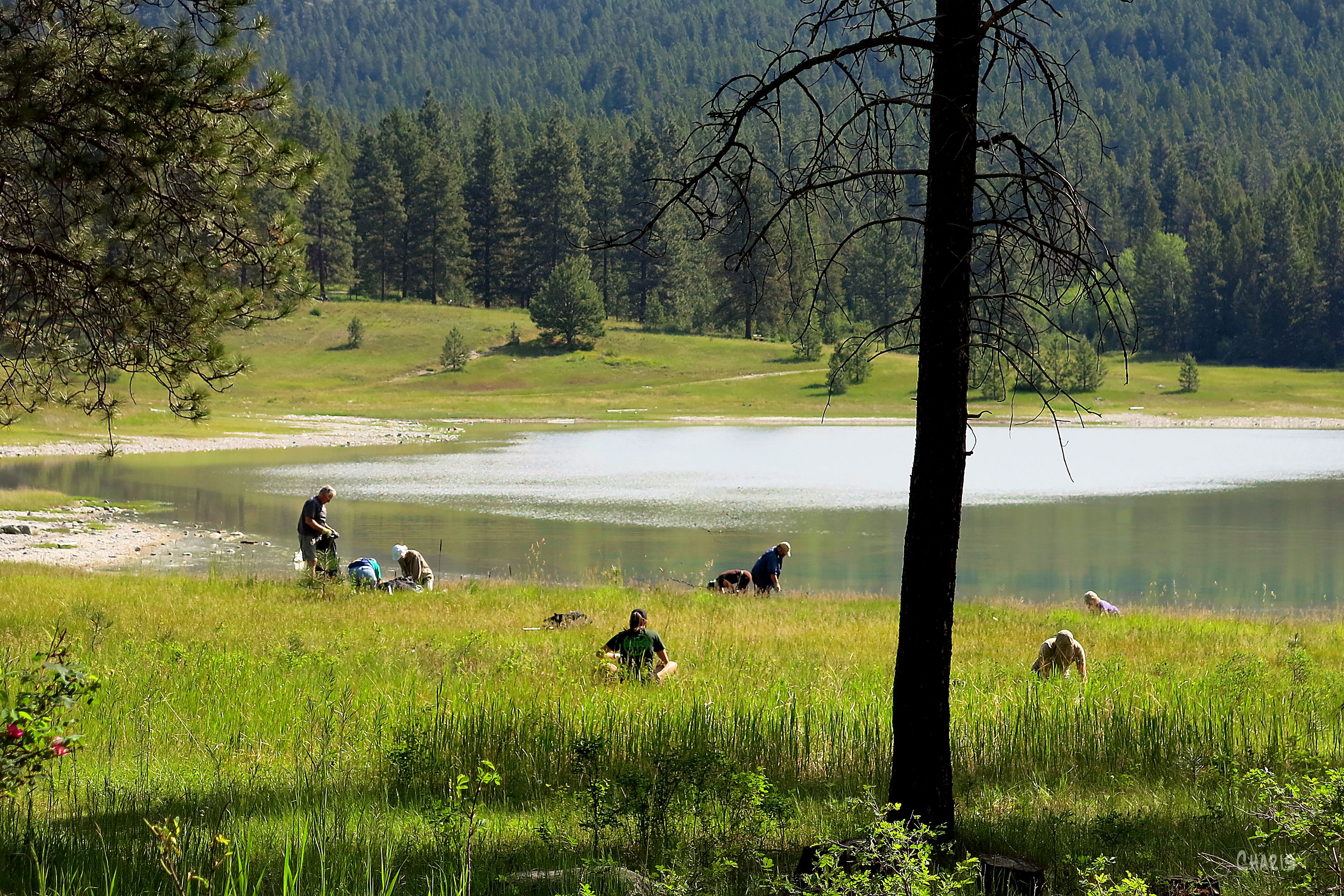
I came around the bend near the meadow by the second lake and saw a group of people down in the grass looking like they were searching for something. I asked someone what was happening and a woman explained to me that they were digging out noxious and invasive weeds.
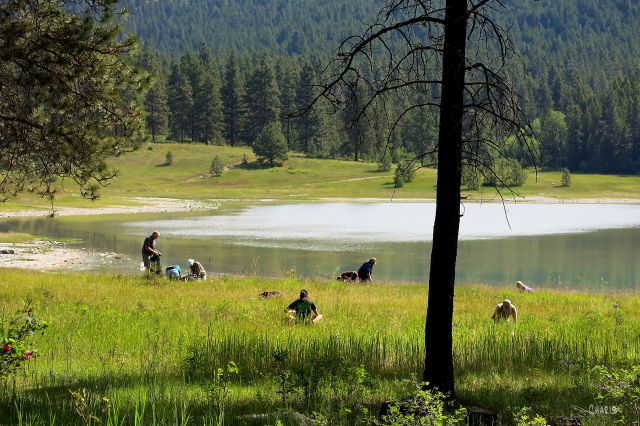
IMG_3231 noxious weed gathering

“Dalmatian toadflax and St. John’s wort mostly,” she told me. “There’s a bit of knapweed which of course is noxious, but today we are mostly concerned with other invasive weeds. St. John’s wort has its uses but it doesn’t belong in this environment and will soon take over if it’s not rooted out.

I went away thinking about them. In nearly thirty years of walking in these woods I have never run into any sizable group of people doing anything but walking dogs and giving visitors a tour. I’ve seen evidence of bush parties, but never evidence of parties of environmentalists digging invasive weeds out of the meadow. I felt I needed to pay attention.

I walked down another shaded trail thinking about invasive weeds and remembered some one-issue people I’ve known. I began composing a blog in my head about the way some people with a cause based on a perfectly good justice issue, or an over-looked aspect of theology, or an unmet practical need in the world “invade” an environment so that other people’s favourite causes are not given space.

I decided to sleep on it and woke with a song in my head that I have not thought of in many, many years.

Lord, I have shut the door, Speak now the word
Which in the din and throng could not be heard;
Hushed now my inner heart, whisper Thy will,
While I have come apart, while all is still.

“What are you saying, Lord?”
“It’s not about them.”
“Huh?”
“It’s about you. Your thoughts are like noxious and invasive weeds. Some are just bad, and although many concerns are useful in their place, when your anxious thoughts invade our quiet place you can’t hear. Be still and know that I am God.”

Psalm 94:19 came to mind: When my anxious thoughts multiply within me, Your consolations delight my soul.

It’s not that I don’t need to pray about these things; I do! It’s when they, and the fear attached, invades my inner heart, the place where I have invited Christ to dwell, that they multiple and drown out his voice – his consolations. God is speaking all the time but unless I learn to be still, I’ll have trouble hearing him – and even when I do, I may make the mistake of thinking it’s for them and not me.

Sometimes hearing God’s voice is not only about making connections, it’s about learning to turn down the volume on noxious and invasive noises and root out obsessive thoughts that invade the sacred space so his consolations have room to thrive.
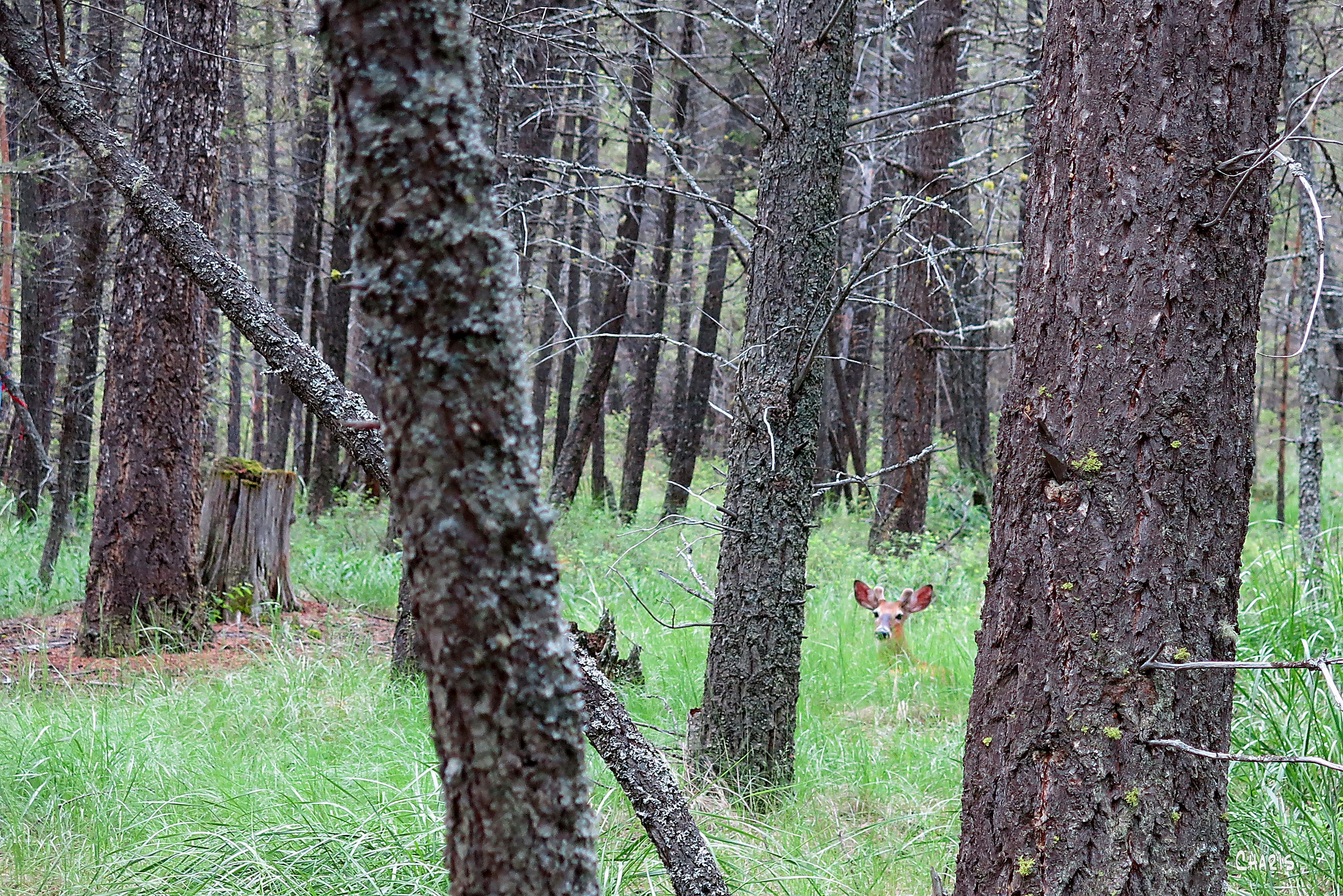
IMG_3242 forest wild rose

Oh, That We Might Know


DSC_0026 leaf rain drop_edited-2


Oh, that we might know the Lord!

Let us press on to know him,

and he will respond to us as surely as the coming of dawn or the rain of early spring.

(Hosea 6:3 TLB)

Showers

IMG_3004 leaves rain drops shower ch

Should pain and suffering, sorrow, and grief, rise up like clouds and overshadow for a time the Sun of Righteousness and hide Him from your view, do not be dismayed, for in the end this cloud of woe will descend in showers of blessing on your head, and the Sun of Righteousness will rise upon you to set no more.

– Sadhu Sundar Singh

Provoked

winter leaves gouache thorns ch


“We pray, ‘Lord, change me.’ To answer that prayer, He will often allow circumstances or people to offend us. Our fleshly reaction spotlights the specific area where we need growth. Thus, the Lord initiates change by offending the area of our soul He seeks to transform. He does not expect us to merely survive this adversity but become Christlike in it.”
– Francis Frangipane

It’s Like…

IMG_2437 mountain fisher dark trees ch crop


When my uncle from Saskatchewan came to visit I took him to one of my favourite lookouts to see the mountains. I asked him what he thought. He thoughtfully stroked the stubble on his cheeks that reminded me of the stubble covering his flat fields after harvest.

“They’re okay I guess, but they kind of block the view, ” he said.

A talented musician I once worked with told me she had a similar reaction. She grew up in The Netherlands and although she had seen pictures of mountains she never actually climbed even a hill until a visit to Scotland when she was eighteen.

“The mountains in Canada make me feel claustrophobic,” she said. “I miss the sky.”


My beautiful picture

 
I must admit that when I take trips back to the prairies I appreciate the sky and the marvelous sunsets, but I feel so exposed. My Dad joked that on his childhood farm he could see the train coming two days away and it was this environment that necessitated the invention of the outhouse.

Communication involves so much more than the facts of terrain and topology. Words and images don’t always contain the same meanings to different beholders.

I loved the annual “Missionary Convention” at my church when I was a kid. The missionaries on furlough brought costumes and articles from far away exotic cultures and told stories of eating local comfort foods that made kids raised on Jello and Wonder bread gag. I remember one guy telling us the problems he had translating the Bible into the language of a society whose only previous outside contacts had been oil and mining company workers and anthropologists. He wondered how to translate, “Behold the lamb of God.” Somehow “Behold the fuzzy creature of God” didn’t seem appropriate. “Behold the little pig-sized animal covered with curly whiskers like the ones on Jake the geologist’s face” seemed too cumbersome to repeat more than once. He finally went with “Behold the piglet of God” because these people raised pigs and often took the little ones into their homes as pets. He knew that word could be shocking in other cultures, but it conveyed the meaning of something innocent, valued and loved. A lamb, in a way, was like their piglet, but then again, not really. There are limits to how far an analogy can go. Sometimes you need more than one.

Jesus told stories to explain a kingdom outside the experience of the people who gathered around him. “The kingdom of God is like a pearl. It’s like a coin. It’s like…”


“The disciples came up and asked, “Why do you tell stories?”

He replied, “You’ve been given insight into God’s kingdom. You know how it works. Not everybody has this gift, this insight; it hasn’t been given to them. Whenever someone has a ready heart for this, the insights and understandings flow freely. But if there is no readiness, any trace of receptivity soon disappears. That’s why I tell stories: to create readiness, to nudge the people toward receptive insight. In their present state they can stare till doomsday and not see it, listen till they’re blue in the face and not get it. I don’t want Isaiah’s forecast repeated all over again:

Your ears are open but you don’t hear a thing.
Your eyes are awake but you don’t see a thing.
The people are blockheads!
They stick their fingers in their ears
so they won’t have to listen;
They screw their eyes shut
so they won’t have to look,
so they won’t have to deal with me face-to-face
and let me heal them.”

(Matthew 13: 10-15 The Message paraphrase in modern clichés)


God still speaks to us today in stories and similes that come from our own cultures. His language is not always English nor any other spoken language. He can speak through nature and pop music and babies and even international politics – and many other ways that connect us with his heart – but most people don’t hear because his imagery means little without a desire to understand the story-teller. His language is relationship. He is the Word.

I’ll be honest and say that I enjoy poetry and I write poetry, but I don’t read a lot of it. It’s work and I want to know the poet has something of value to say before I invest mental energy in interpreting the imagery. You can’t read poetry (except perhaps limericks) without taking time to ponder over what the writer is trying to communicate. Taking time to listen to God develops eyes to see and ears to hear what the kingdom of God is like, but more importantly what the Lover of our Soul is like.

“But you have God-blessed eyes—eyes that see! And God-blessed ears—ears that hear! A lot of people, prophets and humble believers among them, would have given anything to see what you are seeing, to hear what you are hearing, but never had the chance.” (verses 16-17)


“Oh Lord my God, when I in awesome wonder consider all… I see… I hear… Then sings my soul, my Saviour God to Thee.” (How Great Thou Art)