
Photo: The Mission
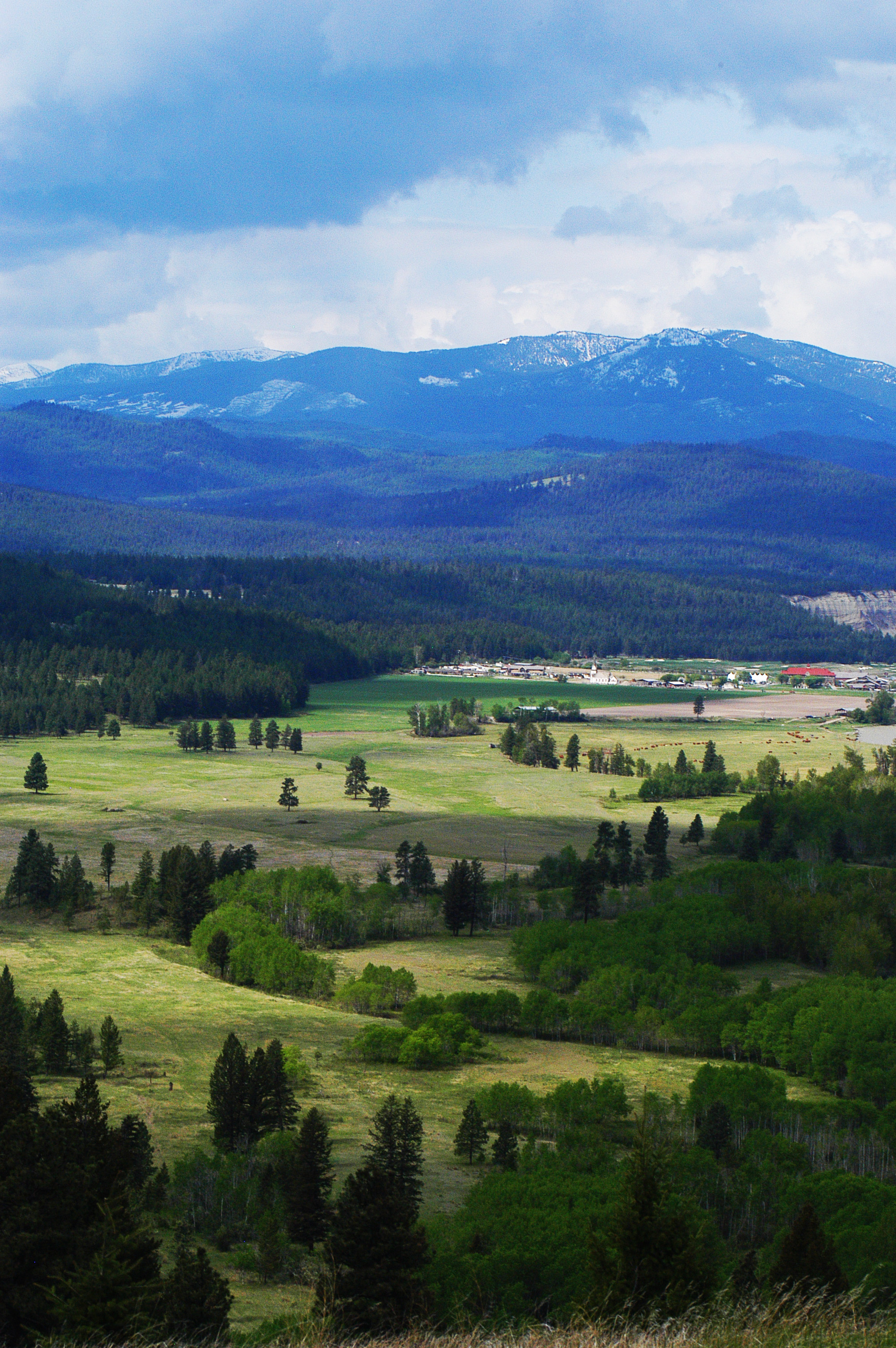
Your mission, should you choose to accept it
The woman told me to be careful because there were nails sticking up in some places, but that most of the floor boards that could break had been replaced.
“That was a classroom,” she said, stepping over a pile of debris, “And this is the room where kids went to die.”
“What?” I said.
“Mostly T.B., but other stuff too. The other children weren’t supposed to know, but they did. Kids who went in this room just disappeared.”
She was showing me the old residential school on the St. Eugene Reservation. This was years before the Band’s greatest source of shame and sorrow transformed into their greatest asset.
Much has been written of the horrors of the residential schools in Canada where First Nations children were removed, sometimes forcibly, from their parents and placed, not always gently, in dorms and classrooms where they were raised by people who couldn’t speak their language or understand their culture or who had even had children of their own. It is our national tragedy, our national source of shame.
It would be easy to hate the perpetrators of this cultural fiasco, but many people, misguided though they may have been, thought they were leaving their own comforts behind, living in the wilds to try to improve the lot of children who were not educated to cope with European ways.
Alas, one may leave one’s comforts behind, but one’s discomforts and old wounds come along. This is why we call it baggage. Our methods of coping with baggage are the chief source of collateral damage to succeeding generations.
Some of the people who found their way to teach in isolated residential schools were pure evil, no doubt.
I think many others meant well, after all this is how many Europeans treated their own children. They still do. We still romanticize the boarding school concept in books like Harry Potter. Missionaries’ children are still routinely flown off to walled English-speaking compounds in another country to be raised by people who have sacrificed the comforts of their own homelands to raise other people’s children.
Many refugees of institutionalized European upper crust bullying continue to bully as adult leaders in government institutions and multinational corporations. Some guilt-proofed adult children of the foreign fields, who felt they mattered less than the people their parents were trying to reach, still bear scars as well –even though their substitute parents meant well.
I think it may actually be easier to forgive someone who drives over your foot intentionally than someone who drives over it accidentally. If a person you love and respect drives over your foot accidentally, then expresses how terrible, awful, horrible, miserable and wretched they feel, the victim can forget that they were the victim in the effort to comfort the driver. Some people think forgiveness is saying, “That’s okay. It was no big deal,” when it was a big deal. Whether your foot is crushed accidentally or intentionally you still have pain and you still limp, and if that injury is never given proper attention and healing you limp for the rest of your life.
Then there is the matter of what to do with the anger.
If only everyone who hurt us was the picture of pure evil we could aim all our screaming, kicking and ranting at them. This is why novels have villains. Oh how we love to hate a well-constructed villain. But what do we do with a best friend who drove drunk just that one time? How do we remember a teacher who said one stupid, cruel thing that devastated us for years? How do we forgive a parent who was usually kind, but in a war-time flashback saw us as the enemy? How do we forgive and yet still acknowledge the tremendous pain that resulted from these choices?
Forgiveness is complicated, but ignoring pain causes us to take it out on the next generation. Unresolved anger hides in our suitcase ready to lash out at any curious child who opens it.
The First Nations people on the St. Eugene Mission have done the most remarkable thing. They have inherited the rights to the old mission property, one of the most beautiful places in the world, on which sits a big old stone building that had a room where kids went to die. They have taken the most painful memory of their people’s history and transformed it into a luxury hotel. Some people see only the beautiful setting. Some people see only the memory of horrid pain, but these outstandingly gracious people see both. The object of hatred, the old residential school, has been reborn as a source of education (no denial of pain) and of hospitality (reaching out). They have opened their doors to the world.
What an example. When I took this photo yesterday as I stood on a hill over the Mission it was as if I heard: Yes, you have pain, you have anger, you have scars. You have been hurt by people who meant well, but who had never dealt with their own pain. You have a choice about what you do with that thing in your life that sits like a big red-roofed stone building in the middle of an otherwise beautiful inheritance. Your mission, should you choose to accept it, is to make something useful, beautiful, and hospitable of your inheritance, both good and bad.
God bless the Ktunaxa.
 Historic St. Eugene Mission church in winter


 Charis: Subject to Change