Joy in Disappointment

“The difference between shallow happiness and a deep, sustaining joy is sorrow. Happiness lives where sorrow is not. When sorrow arrives, happiness dies. It can’t stand pain. Joy, on the other hand, rises from sorrow and therefore can withstand all grief. Joy, by the grace of God, is the transfiguration of suffering into endurance, and of endurance into character, and of character into hope–and the hope that has become our joy does not (as happiness must for those who depend up on it) disappoint us.”

-Walter Wangerin

Sometimes people disappoint me.

Sometimes I disappoint myself.

I think disappointment is one of the things we fear most.

What if I trust this person with my sacrificial donation to a worthy cause and he absconds with it for his own personal pleasure?

What if I trust this woman with my story, but her tongue twists truth like a knotted cherry stem that becomes a mocking joke at my expense?

What if I trust these caregivers to protect my precious child and they return him with a bruise in the shape of a hand and a flimsy excuse pinned to his onesie.

These examples are hypothetical (mostly); however, many people understand the suffering that comes from a sense of betrayal and discovering people they trusted were not who they said they were. That kind of pain is real. Some of us add to the suffering by feeling ashamed for being gullible, but there is also the fact that sometimes we didn’t see the red flags sooner because we didn’t want to. They were inconvenient.

But what if the culprit is me? What if in my exuberance to illustrate a point, I break a confidence and share a story I promised not to share?

What if I accept the polite gesture of driver allowing me to merge onto a busy road as if I was entitled to it, then, only a block later, slam on my brakes, sloshing my hot coffee everywhere. What if I mutter the curse, “idiot!” at an obviously drug- impaired woman who stumbles onto the road in front of me. (Ok. That one really happened. I almost ran over her! But God forgive me, in that moment I was more upset about what an enormous inconvenience that would have been to me more than I was about how devastating it would have been to her. )

I was not who I thought I was. I felt ashamed and stupid for my choices.

I’ve been thinking a lot about scenarios like this and worse lately. A lot of people, including myself, have been deeply disappointed by betrayals of trust by people we thought we knew. I suffer with victims who have been treated as if they are expendable in the kingdom of God. Some of the substantiated reports coming out sent me into deep mourning. I lost my joy.

As a foster mother I often held inconsolable weeping children who had been abused. I rocked them for hours. As a friend I’ve listened to stories of abuse and the consequences both women and men didn’t disclose until decades later. I never thought I would see so much dishonour for the powerless in a church setting. It’s been a season of anger and mourning, but I don’t want my angry tears to congeal into bitterness, nor do I want to enable systemic corruption.

I’ve also seen the tears in the eyes of friends I treated cruelly with impatient, judgmental, or dismissive words. I am not without sin. In recent months I felt compelled to find two estranged friends from many years ago who I needed to apologize to. Eventually I learned that both had passed away. I regret not making things right sooner.

This season of sorrow has prompted me to look at things I don’t want to see. It has made me realize that even though I can’t fix anybody, I can’t afford to carry a grudge either. It may take a while to get there, but the goal is forgiveness. It has made me ask questions.

What if we confront the people who wronged the innocent or the trusting, and by holding them accountable, protect more vulnerable lambs from abuse? What if we go further? What if we are all honest with each other? What if we come humbly, together, recognizing our own vulnerability to falling, and extend grace to help them in the long process of rebuilding trust as they learn to become the people God created them to be?

What if I thank God for revealing when I miss the mark? (Publicly, if need be.) What if I apologize, make amends, and (here’s the hard part) forgive myself as I cooperate with Holy Spirit as he works in me so I can become the person he created me to be?

My examples are (mostly) hypothetical. Disappointment is real. In the past few months, I have struggled with the consequences of disappointment in Christians I felt I, or fellow-believers ought to be able to trust. Then I realized I was also in need of grace to let go of self-made comforting idols. What if godly sorrow that temporarily removes our happiness leads to an awareness of the permanent joy the author of our faith wrote into the script of his plan for our lives?

What if joy means knowing that He who began a good work in us will be faithful to complete it? What if the pain and grief-filled times are gifts of grace that motivate us to develop endurance leading to good character that can carry increased hope? What if it’s really true that God loves us as we are, but also loves us too much to leave us this way?

What if we can say –with joy– our Heavenly Father’s discipline is not fun at the time, but as we respond to his voice, and take time to sit in his presence, we discover he is actually good? What if it is his kindness that leads us to want to change? What if the sorrow of godly suffering leads us through the valley of the shadow of death to self where he prepares a feast for us where the enemies of our soul can watch but dare not touch us? What if the evidence of transformation in our lives is being able to say. with sincerity, I trust you Lord, for only you have the words of eternal life?

In you is fullness of joy, even in sorrow.

Transformer

Before we give real attention to the ways Jesus wants to transform our lives, we must reach a better understanding of his complete familiarity with our lives. He’s comfortable with us. He knows us intimately—even those things no one else knows. When we come to him with our needs, when we realize that we can bring our emptiness to him, we’re finally in a place where we can see his power at work in us. -Max Lucado

Transfiguration

The difference between shallow happiness and a deep, sustaining joy is sorrow. Happiness lives where sorrow is not. When sorrow arrives, happiness dies. It can’t stand pain. Joy, on the other hand, rises from sorrow and therefore can withstand all grief. Joy, by the grace of God, is the transfiguration of suffering into endurance, and of endurance into character, and of character into hope–and the hope that has become our joy does not (as happiness must for those who depend up on it) disappoint us.

-Walter Wangerin

New Life

“Forget the former things;
    do not dwell on the past.
See, I am doing a new thing!
    Now it springs up; do you not perceive it?

Isaiah 43:18, 19 NIV

Unlock My Heart

Lord God, unlock my heart, unlock my lips,

and I will overcome with my joyous praise!

For the source of your pleasure is not in my performance

or the sacrifices I might offer to you.

The fountain of your pleasure is found

in the sacrifice of my shattered heart before you.

You will not despise my tenderness

as I bow down humbly at your feet.

Psalm 51:15-17 TPT

There’s a setting on the photo editing software I use that lets me make a kaleidoscope-style image using bits and pieces from my own photos. The photo I used here was of a barren tree in a snow-covered field at sunset. It feels like spiritual transformation to me.

Have you noticed that God gave many people their assignments in his Kingdom when they were at their lowest? God is more impressed by our willingness to offer him the broken pieces of our failures than the efforts that made us successful in other people’s eyes. A shattered heart? Now that he can use. He takes our locked hearts and disappointments in ourselves, tosses them around, and lets us see through a lens that transforms and multiplies our offering into something beautiful.

He takes our limitations and opens our eyes to limitless possibilities. He’s good that way.

Sorrow and Joy

From then on Jesus began to tell his disciples plainly that it was necessary for him to go to Jerusalem, and that he would suffer many terrible things at the hands of the elders, the leading priests, and the teachers of religious law. He would be killed, but on the third day he would be raised from the dead. (Matthew 16:21 NLT)

Sometimes I wonder what it must be like for people coming to Canada from tropical countries. If you have never seen it, would you believe it if someone told you, “There is a season coming when all the trees and plants and grasses will die? The world will be too cold for them to live and if you are not careful to find shelter and a source of heat you could die too. But don’t worry. After a few months of cold and long nights, they will come back to life again.”

I wonder if someone who has never heard of this or experienced it before would respond, “How exciting!’ or would they say, “No way! We will protect our gardens nd fields!” Many immigrants have told me their first winter was a shock and felt like it was never going to end.

Jesus told his disciples clearly, and more than once, precisely what was going to happen. When it did, they were shocked and dismayed. For all his declarations that Jesus would not be mistreated and killed under his watch, Peter had to face the fact that he was dead wrong. Jesus was arrested, humiliated, abused, and killed. The shock was so traumatizing it took a time before they remembered that he told them he would be raised after three days.  But how? They still had no grid for that.

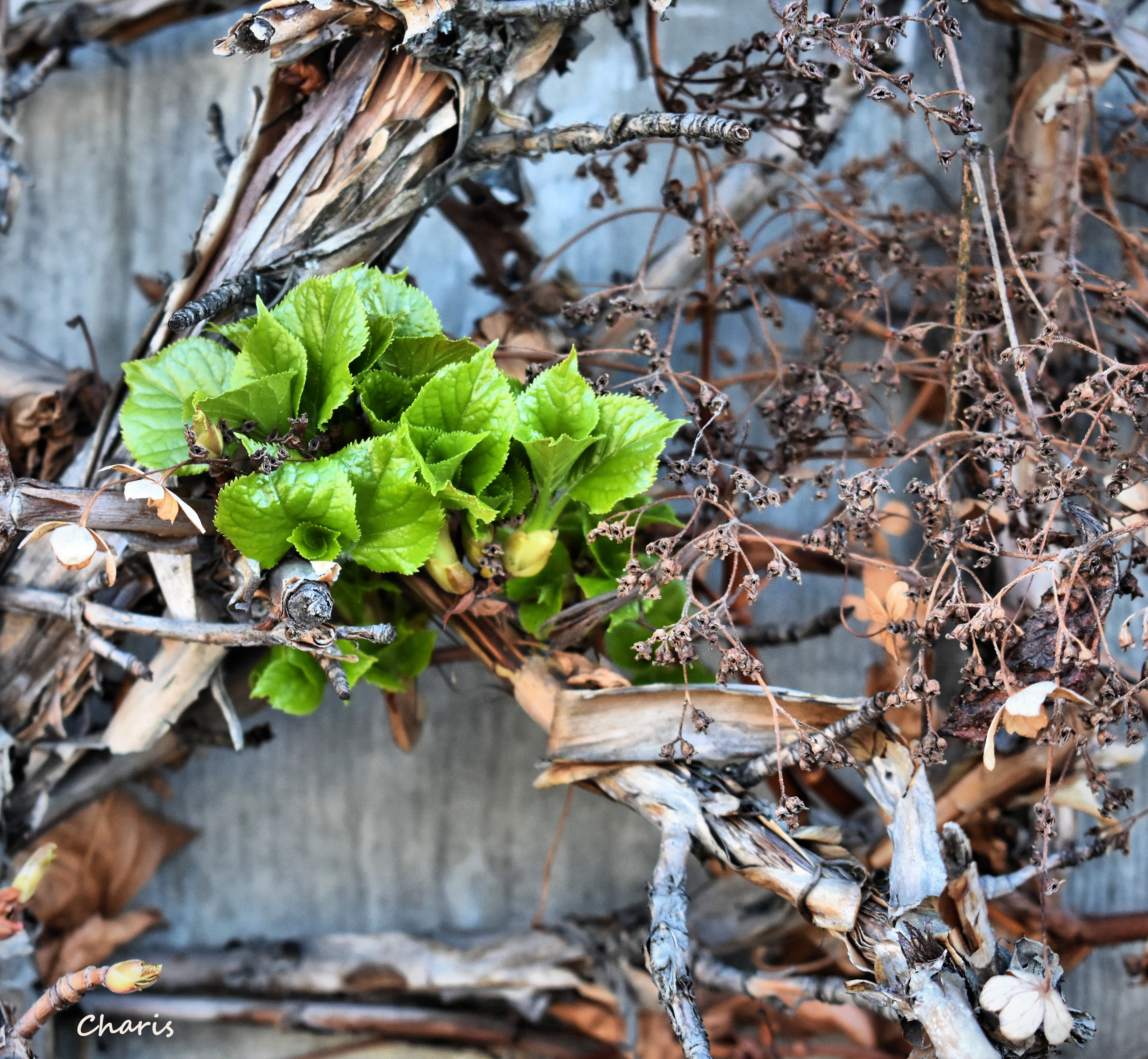
Yesterday, I passed by a vine-covered wall. There has been no sign of life on those bare branches for months. Now there is. What appeared to be dead is awakening to new life.

Today’s prompt word for Creative Meditations for Lent is Sorrow/Joy. Sometimes terrible things happen. We reel with the shock of photos of bodies in the streets in the Ukraine. We wail at the news of friends dying of Covid and other afflictions after we prayed with fervour and declared they would not die. We make plans for next week, next year, and the next decades and deny as much as possible that we live in mortal bodies that 1 Corinthians 15 reminds us are perishable, even though as believers in Christ we are promised eternal life.

Perhaps the lesson we can learn from new green leaves on a bare vine is this: Even though we have no grid for resurrection from the dead in new bodies, it will happen. There is more to the passage on running the race than I quoted earlier this week.

Therefore, since we are surrounded by such a great cloud of witnesses, let us throw off everything that hinders and the sin that so easily entangles. And let us run with perseverance the race marked out for us, fixing our eyes on Jesus, the pioneer and perfecter of faith.

For the joy set before him he endured the cross, scorning its shame, and sat down at the right hand of the throne of God. Consider him who endured such opposition from sinners, so that you will not grow weary and lose heart. (Hebrews 12: 1-3)

Oh, how I love the spring! What a harbinger of much greater joy!

Let the Past Sleep

Our yesterdays present irreparable things to us; it is true that we have lost opportunities which will never return, but God can transform this destructive anxiety into a constructive thoughtfulness for the future. Let the past sleep, but let it sleep on the bosom of Christ. Leave the Irreparable Past in His hands, and step out into the Irresistible Future with Him.

Oswald Chambers

I could tell she was frustrated. The young woman standing beside my piano stopped singing and turned her face away. It’s hard to sing with a lump in your throat. I know. I did the same thing more than once when I was studying voice. I told her that discouragement after taking singing lessons for a few months was not unusual. A few months was enough time to learn about changes she needed to make, but not long enough to remember all of them at the same time and definitely not long enough to let go of familiar ways of singing that could eventually hinder her progress.

“For a while it will feel like trying to hold several beach balls under water when you only have two hands. Something always pops back up,” I told her. “Don’t be too hard on yourself. Relax. It will come.”

I don’t teach anymore, but I needed to be reminded of my own advice after these past few months. My creative process feels like it was wrapped in newspaper and packed away in a forgotten box. I sit down to write or sketch and realize my brain is as blank as the page.

We’re mostly settled into our new place. I should be ready to get back to some of the projects I was working on before we decided to move but something has been stopping me. As I prayed about the blockage, three similar articles came to my attention in the same week. The message they carried?  You need to say goodbye to the past and grieve for the loss of the familiar, both good and bad, before you are ready to move on.

I know this move was the right one at the right time. We had so many answers to prayer including selling our house before it was listed and finding a new place (without stairs) in the new city on the first day we started looking. In spite of my anxiety that I would forget something essential, everything fell into place and we realized, on the day of the first snow, that our prayer to be finished with the moving process before winter was answered.

But I have realized that even though everything looks like it is in place, I still have unfinished business.

I asked the Lord if there was anything I still needed to let go of. I remembered walking in the snowy silence of the forest near our old house. Around the snow-covered tree trunks that fell in that big windstorm a few years back and down a deer path, there was a stump where I used to sit and pray. Suddenly tears welled up. I miss my stump! I miss my trees and my mountains! I miss not being able to walk very far (one of the reasons behind downsizing) and I especially miss my time with the Lord out in nature where I most easily feel his presence.

“What do I do with these memories and feelings, Lord?” I asked.

“Give them to me,” I heard.

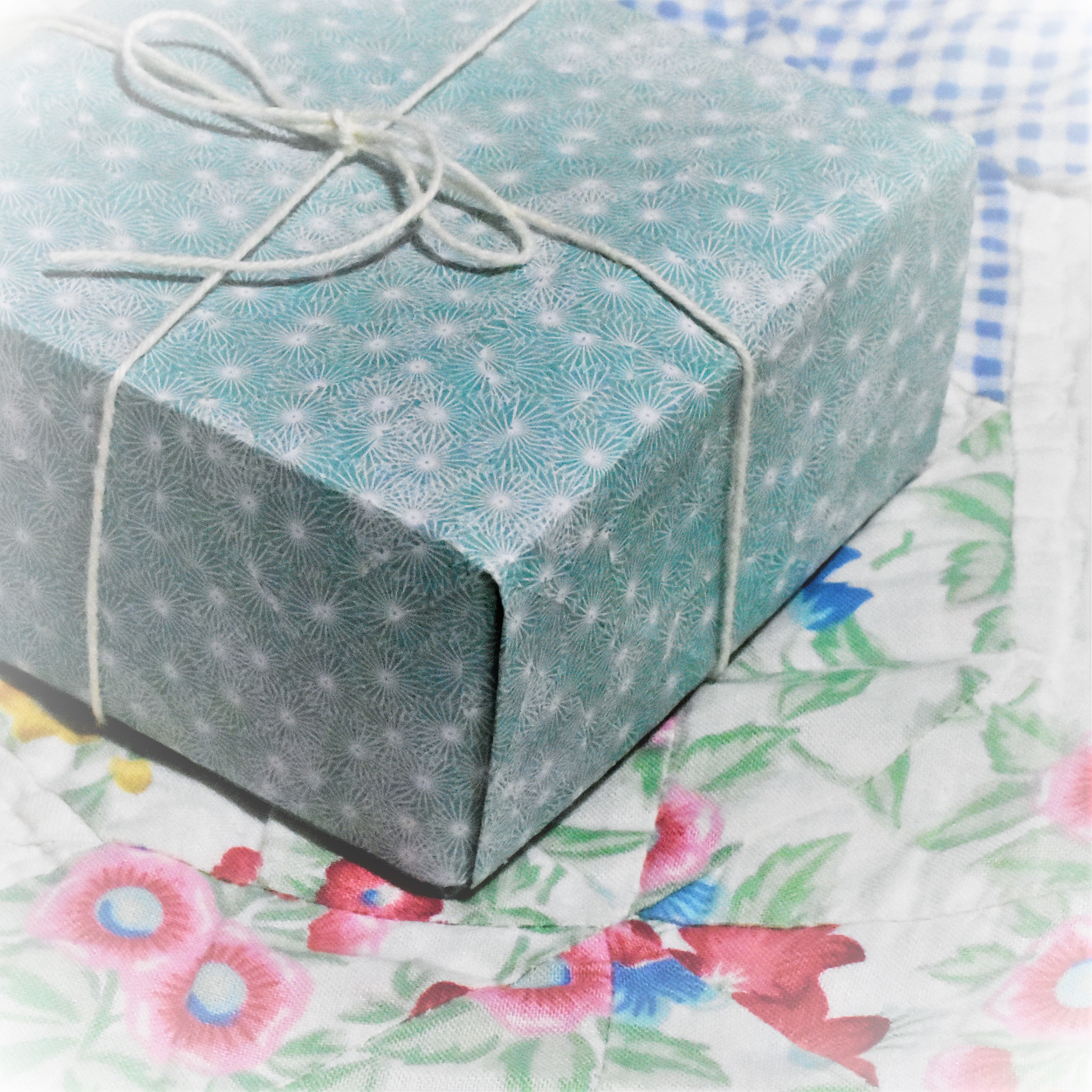
I wrote memories on a sticky note and put them in a little paper box. More memories came, not just of beautiful people and places I loved, but also sad memories of goals unattained, of relationships that remain unreconciled, of disappointments with myself. I wrote down my worries for people I wanted to help (okay, fix) but I left them behind still suffering pain and mess. Finally, I realized that I left behind a young, energetic woman who could accomplish much more in a day than the one who sits writing this now.

There is always grief involved in saying goodbye, I guess. I added to the pile of sticky notes in the little box and tied it up with a piece of string.

“Lord, I give this to you. It’s not as impressive as I wish it could have been. There’s some disappointing and embarrassing stuff in it, but I know you’re not surprised because nothing surprises you. You know all about it. There’s some good stuff in there too, really good stuff — and it’s hard to let go. But I trust you. I know you have more to show me and a purpose for the time remaining in my life no matter the circumstances. Here you go.”

Transformation comes with the willingness to cooperate with God’s process. (I think I wrote that somewhere.) When our hands and hearts are clinging to the old there’s not much room for the new. Letting go of the past is the only way to move forward. The little box is a symbol of my intention to do that.

This is not the end.

The Torch: Be Yours to Hold It High

When I was a young bride far from my family in the days before easy communication, four elderly women who lived together in a heritage house  extended themselves to become family. Rhea and Kathleen, the sisters who inherited the house, showed me how to can fruit, and frame artwork.  They invited us to important events and introduced us to influential people. Dorothy, a retired college principal, recommended excellent books and engaged us in thought-provoking conversations. Mavis, a retired English nanny, became my much-appreciated resource when our first baby was born. I loved these women.

Something made me wonder though. They were outstanding women of character, intelligence, and grace. Old photos showed them as once attractive, fashion-conscious girls and young women. Why were they all single?

Finally, I asked Kathleen, “Did you ever think about getting married?”

“Of course,” she said. “But my young man died in the war.”

“Oh Kathleen! I’m so sorry. I never knew. What was his name?”

“I don’t know,” she shrugged. “He died before I met him.”

She told me this with the mischievousness of someone who had lighted upon an answer that served her well for many years. There was also a sting of truth to it I had not considered before.

Her sister explained, “When we reached the age to consider marriage, we realized many of the young men we had known never came home after the first world war. There was a severe shortage of men. Frankly, neither of us met anyone who shared our interests and passions and we didn’t care to compromise. Between our careers and caring for our parents as they grew older, we filled our time well enough and were content. We learned how to create family in other ways.”

Each Remembrance Day we honour those who fought for freedom from oppression. We sing songs, recite poems, lay wreaths, and invite school children to submit artwork and essays to express thanks to those who served in the military. This year, as I remember the old house and the ladies who showed us how to celebrate each day as a gift, I would like to honour those who bore the heavy burden of war as bereaved parents, widows, fatherless children, and young women whose lovers died before they had a chance to meet. They were the ones who picked up the torch and held it high.

To you from failing hands we throw

    The torch; be yours to hold it high. 

– John McCrae

New Life, New Hope

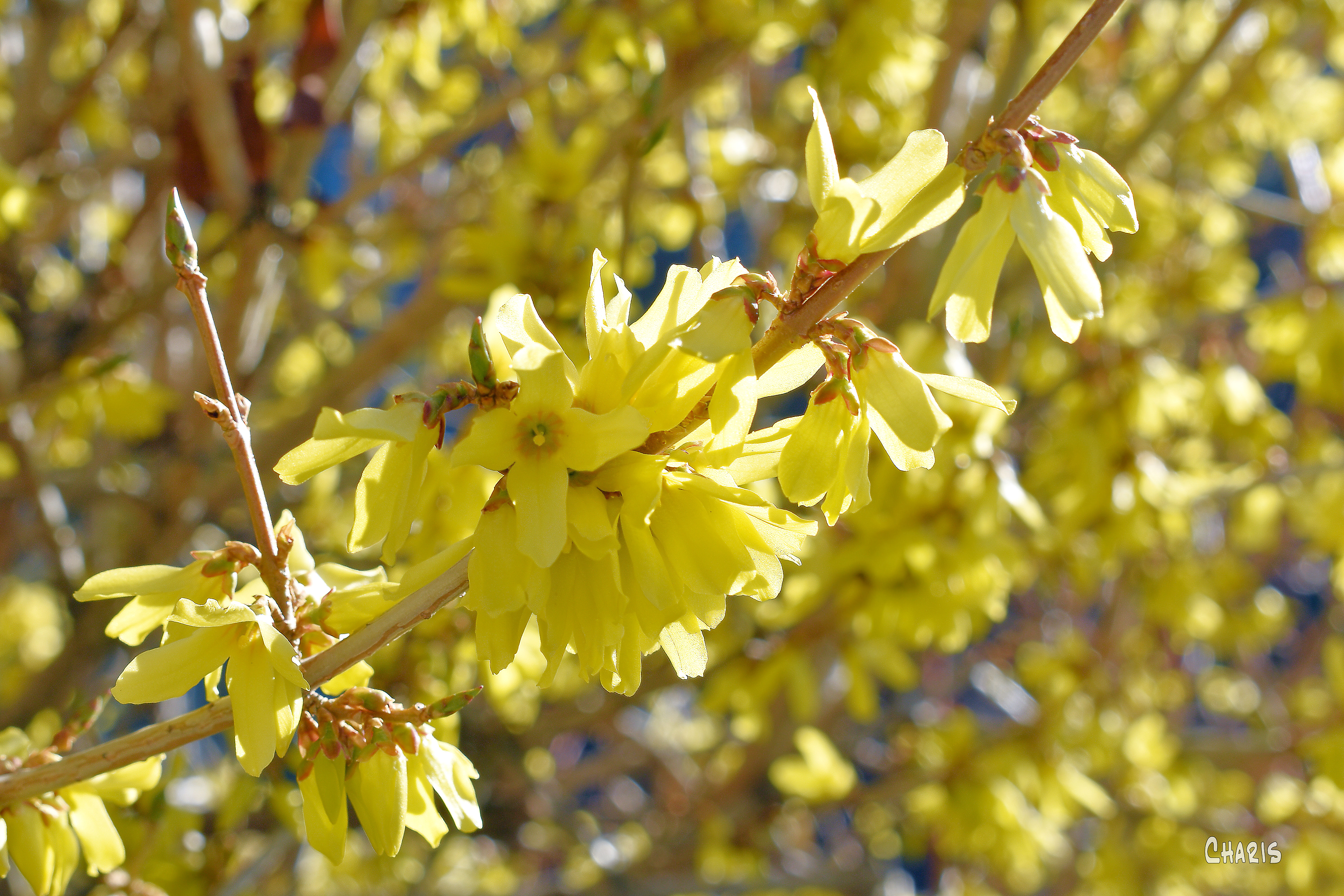
forsythia 5 ch rs DSC_0570

Beware of harking back to what you once were when God wants you to be something you have never been.

Oswald Chambers

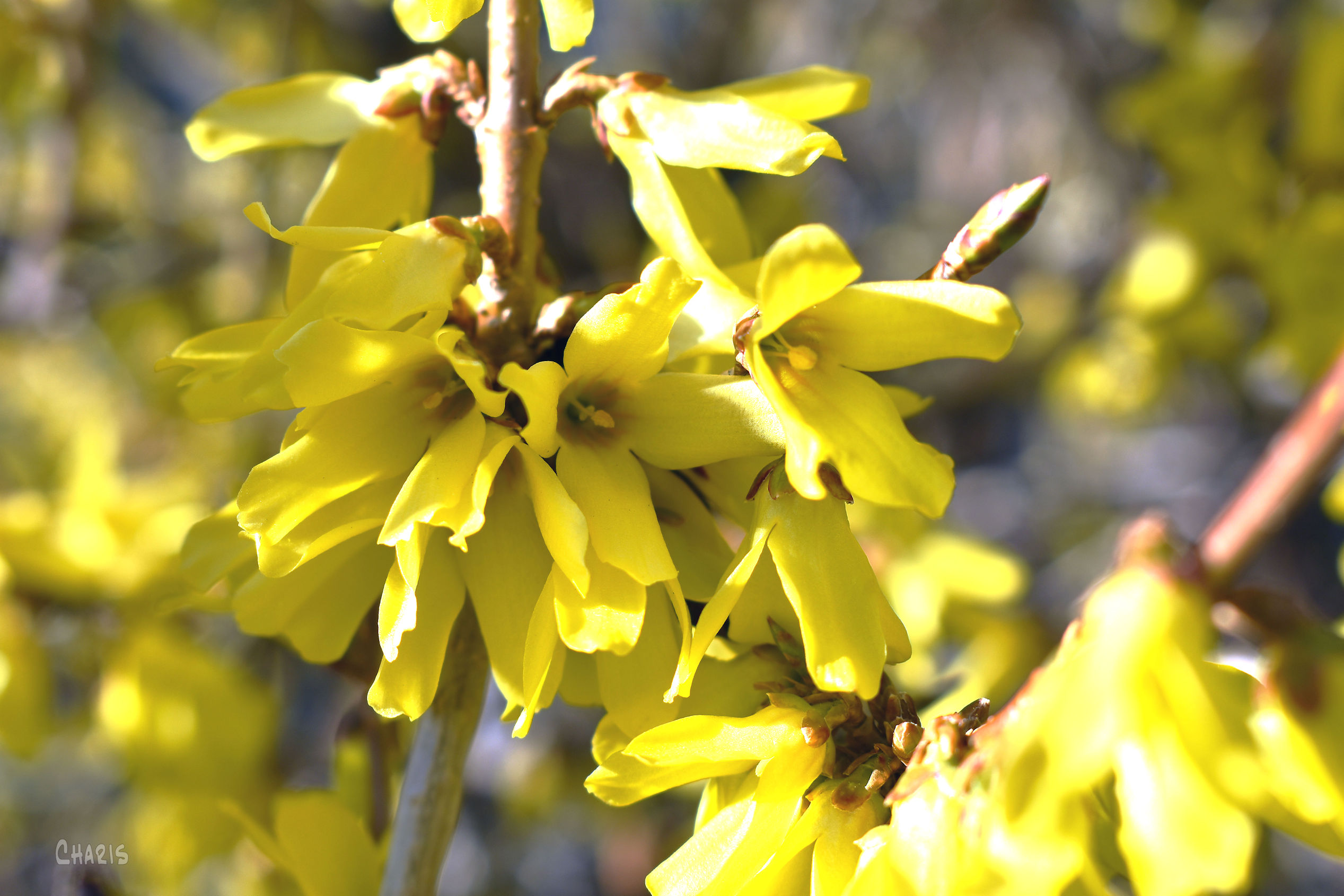
The sun shone brightly. A warm gentle breeze stirred the topmost branches to tap a joyful rhythm against the window.

My friend came by while I was in the house and released Mason bees into the forsythia bush, now laden with new blossoms. She told me with delight that she watched a female immediately find a mate.

Last week, our spirits fell along with the temperature and bare branches (save one leaning against the warmth of the window) collected more snow. Last week was winter.

This week, the first bright colour in the garden arrived suddenly. This week is spring.

Transformation is like that. We wait and wait and wait, then suddenly life changes — and nothing will ever look the same again. We are not who we used to be.

forsythia 6 7 ch DSC_0578

Correction Lines: When Staying the Course Will Get You Off Course

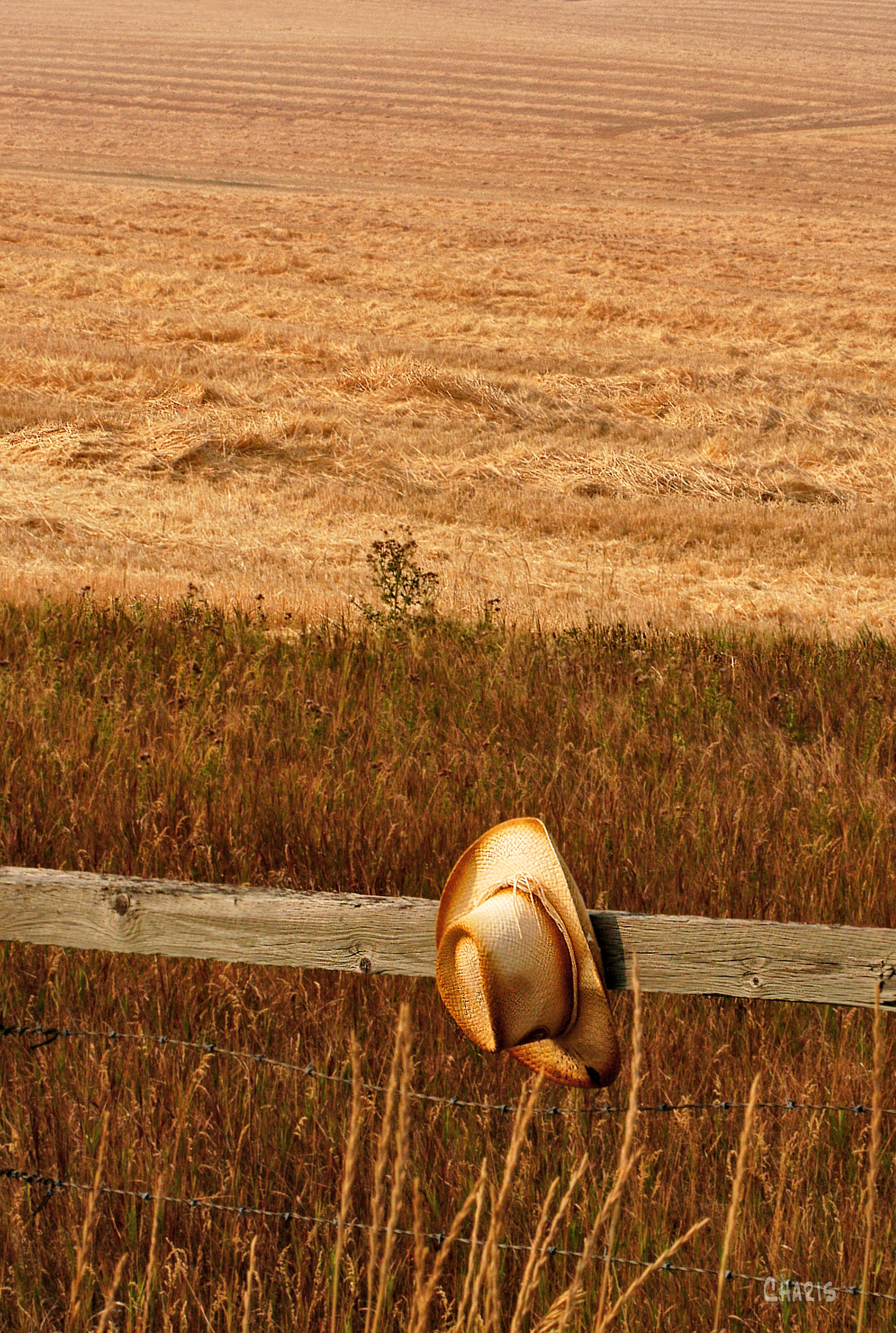
cowby hat fence field 2 ch DSC_0158

When we were kids, Mom and Dad took us on trips back to Saskatchewan, where they grew up. People dropped in on each other in those days, and there were plenty of folks to visit. I counted cousins one day. Including close second cousins and those almost a generation older, we had over fifty — and many of them still lived near our grandparents’ homesteads. That meant a lot of visiting and a lot of driving on prairie roads.

Our house on a hill in Calgary faced the mountains to the west. My heart was drawn in that direction. My parents’ hearts were drawn in two directions, to the rugged blue mountains we could see every morning from the living room window, and to the immense sky of the flat prairies to the east that was still home in their memories. Maybe that’s why they chose to live in a place of geographical transition where they could see both.

I liked it when we left after school on Friday before a long weekend because it meant Dad drove late into the night and I could sleep through the boring parts — which was pretty much every thing after the Flintstonesque Badlands in Drumheller. By the time we reached the Saskatchewan border I was bored with the sight of fields and fences. My parents’ admiration of the big open sky failed to impress me.

After we turned off the main highways onto the gravel roads Dad knew well, I felt like there was nothing to do but count telephone poles sailing by. I tried to sleep in the backseat — when my brothers stopped teasing me. I know we asked, “Are we there yet?” A lot.

We drove on straight roads that never turned. Until they did. For some reason I didn’t understand, every once in a while Dad had to stop, make a turn, go down the road a little way, make another turn and keep going. This action annoyed me because it woke me up. No slough or gully that I could see blocked the way. A stop sign marked the road’s end at a T intersection and we stopped.

When I asked him why, Dad said, “Sometimes staying the course will get you off course.” Then he explained correction lines to me. “The earth is smaller at the top because it’s round,” he said. “These jogs in the road are correction lines to keep us heading north toward the north pole. If roads went all the way up to the top of the earth you would see all the north-heading roads in the world converging on one spot, right?”

I pictured a globe. “I suppose.”

“Engineers built in changes to the square grid of these back country farm roads to keep us heading true north. ”

“…strong and free!” my brothers and I both sang from the backseat.

I’ve been reminiscing about family trips and the efforts it takes to get together now that my own children and their children are spread across the continent. That’s when I remembered my dad talking about correction lines and the wisdom of his observation, “Sometimes staying the course will get you off course.”

Even institutions that are careful to make meticulous plans for the future will find themselves off course eventually if they do not focus on Jesus Christ who said he was the way, the truth and the light. They need to stop and change. Circumstances in our lives can appear as inconvenient stop signs at T intersections. They can force us to pay attention and make adjustments to the direction we are heading. Determination to keep going the way we have been going may not take us where we assumed it would.

We like to hear stories of dramatic shifts in other people’s lives (and not so much our own), but sometimes drama is the result of not making smaller adjustments along the way. Judgment doesn’t always mean condemnation. Sometimes it means listening to the adjudicator’s assessment and accepting advice on how to improve. That’s submitting to discipline, exchanging our naivety (or arrogance) for wisdom that leads to change. A loving Father brings loving correction.

Becoming a disciple means following Jesus and transforming our thinking as he leads. Big dramatic turn-arounds may not be necessary when we slow down and pay attention to correction lines on the journey. It’s when we ignore signs and fences and ram our way through  muddy fields that we get stuck. Jesus said his commands are not burdensome. They don’t weigh us down like thirty pounds of prairie clay in a wheel well.

Jesus’ commands to base our choices on the law of love have a way of bringing us closer to him and closer to each other.

Everyone who trusts Jesus as the long-awaited Anointed One is a child of God, and everyone who loves the Father cannot help but love the child fathered by Him.

Then how do we know if we truly love God’s children? We love them if we love God and keep His commands.

You see, to love God means that we keep His commands, and His commands don’t weigh us down.

(1 John 5:1-3 The Voice)

May the light of his love draw us all closer to his heart and to each other.