
Real change is then ushered in by the loving touch of the Spirit,
moving out from people living transparently faithful lives
even in the middle of commotion.
(1 Thessalonians 2:1b The Voice)

Real change is then ushered in by the loving touch of the Spirit,
moving out from people living transparently faithful lives
even in the middle of commotion.
(1 Thessalonians 2:1b The Voice)

“The Spirit of the Lord is on me,
because he has anointed me
to proclaim good news to the poor.
He has sent me to proclaim freedom for the prisoners
and recovery of sight for the blind,
to set the oppressed free,
to proclaim the year of the Lord’s favor.”
Then he [Jesus] rolled up the scroll, gave it back to the attendant and sat down. The eyes of everyone in the synagogue were fastened on him. He began by saying to them, “Today this scripture is fulfilled in your hearing.” (Luke 4:18-20)

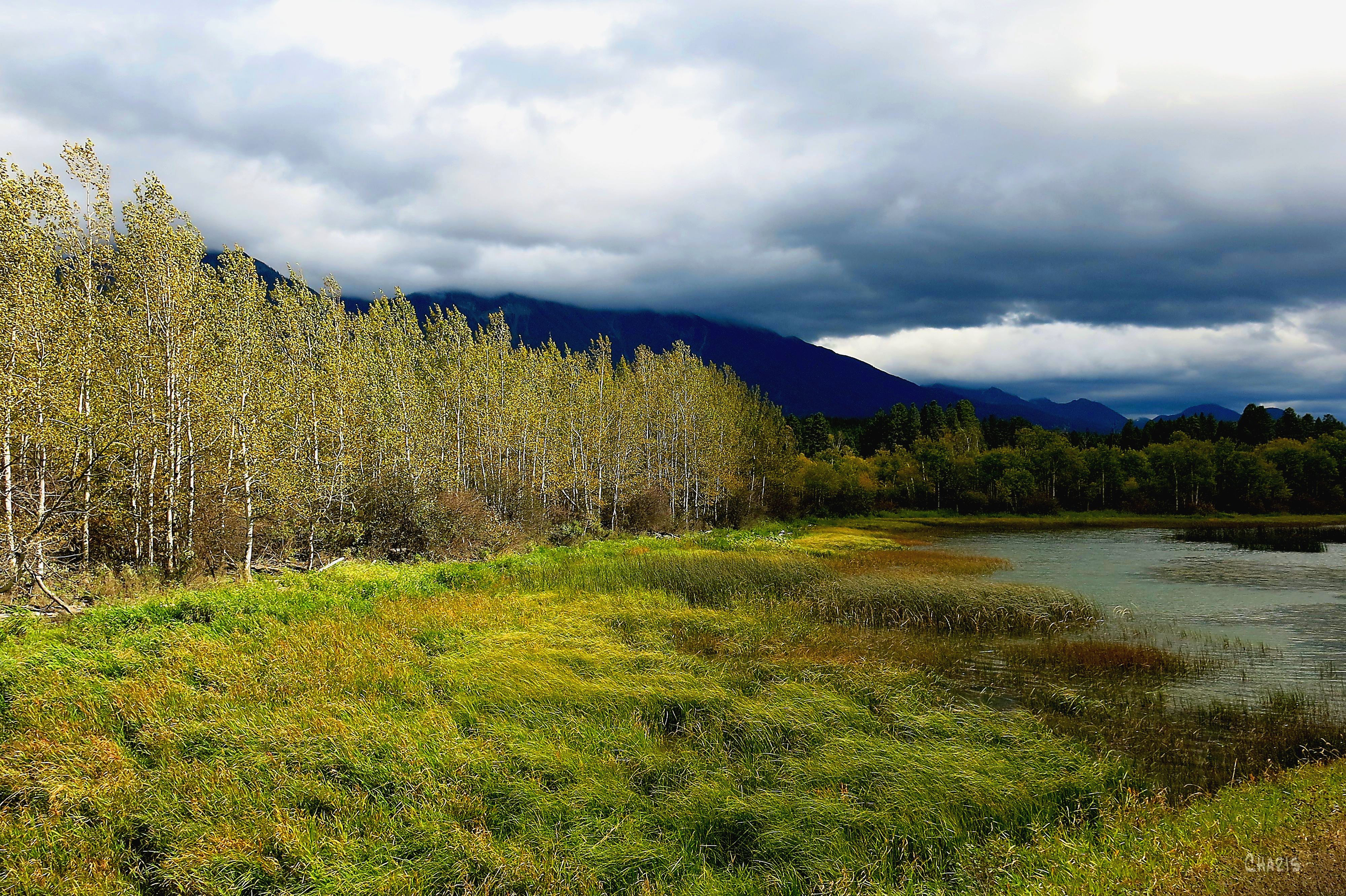
Who has ascended to heaven and come down?
Who has gathered the wind in his fists?
Who has wrapped up the waters in a garment?
Who has established all the ends of the earth?
What is his name, and what is his son’s name?
Surely you know!
(Proverbs 30:4)
No one has ever accused me of being overly meticulous when it comes to housework. In fact one day I was telling my adult daughter about how, when I was a kid, we used to sit in the station wagon packed with camping equipment waiting up to two hours for mom to wash her way out of the house (because she couldn’t stand the thought of someone seeing anything but a spotless house should she die suddenly and not return from the trip.)
My daughter said, “Mom, if your house is spotless after you die we’ll know for sure someone was tampering with the evidence.”

That’s probably true. But since my house has yet to express gratitude or show any signs of willingness to improve without my constant intervention I do what is necessary and then go get a life.
There are times, however, when lack of attention to detail is definitely a fault. Can I admit fear of the unknown when it comes to plastic storage container caskets of leftover food in the back of the fridge? Sometimes I don’t want to know what’s in there.
“Mom, I think the mystery meat is talking to itself. It seems to be alive,” said my son, “It’s expanding. What is this substance?” he asked gingerly prying off the lid.
My rule is, “If you can’t identify it, don’t eat it.” Seems simple enough.
“Whew!” he exclaimed when the scent of the offensive substance reached his nose. “Sorry, Ma. I’ve gotta throw the whole thing out,” and he tossed the entire container in the garbage can.
I was thinking today (anything to avoid housework) about substance. The Bible says in Hebrews 11:1 that faith is the substance (hypostasis) of things hoped for, the evidence of things not seen.
Hmmm… Could it be that unbelief is not merely a lack of faith but also a substance itself, an offensive substance, the evidence of disappointing things seen (or smelled)?
A young man told me about a vision he had driving toward a city on the prairies. He said it was so real he had to ask his wife to grab the wheel. What he described (as nearly as I recall) was something like this: He saw a dull golden coloured metal dome over the city. In the center was a hole with something like incense or smoke or a ray of hazy light rising up through the hole. Then he saw objects, some of them wrapped in lovely paper, some of them with bows, some of them too big for decoration, coming down from the sky and landing on top of the dome but not going through it.
He said he understood the smoke/ray going up to represent prayer and the things coming down to be answers to those prayers but this dome was stopping them from reaching the place where people lived. I asked him if the dome was brass coloured. He said it could have been.
“Have you ever heard people say that when they pray it feels like the heavens are made of brass and God doesn’t answer them?” It clicked with him.
Today I wonder if that brass ceiling is made up of the substance of unbelief. I wonder if unbelief can clog the pipes, block off God’s still small voice, or rust the valves shut against his goodness. I wonder if unbelief is more than a dearth of faith, but almost like an entity that stands in opposition to faith.
One time when Jesus was in Nazareth he apparently did few miracles there “because of their unbelief.”
And they took offense at him. But Jesus said to them, “A prophet is not without honor except in his hometown and in his own household.” And he did not do many mighty works there, because of their unbelief. (Matthew 13:57, 58)

I’ve always wondered about that. If Jesus was God could he simply not blast through the unbelief and give the townsfolk an I’ll-show-them? Could it be that it is not a merely lack of faith that hindered what he wanted to do, but this thing unbelief, this substance, this entity, that somehow kept people from receiving what he wanted to give them? What they saw was not the Messiah, but the carpenter’s son from the ‘hood. Could unbelief be the substance of things seen by mere physical eyes –things which caused them to take offense that he would have the audacity to think he was better than them and work miracles?

I was also wondering why giving thanks and worshiping is so strongly connected to prayer.
Do not be anxious about anything, but in everything by prayer and supplication with thanksgiving let your requests be made known to God. (Philippians 4:6 for example)
Before this year of challenges the Lord spoke to me a lot about not being hard-hearted as at Meribah (when the children of Israel tested God in the wilderness.) They forgot what he had done for them. They complained and neglected to give thanks for the fact that he miraculously supplied daily bread (manna) and that their clothes and shoes never wore out.
They felt entitled. Then they felt offended.
There is a connection between unbelief and being hard-hearted and unable to receive. Afterward he appeared to the eleven themselves as they were reclining at table, and he rebuked them for their unbelief and hardness of heart, because they had not believed those who saw him after he had risen. (Mark 16:14)
We are just now learning that when our son-in-love was critically ill the people who had the most problem praying for him, and who admit they never phoned or talked to his wife because they “knew” he was bleeding out and was going to die, were some of the medical professionals amongst friends and family. They were too familiar with the evidence seen and had watched this scenario play out too many times before. It must be very hard for them to get up and go to work everyday when they live with so many sad stories of disappointment and loss. It must be difficult for them not to steel themselves against all that pain. But some prayed anyway, telling God, “I believe. Help me with my unbelief.”
And God was good –so good. Our son-in-love is in excellent health, back at work, back playing with his children, and praising the Lord for his infinite mercy. Our daughter continues to teach us why thankfulness is essential in prayer. The evidence of her faith in the unseen is now seen –the glory of God made manifest- in her beloved partner’s restored body and her restored family and restored faith for so many who joined in prayer for him.
(Can I just say another thank You, thank You, thank You, Lord!!! here?)
We are taught in our culture to make choices from a list of evidence-based options, but we tend to forget the evidence of every-day provision of God. Lack of gratitude leads to a sense of entitlement. Thankfulness makes us take our eyes off the lack of water in the desert and reminds us that the God who parted the sea and gives us bread and shoes will surely supply all our needs. He got us this far. It’s obviously not his desire for us to shrivel up and blow away now. When freely and joyfully we give thanks (and sometimes for answers to others people’s prayers before we have seen our own answered) I think it starts to break down that steely hardness of heart. When we are offended a tough layer of unbelief goes back up between us and God’s goodness again.
When we tell God stories (testimonies) and thank God and remind each other how He rescued us from the last cliff-hanger, when we remember his goodness, we remember and recognize blessings – evidence of the unseen. When we praise God we focus on Him and his nature. Could this be the faith that shatters the brass ceiling of unbelief and allows the answers to prayer piling up there to start to drop on our heads? Could this be what helps to unclog the gunk-jammed pipes that keeps His goodness from flowing into our lives?
I wonder if our Western naturalistic worldview, the one that tells us that God doesn’t intervene, that miracles don’t happen (or at least not anymore) and that there must be an explanation for the unexplained somewhere – even when a miracle is dropped in our lap – I wonder if this creates a brass ceiling over our country. I wonder if years of rehearsing the stories of our disappointments and unforgiven injustices allows the substance of unbelief to molder away and grow into a a foul-smelling entity like the mystery meat in the fridge. I wonder if it clogs the pipes that would bring fresh water of revival? I wonder if it’s like rust that keeps the valves shut tight and unable to receive the flow of the Holy Spirit?
I wonder if the massive prayer effort on behalf of one ordinary man in a small city hospital in Canada was a gift to us to demonstrate the type of corporate effort of prayer with thanksgiving it takes to break through large-scale unbelief?
It seems to me the more impossible a situation looks, the more we need to make the effort to give thanks for everything we can think of. I wonder if instead of pooling our unbelief, we put our tiny portions of faith together and pray, giving thanks for everything –I mean absolutely everything- that the Lord has blessed us with…
At the end of the young man’s vision, he saw the dome crack, then break, and all the good things piled up there start to fall on the city. Breakthrough.
I wonder if prayer with thanksgiving might bring down that offensive substance that forms brass ceilings and open the floodgates of heaven.
I wonder.

 “The true follower of Christ will not ask, “If I embrace this truth, what will it cost me?” Rather he will say, “This is truth. God help me to walk in it, let come what may!”
-A. W. Tozer
Have I not commanded you?
Be strong and courageous.
Do not be frightened,
and do not be dismayed,
for the Lord your God is with you wherever you go.
(Joshua 1:9)

Even in darkness light dawns for the upright,
for those who are gracious and compassionate and righteous.
(Psalm 112:4)
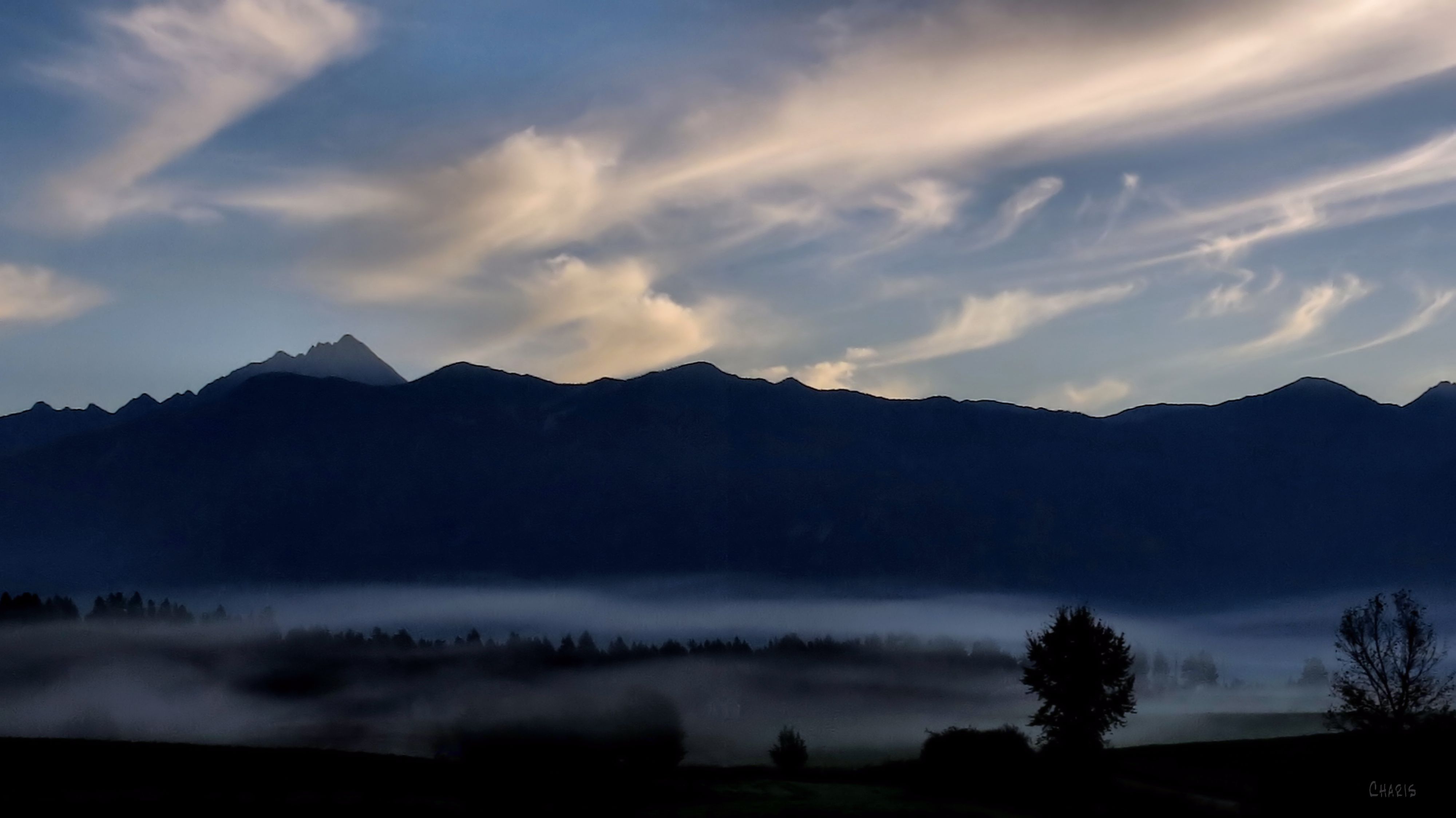 If you don’t have all the wisdom needed for this journey, then all you have to do is ask God for it; and God will grant all that you need. He gives lavishly and never scolds you for asking.
(James 1:5)
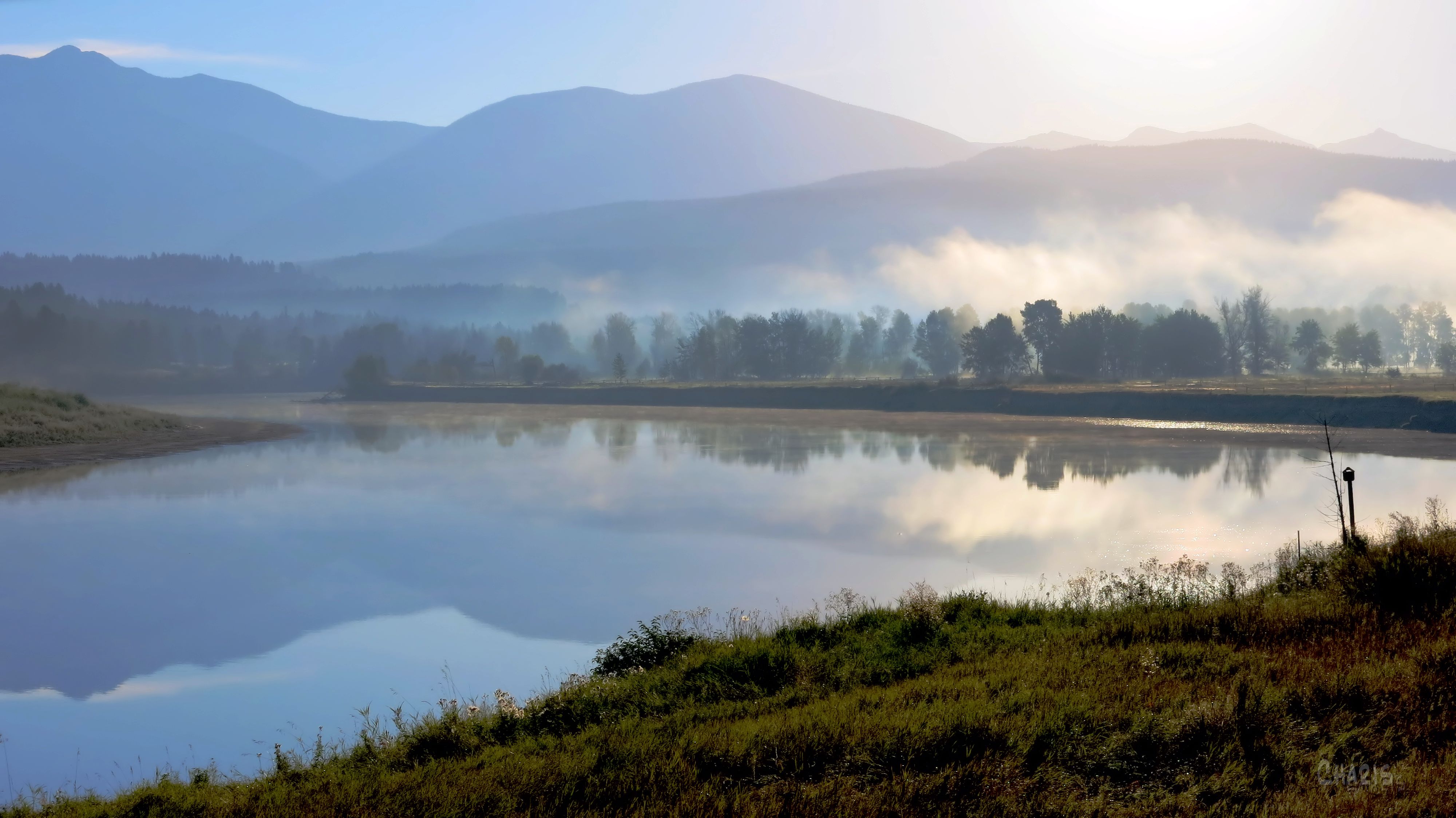 Clarity and obscurity mingle on the horizon. Oh, we need wisdom and understanding, Lord! Sometimes the words sound right, but the spirit feels wrong. Sometimes the spirit feels right but the words sound wrong. Sometimes your greatest gifts arrive in packages easily rejected, and sometimes we delight so much in the wrapping we fail to notice the gift box contains a mere peanut. Help us, Lord!
O Lord, listen to my cry;
give me the discerning mind you promised.
Listen to my prayer;
rescue me as you promised.
Let praise flow from my lips,
for you have taught me your decrees.
(Psalm 119:169-171)
You may not have noticed but there was a shift in the world the day my mother died. It was all very well and good for her; she wanted to go be with Jesus. She sat in a lounge chair and Dad held her hand as he read a book. After a while he looked up to check on her. She had a smile and a wide-eyed look of excitement on her face as if someone special had just come through the door. But she didn’t answer when Dad spoke to her. She was gone.
There was a shift in the world that day for me because I had never known a world without my mom in it. It felt like descending the stairs in the dark, expecting the last step onto solid floor, but it was missing, and my foot dropped suddenly. Someone who had always been there suddenly was not.
Mom suffered poor health most of her life, but she did what she could and prayed for her family and nine grandchildren every day. She was a super-efficient woman with high standards. I was used to her doing all the thinking and planning. When she died I had to grow up.
I’m the grandma now, but I am not my mother, nor are my grandkids her grandkids. I learned from her and am very thankful for the heritage she gave me, but I do some things differently with her great-grandchildren. I have access to a lot of things she didn’t via internet and since the Lord has granted me health and a vehicle (in mom’s day a lot of women never learned to drive) I can go visit them and help care for them when their parents need help.
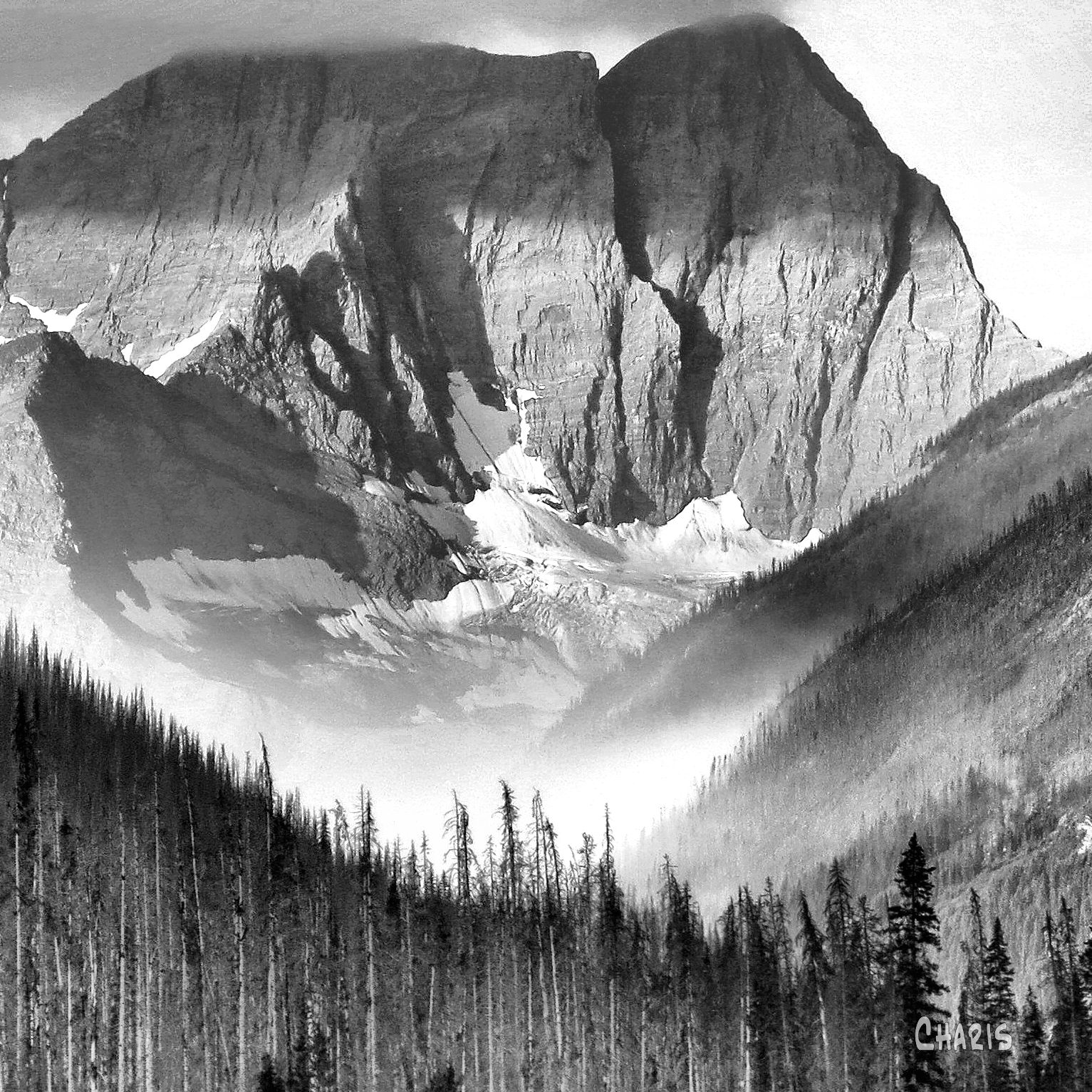
A couple of weeks ago as I drove home from my Dad’s place I passed through a forest that burned down when I was a child. Trees cover the mountains now, but only to half the height of the old burned trunks. Further down the road another devastating fire took out miles and miles of forest on either side of the road a few years ago. I cringe when I go through there now. I used to love to roll down the windows and breathe deeply the scent of pine and fir and spruce and cedar as I drove in flickering sunlight. The road cut like a narrow canyon between giants trees. It used to be such a wonderful place.
On this last trip the wonderful smell was again replaced by the acrid smoky scent of the death of more forest. I rolled up the windows and popped a stick of peppermint gum in my mouth. Another fire in the back country sent its gray harbinger of loss into my beautiful valley. I drove grimly homeward.
This week the forestry department announced intent to do prescribed burns. As much as we hate them forest fires are a natural part of a healthy ecology in this part of the world. Fire releases seeds from hard-shelled cones. It allows light to penetrate down to the earth and encourages new growth and species. Old growth forests are magnificent, but if the dead wood and debris on the forest floor is not cleared out regularly, fuel for mega-fires builds up. Younger trees growing in the shade of giants stay small and burn easily. Dry dead or diseased trees can actually explode in high intensity wildfires. They contribute to the dreaded crown fires with their own whirlwinds of flame and intense heat that jump rivers and leave scorched earth. Intense fires can go underground and smoulder for months.
Sometimes a forest needs to die in order to live. For a tree-hugger like me seeing a tall lush tree that sheltered birds and animals replaced by a branchless pole is like mourning the death of a loved one. I don’t like this kind of change being thrust upon me. I want to be able to choose when I will open the gate to change. I know I procrastinate clearing out the deadwood, but I plan to get around to it eventually.
Procrastination, alas, permits fuel to build up for major conflagrations. Some ways of doing things, like dead branches on the forest floor, no longer serve a purpose. Some unhealthy things, ignored too long, can suddenly burst into flame and bring down entire institutions we thought would last forever.
Letting go of habits and traditions and rules and regulations that inhibit growth can feel devastating. We want to protest, “But we’ve never done it this way before.” Ideally some of the big trees in the forest survive a low intensity fire and continue to give shelter, but sometimes, in the course of renewal, we face loss of the familiar. We can no longer rely on the way we’ve always done things before.
It’s called shift.

But when the light reaches the forest floor again something new springs to life. We mourn, we let go, we move on, we grow.
The Lord takes away, but in time, he always restores, and it’s always good.
Behold, the former things have come to pass,
and new things I now declare;
before they spring forth
I tell you of them.” (Isaiah 42:9)
Behold, I am doing a new thing;
now it springs forth, do you not perceive it? (Isaiah 43:19a)
Therefore, if anyone is in Christ, he is a new creation.
The old has passed away; behold, the new has come. (2Corinthians 5:17)
And he who was seated on the throne said,
“Behold, I am making all things new.”
Also he said, “Write this down, for these words are trustworthy and true.” (Revelation 21:5)
 “We need a baptism of clear seeing. We desperately need seers who can see through the mist–Christian leaders with prophetic vision. Unless they come soon it will be too late for this generation. And if they do come we will no doubt crucify a few of them in the name of our worldly orthodoxy.” -A.W. Tozer


 Charis: Subject to Change