Fly Fishing on the Elk River


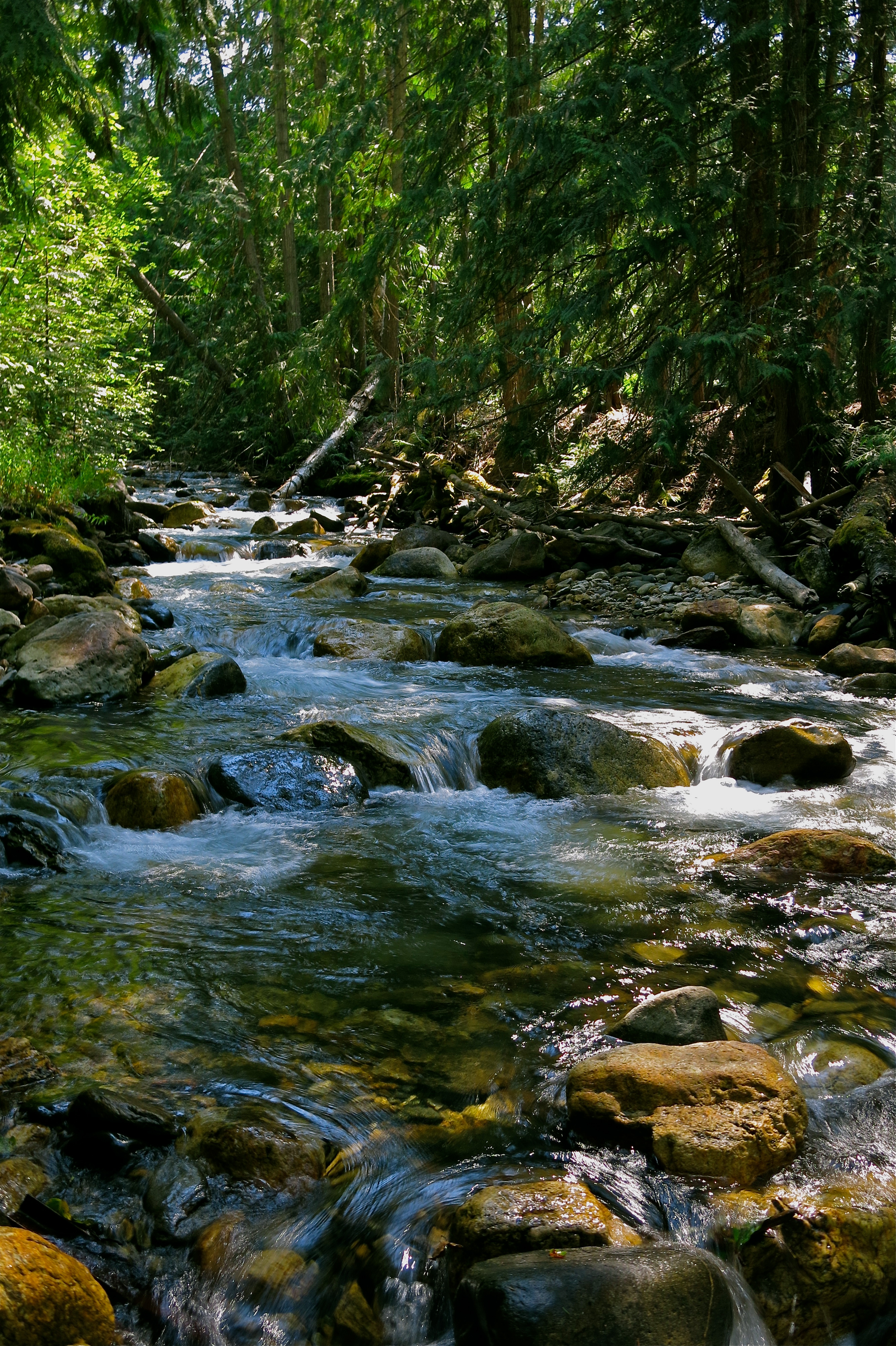
Elk River flyfishing autumn ch mountain tunnel IMG_6565

I love this place. This is one of my favourite spots in British Columbia. My dear friend and I drove past it yesterday on our way to Starbucks in Fernie for an October treat: a pumpkin spice latte. We stopped to take photos and noticed the fly-fishermen wading in the river down in the valley. I soaked in the abundance of beauty, a gracious gift from God, and my soul felt refreshed.

The autumn colours remind me that even in change there is beauty. There is abundant grace.

Thank you, Lord.

And God is able to make all grace abound to you, so that always having all sufficiency in everything, you may have an abundance for every good deed.

(2 Corinthians 9:8 NASB)

It Only Takes a Spark

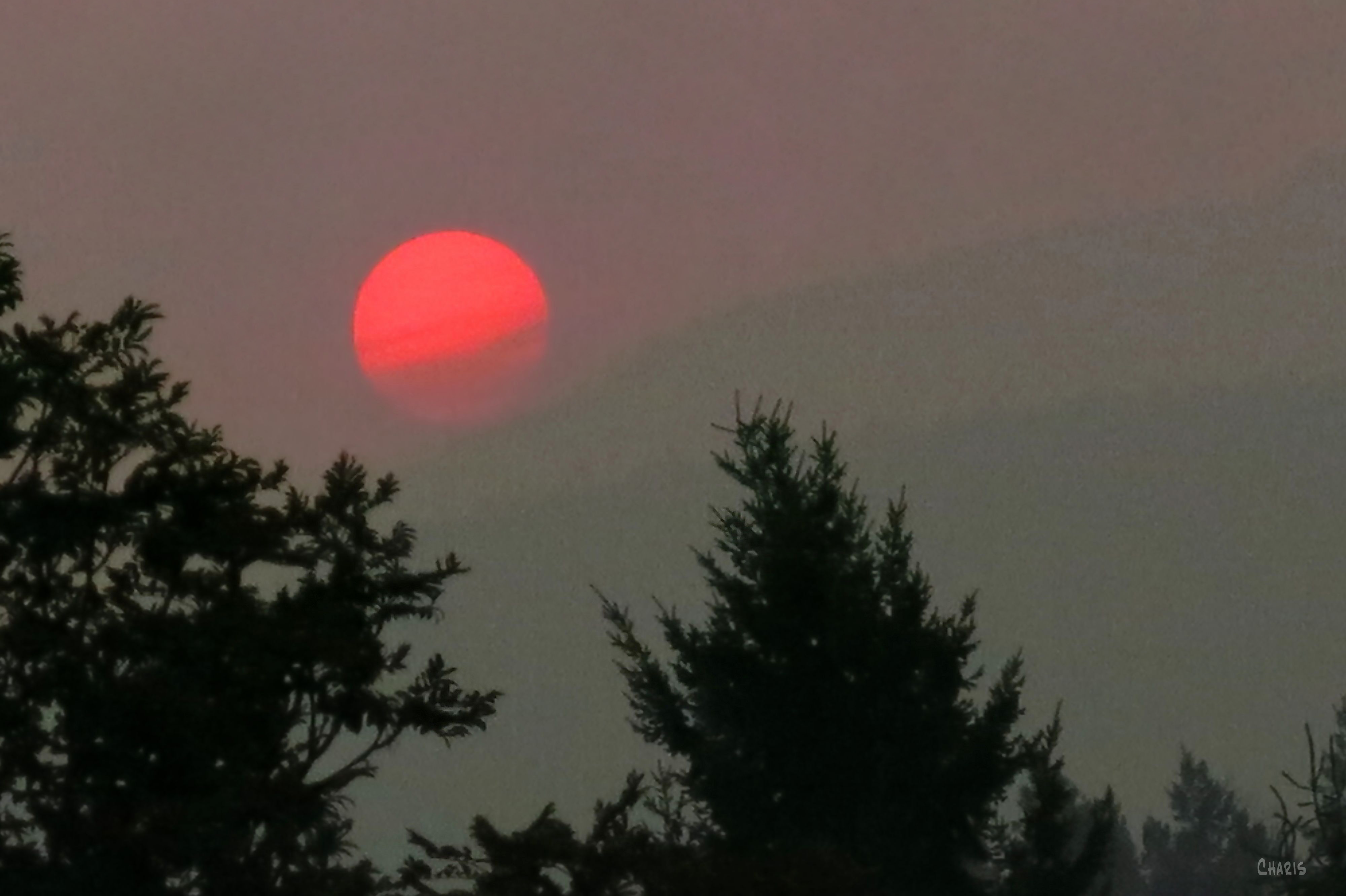
red sun ch aug 26 2 IMG_5157

Our beautiful valley is lost somewhere in the smoke. Even the sun has trouble finding it.

It’s hard to breathe. Our eyes sting. We keep clearing our throats to rid them of irritating “particulate matter.” A thin layer of ash covers everything, and since we are on water restrictions we can’t use the hose to wash it off.

We pray for rain.

It’s hard to imagine how someone tossing a cigarette out the window could cause worried parents a thousand miles away to rush their asthmatic child to the hospital. Such is the nature of sparks.

I read this in the book of James today: It only takes a spark, remember, to set off a forest fire. A careless or wrongly placed word out of your mouth can do that. By our speech we can ruin the world, turn harmony to chaos, throw mud on a reputation, send the whole world up in smoke and go up in smoke with it, smoke right from the pit of hell. (James 3:5,6 The Message)

Just before this James warns: Not many of you should become teachers, my fellow believers, because you know that we who teach will be judged more strictly. (3:1 NIV)

Here’s the thing. Ideas have consequences. A teaching that is off by only a degree will have negative repercussions years or generations later. Sometimes it’s difficult to make corrections to an idea that has been around for a long time. It’s impure light can taint an entire environment.

We are not called to condemn people, but we are called to use discernment. We are told that prophecy needs to be judged, that we need to cling to Jesus’ sound doctrine, that we need to test the spirits and not believe everything we hear or read. That’s wisdom, not unauthorized condemning judgment. That’s taking responsibility for oneself. Most of all we need to be rooted and grounded in Christ’s love. Examine and test and evaluate your own selves to see whether you are holding to your faith and showing the proper fruits of it. Test and prove yourselves [not Christ]. (2 Corinthians 13:5 Amplified)

The second verse in James 3 says: We all stumble in many ways. Anyone who is never at fault in what they say is perfect, able to keep their whole body in check.

I have known many excellent teachers. The best ones avoid throwing words out carelessly, but none of them are yet perfect. Rejecting everything a person has taught because they have been wrong on some point is equally as foolish as swallowing everything any public figure has ever said. Some are more reliable than others, but no one person has the complete picture of God. To reject a person’s contribution to the pool of knowledge because of an error is to assume that there are teachers out there who are without error. And that, my friends, is a set-up for spiritual abuse.

We have an example of correction when Priscilla and Aquilla, who had a relationship with Apollos, took  him aside and taught him more thoroughly. They didn’t stop him; they helped him become better. They built him up; they did not attack him or tear him down.

Let me clarify something here. Jesus knew the hearts of mankind, He knew who was not trustworthy, so he didn’t open his heart to them. He gave very stern warnings to those who would cause an innocent to sin. He added: “If your brother or sister sins, go and point out their fault, just between the two of you. If they listen to you, you have won them over. But if they will not listen, take one or two others along, so that ‘every matter may be established by the testimony of two or three witnesses.’ If they still refuse to listen, tell it to the church; and if they refuse to listen even to the church, treat them as you would a pagan or a tax collector.” (Matthew 18:15-17)

There are times to confront sin and even times to call the police. I’m not talking about covering for rapists, pedophiles, scam artists or other law-breakers here. He gives procedures for that kind of confrontation, but it is always with a view to restoration. Sometimes, alas, a person becomes so toxic to others that protection for the vulnerable is a higher priority. Those not willing to change need to be separated and warnings to the public may be necessary. But this is serious stuff and not accomplished by a stranger’s blog or Facebook rant. What I am talking about is inaccurate teachings; I’m not talking about outright sin and denial of sound doctrine (who God is) or  abuse of power. I’m talking about careless words, human error, or incomplete understanding.

Here in southern British Columbia we are still choking on this wretched forest fire smoke that tints everything with orange/brown light, and hides our landmarks. But eventually the rains will come. The temperatures will drop and the fires will die down. We will again have clarity in our vision. The past few weeks have proven that the best efforts of men cannot control the consequences of fire. We are still dependent on the Maker of heaven and earth, which is as it should be.

And we pray for rain.

Not My Problem? When Fire Season Doesn’t Recognize Borders

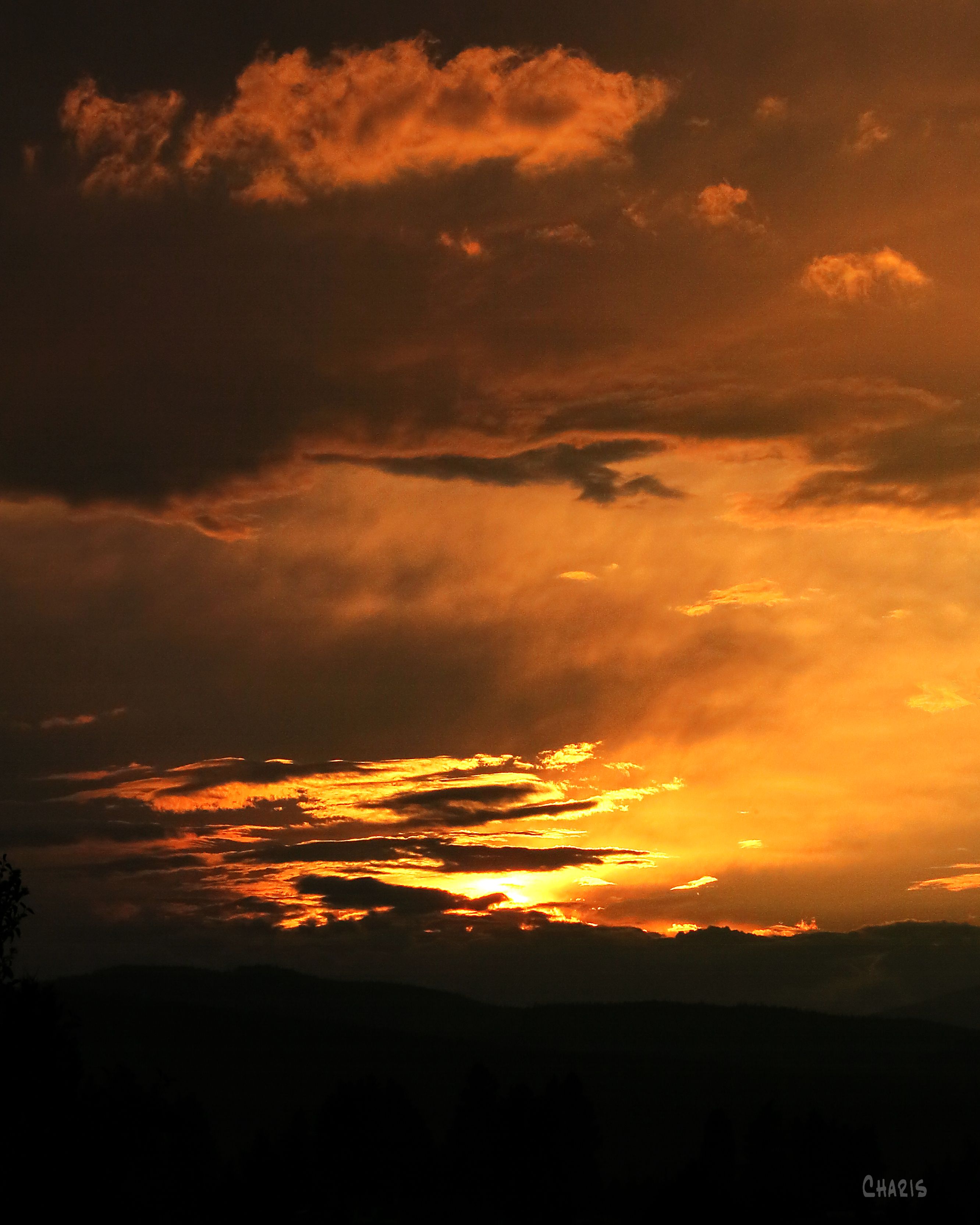
sunset fire season IMG_4908

Say what you will about fire season. It makes for some amazing sunsets. This was the view from my house last night.

It also makes for burning eyes, sore throats, and wheezing from the poor air quality – not to mention the inconveniences of evacuation, closed highways and the expenses of firefighting and outright loss of life and property.

Our valley is filled with smoke. There was a minor fire nearby, which I believe is now under control. Most of this smoke is not “ours.”  What I mean by that is that most of the smoke is from fires burning across the border in Washington and Idaho states. British Columbia is experiencing more fires than usual, but the prevailing winds here in the East Kootenays are from the southwest, which means we are choking on smoke from the country to the south.

I learned something the other day. I saw an article on “The Big Burn,” a massive forest fire in 1910 that burned from Missoula, Montana, through Idaho and into eastern Washington in merely three days. This was in the early days of the US forestry service and they had only a few men with shovels and pickaxes to fight it.

I googled it and according to the maps provided, the fires must have held great respect for Canada’s crown land because the red patches indicating affected areas stopped right at the border in a perfectly straight line. (They looked just like the weather maps on American news reports that seem to imply that weather systems also stop at the border.)

You know I’m being facetious. These boundaries are entirely artificial as far as nature is concerned. “The Big Burn” did include southern British Columbia. The terrible fires in Okanagan county in Washington (which have put an entire county on evacuation alert) have spilled over the border near Osoyoos in Canada and shut down two highways. While we were on a day trip to Idaho last week we saw a fire starting on a mountain near Porthill. It’s threatening the folks on both sides of the line now. Both have received evacuation alerts. I’m sure Canadian cigarette-instigated fires have slipped south over the line as well.

It struck me this morning how often we dismiss something as “not my problem” until it directly affects us. Sure, we all suffer from compassion overload and outrage exhaustion sometimes. We also need to respect boundaries when it comes to being responsible for taking action to solve a problem, but there is really no choice in this big old world that has consequences for one person alone.

Some people say, “This is MY choice. It doesn’t affect anyone but me.” But you know, it does. The connection is not always obvious, but it will show up and drift across boundaries eventually. Unhealthy habits, “just business” practices that exploit the poor and pollute the environment, religious power-grabbing ploys that exploit the trusting and pollute the spiritual environment, political commercials that dishonour other candidates, the destruction of a human life in the womb, even the decision to turn left to buy beer or right to buy tomatoes – many choices are unaffected by borders and will spill over into the lives of others somewhere, someday.

I think that’s what Jesus meant when he talked about being aware of the yeast of the Pharisees and the yeast of Herod. It was a metaphor for the way an attitude or idea can permeate an entire society. We have accepted an attitude that our own personal peace and our own personal prosperity are more valuable than other people’s and they can somehow be protected by artificial boundaries. This attitude has permeated our culture. We need good personal boundaries, (good fences make good neighbours) but we also need to recognize our connections and that we have an influence on our brother’s and sister’s well – fare.

I apologize to the people south of the border who have been suffering from a terrible fire season. I’m sorry I never took note until the smoke bothered me. I believe in the power of prayer and I will also appeal for you. If you are reading this from another part of the world, please join me.

Source


IMG_3739

The Eternal is the source of my strength and the shield that guards me. When I learn to rest and truly trust Him, He sends His help. This is why my heart is singing! I open my mouth to praise Him, and thankfulness rises as song….

(Psalm 28:7 The Voice)

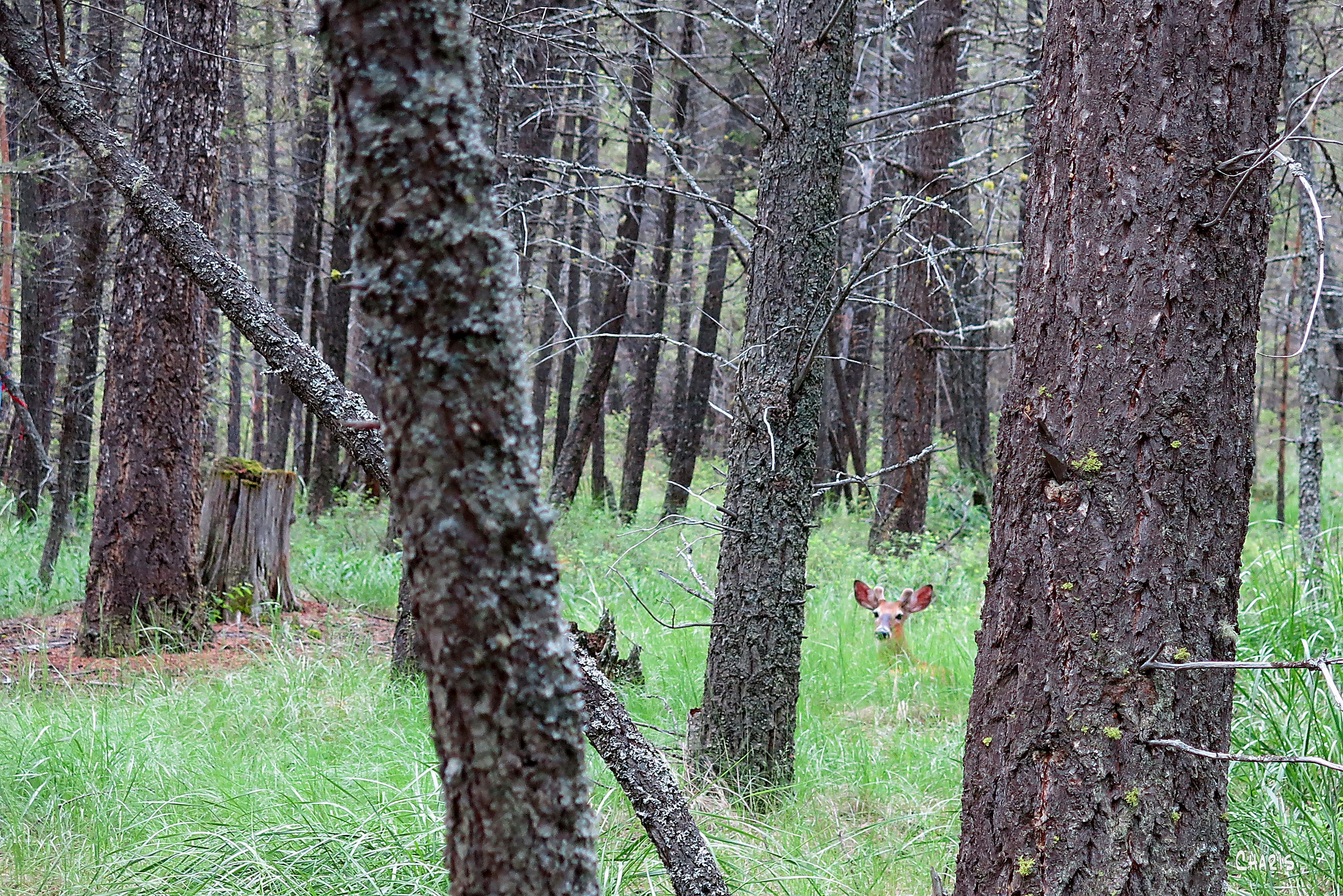
Green

Yahk valley green ch IMG_4504 “The tree which moves some to tears of joy is in the eyes of others only a green thing that stands in the way. Some see nature all ridicule and deformity… and some scarce see nature at all. But to the eyes of the man of imagination, nature is imagination itself.” – William Blake

Beyond the Reach


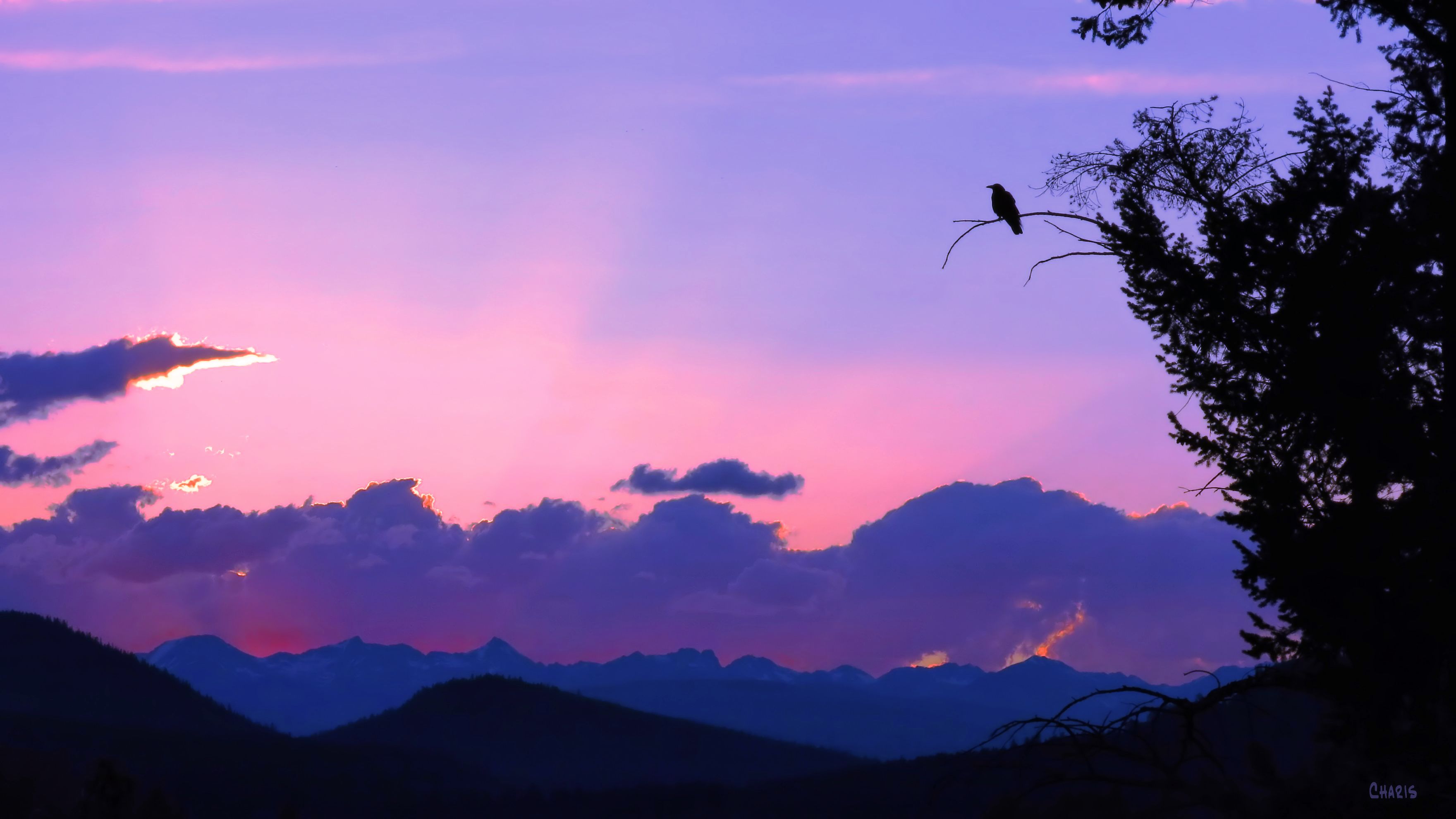
IMG_3473 sunset june 11 4

All consolation that does not come from God is but desolation; when the soul has learned to receive no comfort but in God only, it has passed beyond the reach of desolation.

– Madame Jeanne Guyon

Something Else


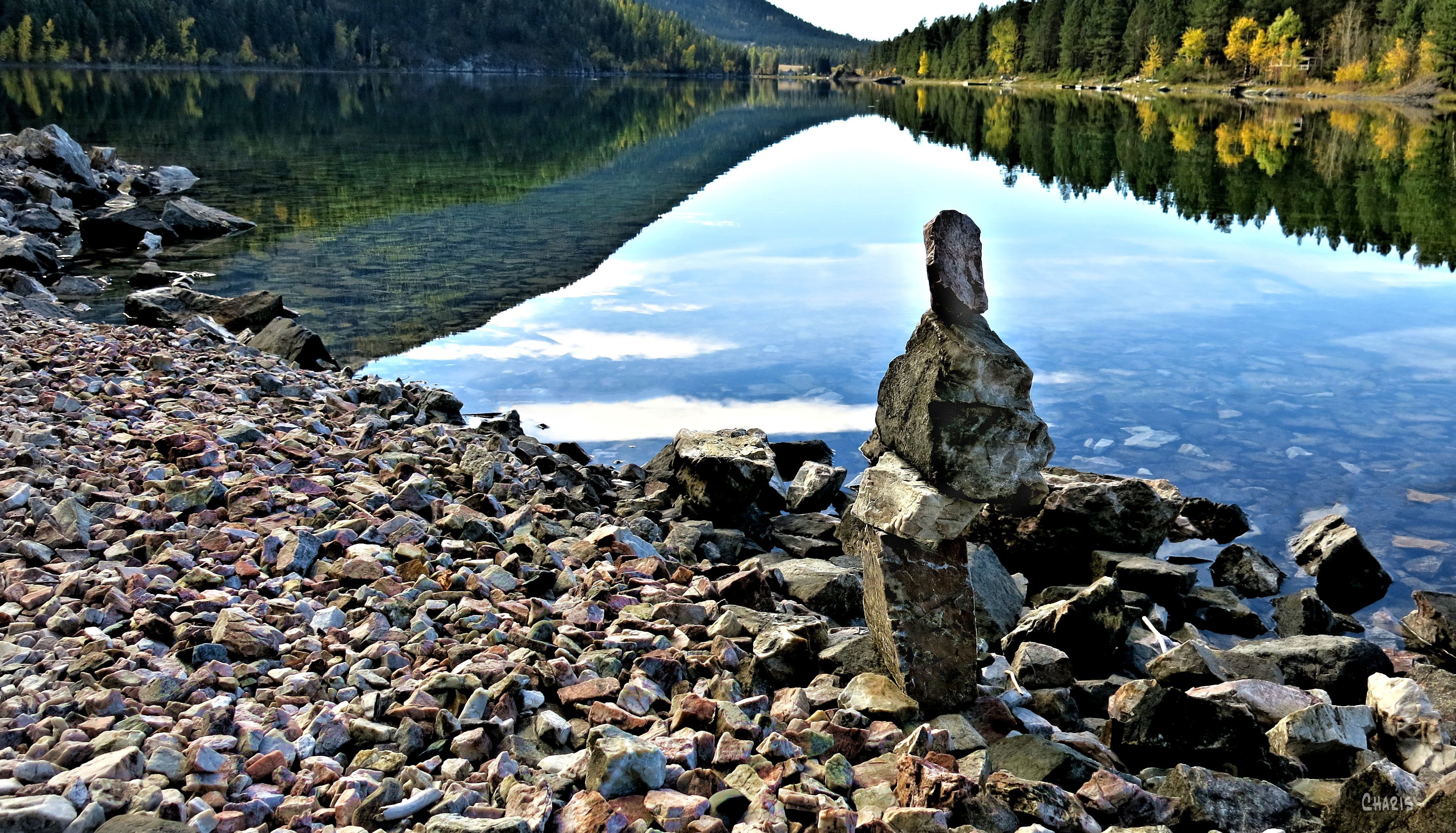
IMG_6293 lazy lake rock tower 2 ch


“When we lose sight of God we become hard and dogmatic. We hurl our own petitions at God’s throne and dictate to Him as to what we wish Him to do. We do not worship God, nor do we seek to form the mind of Christ. If we are hard towards God, we will become hard towards other people.”
— Oswald Chambers, My Utmost for His Highest


Disappointments in life come because we had expectations. Not dreams. Expectations. When we have a picture of love in our heads it can become our definition of love. We may not all say it out loud to parents, or potential partners, or even friends, but we all think, “If you love me you will ____________.” It’s a test that we ourselves mark. And sooner or later we are disappointed. Sometimes profoundly so. Either the false expectation goes, or the relationship slips into the slow death of lost hope.

Sometimes we think we are praying when we are actually putting God to a test. We are saying, in essence, “If you love me you will ___________,” or “If you are really God you will ___________.” When we put someone to a test we have decided in advance what the right answer is. We are putting ourselves in a position of judge over someone when our expectations must be met for them to pass the test. We make ourselves superior.

God doesn’t play that game. You may have noticed.

We have expectations that if he loves us he will give us a good marriage, robust health, intelligent grateful children, a rewarding career, financial security, a life of peace with reasonable neighbours, and a good reputation that reflects our glory. When God doesn’t meet these expectations of our own design it is easy to allow disappointment to harden into resolution. Instead of finding out who he really is we create another false god, one who is uncaring, or capricious, or inaccessible or hard and dogmatic – at least this god doesn’t disappoint us. Instead of searching for God’s true nature we build our own constructs and dogmas, then we preach that god with our actions and attitudes. We can become hard, graceless, or apathetic.

I think disappointment and loss of hope is the greatest pain known to mankind. We can forge through almost anything but hopelessness. Without hope, what’s the point? It takes the courage of hope to take the risk of pursuing God through the pain of disappointment, to humbly admit that we do not hold the answers, to seek the mind of Christ. Sometimes the ultimate form of worship is simply to make an offering of our pain and say, “You are God and I am not.”

When Moses (who up until that point had settled into the disappointment of his life’s circumstances) asked God to show himself, the aspect God chose to show was his goodness, which was so overwhelming Moses had to be hidden in the cleft of the rock. God’s goodness doesn’t always fit our definition. It is something else, because God is Something Else – holy other, entirely unique, and worthy of seeking out. We don’t come to him so that he can reflect our glory, but so that we can reflect his.

We can rejoice, too, when we run into problems and trials, for we know that they help us develop endurance.

And endurance develops strength of character, and character strengthens our confident hope of salvation.

And this hope will not lead to disappointment.

For we know how dearly God loves us,

because he has given us the Holy Spirit to fill our hearts with his love.

(Romans 5:3-5)