Indeed I can put it, finally, like this; the ultimate cause of all spiritual depression is unbelief, for if it were not for unbelief even the devil could do nothing. It is because we listen to the devil instead of listening to God that we go down before him and fall before his attacks. -Martyn Lloyd-Jones
Christ never failed to distinguish between doubt and unbelief. Doubt is can’t believe. Unbelief is won’t believe. Doubt is honesty. Unbelief is obstinacy. Doubt is looking for light. Unbelief is content with darkness. -Henry Drummond
There are those who insist it is a very bad thing to question God. To them “why?” is a rude question. That depends, I believe, on whether it is an honest search, in faith, for His meaning, or whether it is the challenge of unbelief and rebellion. -Elizabeth Elliot
Ignorance asks for understanding. Unbelief asks for proof. -Bill Johnson
Unbelief is actually perverted faith, for it puts its trust, not in the living God, but in dying men. -A.W. Tozer
There is no worse screen to block out the Spirit than confidence in our own intelligence. -John Calvin
All unbelief is the belief of a lie. -Horatius Bonar
Jesus said to him, “Thomas, because you have seen Me, you have believed. Blessed are those who have not seen and yet have believed.” (John 20:29 )
to roads where truth and righteousness echo His name.
Even in the unending shadows of death’s darkness, I am not overcome by fear. Because You are with me in those dark moments, near with Your protection and guidance, I am comforted.
You spread out a table before me, provisions in the midst of attack from my enemies; You care for all my needs, anointing my head with soothing, fragrant oil, filling my cup again and again with Your grace.
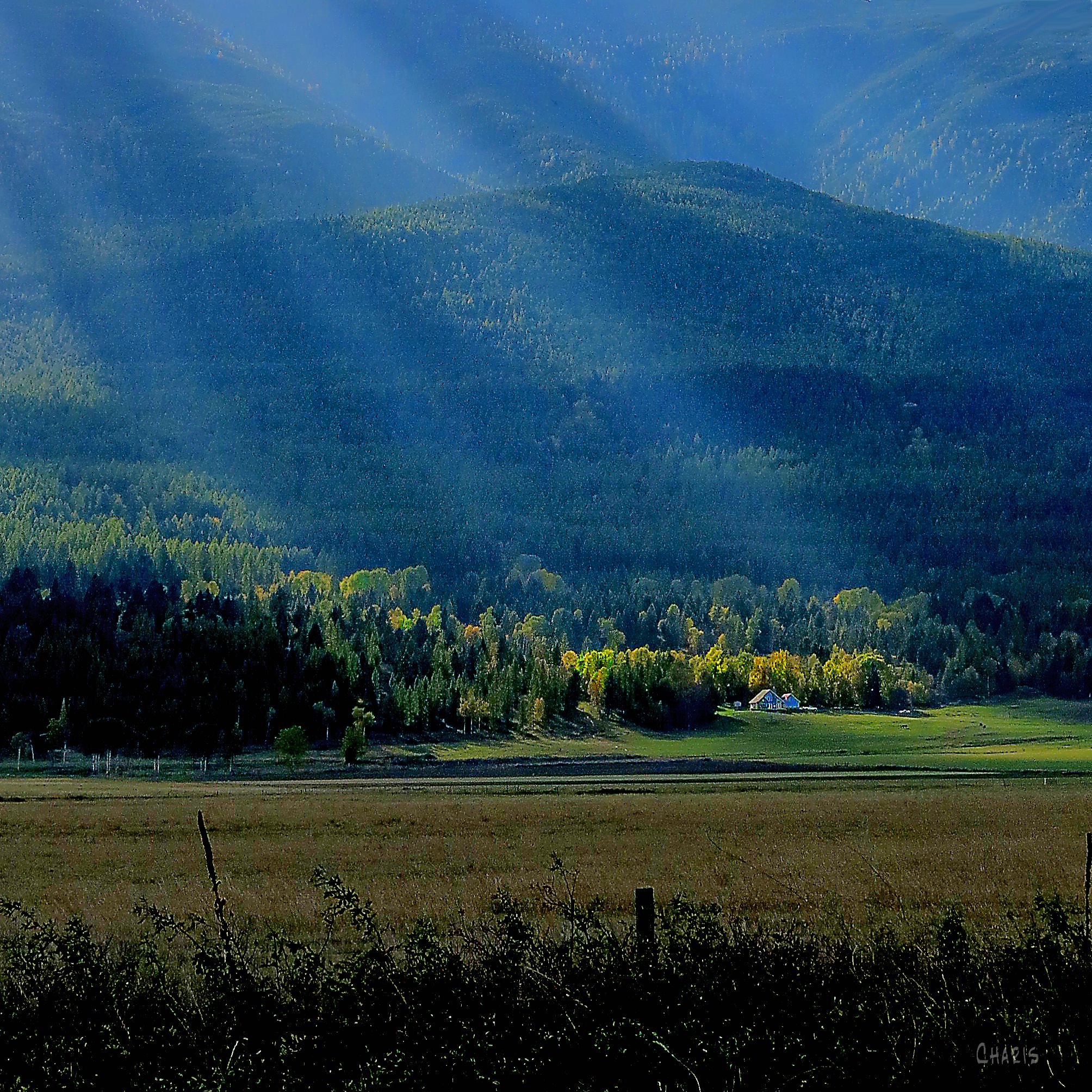
Morning Fog
Certainly Your faithful protection and loving provision will pursue me where I go, always, everywhere. I will always be with the Eternal, in Your house forever.
You may not have noticed but there was a shift in the world the day my mother died. It was all very well and good for her; she wanted to go be with Jesus. She sat in a lounge chair and Dad held her hand as he read a book. After a while he looked up to check on her. She had a smile and a wide-eyed look of excitement on her face as if someone special had just come through the door. But she didn’t answer when Dad spoke to her. She was gone.
There was a shift in the world that day for me because I had never known a world without my mom in it. It felt like descending the stairs in the dark, expecting the last step onto solid floor, but it was missing, and my foot dropped suddenly. Someone who had always been there suddenly was not.
Mom suffered poor health most of her life, but she did what she could and prayed for her family and nine grandchildren every day. She was a super-efficient woman with high standards. I was used to her doing all the thinking and planning. When she died I had to grow up.
I’m the grandma now, but I am not my mother, nor are my grandkids her grandkids. I learned from her and am very thankful for the heritage she gave me, but I do some things differently with her great-grandchildren. I have access to a lot of things she didn’t via internet and since the Lord has granted me health and a vehicle (in mom’s day a lot of women never learned to drive) I can go visit them and help care for them when their parents need help.
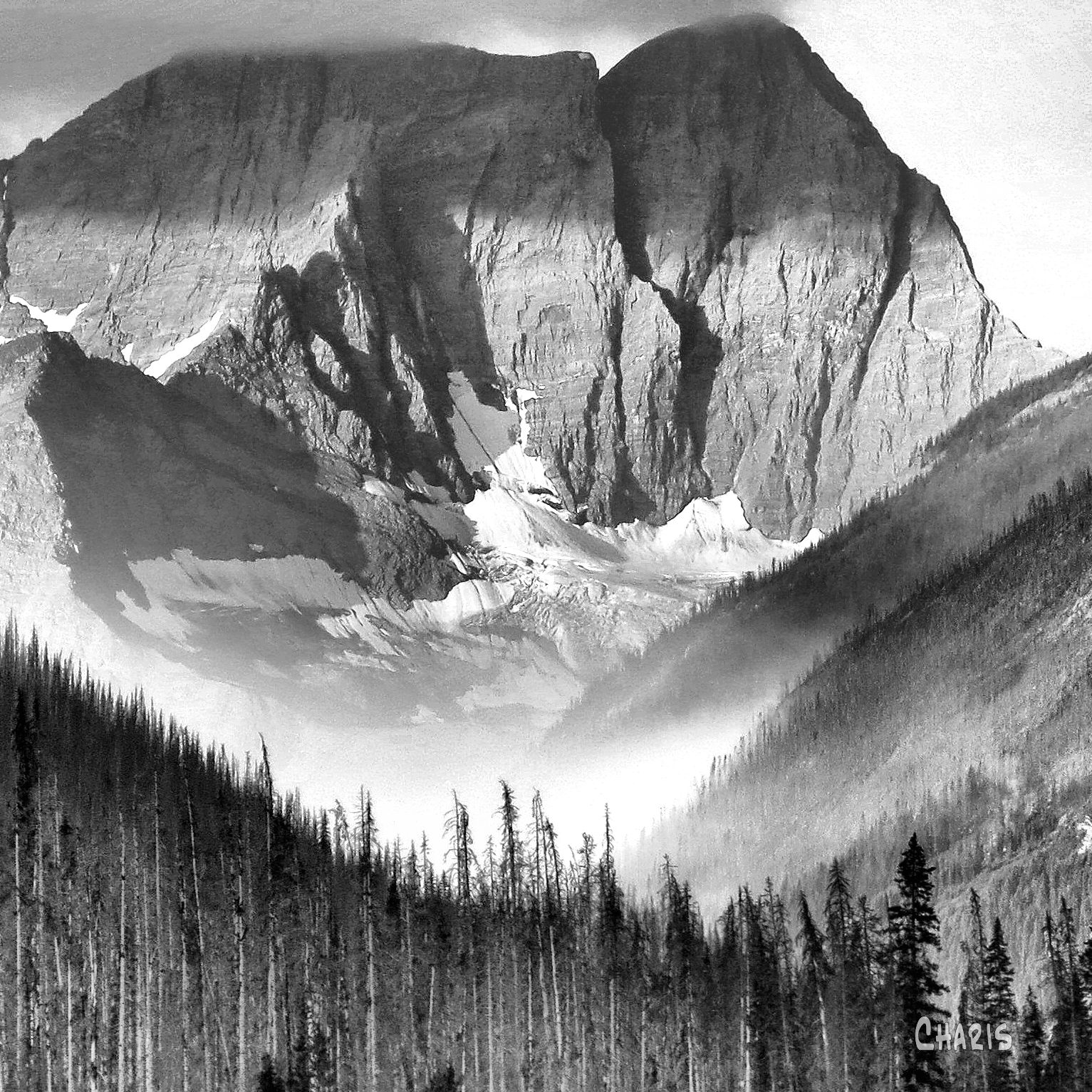
A couple of weeks ago as I drove home from my Dad’s place I passed through a forest that burned down when I was a child. Trees cover the mountains now, but only to half the height of the old burned trunks. Further down the road another devastating fire took out miles and miles of forest on either side of the road a few years ago. I cringe when I go through there now. I used to love to roll down the windows and breathe deeply the scent of pine and fir and spruce and cedar as I drove in flickering sunlight. The road cut like a narrow canyon between giants trees. It used to be such a wonderful place.
On this last trip the wonderful smell was again replaced by the acrid smoky scent of the death of more forest. I rolled up the windows and popped a stick of peppermint gum in my mouth. Another fire in the back country sent its gray harbinger of loss into my beautiful valley. I drove grimly homeward.
This week the forestry department announced intent to do prescribed burns. As much as we hate them forest fires are a natural part of a healthy ecology in this part of the world. Fire releases seeds from hard-shelled cones. It allows light to penetrate down to the earth and encourages new growth and species. Old growth forests are magnificent, but if the dead wood and debris on the forest floor is not cleared out regularly, fuel for mega-fires builds up. Younger trees growing in the shade of giants stay small and burn easily. Dry dead or diseased trees can actually explode in high intensity wildfires. They contribute to the dreaded crown fires with their own whirlwinds of flame and intense heat that jump rivers and leave scorched earth. Intense fires can go underground and smoulder for months.
Sometimes a forest needs to die in order to live. For a tree-hugger like me seeing a tall lush tree that sheltered birds and animals replaced by a branchless pole is like mourning the death of a loved one. I don’t like this kind of change being thrust upon me. I want to be able to choose when I will open the gate to change. I know I procrastinate clearing out the deadwood, but I plan to get around to it eventually.
Procrastination, alas, permits fuel to build up for major conflagrations. Some ways of doing things, like dead branches on the forest floor, no longer serve a purpose. Some unhealthy things, ignored too long, can suddenly burst into flame and bring down entire institutions we thought would last forever.
Letting go of habits and traditions and rules and regulations that inhibit growth can feel devastating. We want to protest, “But we’ve never done it this way before.” Ideally some of the big trees in the forest survive a low intensity fire and continue to give shelter, but sometimes, in the course of renewal, we face loss of the familiar. We can no longer rely on the way we’ve always done things before.
It’s called shift.
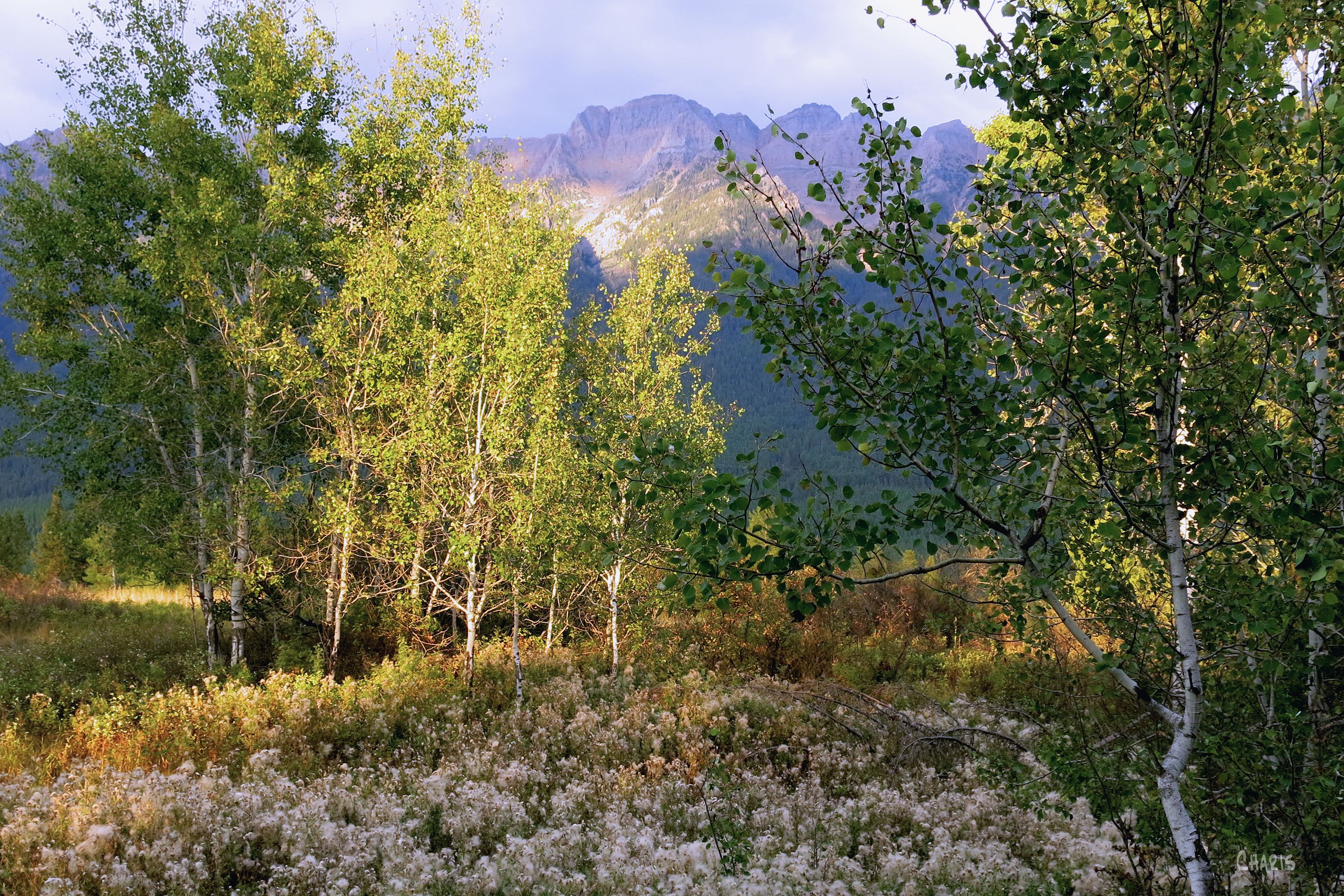
New Growth
But when the light reaches the forest floor again something new springs to life. We mourn, we let go, we move on, we grow.
The Lord takes away, but in time, he always restores, and it’s always good.
Behold, the former things have come to pass,
and new things I now declare;
before they spring forth
I tell you of them.” (Isaiah 42:9)
Behold, I am doing a new thing;
now it springs forth, do you not perceive it? (Isaiah 43:19a)
Therefore, if anyone is in Christ, he is a new creation.
The old has passed away; behold, the new has come. (2Corinthians 5:17)
And he who was seated on the throne said,
“Behold, I am making all things new.”
Also he said, “Write this down, for these words are trustworthy and true.” (Revelation 21:5)
I often wondered what “Be angry and do not sin,” meant. I hate feeling angry. I don’t like me when I’m angry. But sometimes rage just rises up and I don’t know what to do with it.
Sometimes anger flares up over seemingly trivial things, and I’m embarrassed by it. It’s like some poor soul accidentally stepped on a buried land mine from a forgotten war. I thought I had dealt with that, but I guess there was still something nasty there.
Anger is a secondary emotion. Anger is like a shockingly annoying siren screaming that something is wrong. A shameful weakness or secret is about to be exposed, or somebody is demanding something I don’t want to part with, or something is removing my ability to choose how I will spend my time or resources. Sometimes the anger looks like righteous indignation on behalf of another person, often a child, but that’s because an incident triggers a memory of past hurts when no one seemed to notice or care about me either.
Anger can be an agent of grace when it signals an area that is still infected and still needs healing. Anger is an agent of grace when it motivates change for the better. It’s like the engine light flashing on the dashboard of the car. We don’t always know what’s wrong, or how to fix it, but we know it needs attention.
The problem with not attending to the real issue is that after time anger begins to congeal and solidify into bitterness. Bitter people are hard people. The Bible calls them stiff-necked, because they become stubborn in their resentment. Any endeavour we embark upon that has bitterness at its root is bound to produce bitter fruit. The quality of the fruit is dependent on the quality of the seed that is sown and the type of tree that grows from that seed.
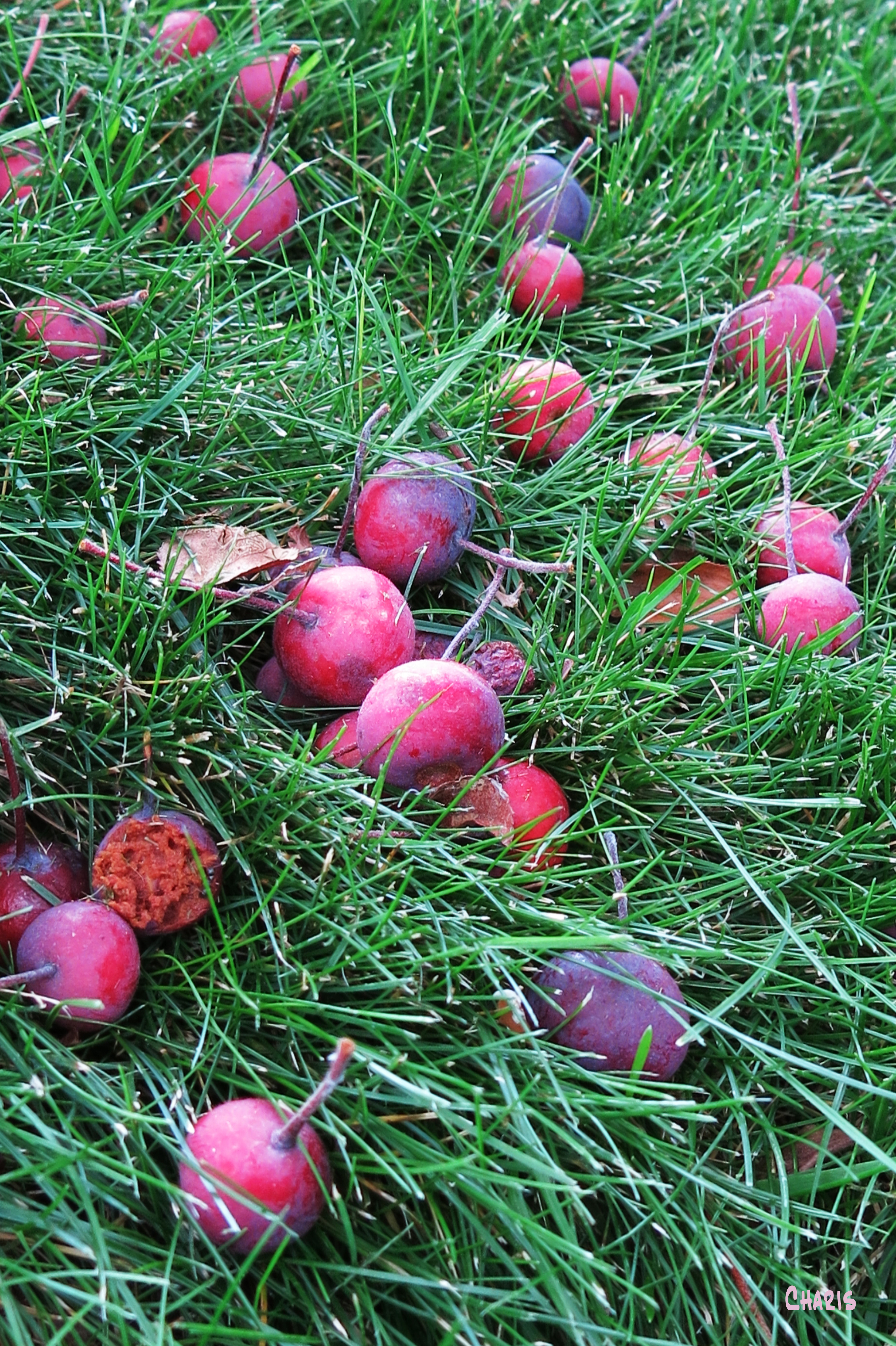
We have a tree in our garden that starts off beautifully every spring. The blossoms that completely cover this plum tree draw attention from passers-by. It looks marvelous! But this time of year it draws complaints (especially from me) as it drops its inedible fruit and attracts vermin that don’t seem to mind its bitterness. I was just out there sweeping more bitter plums as they rolled, like on-top-of-spaghetti meatballs, down the sidewalk and onto the street.
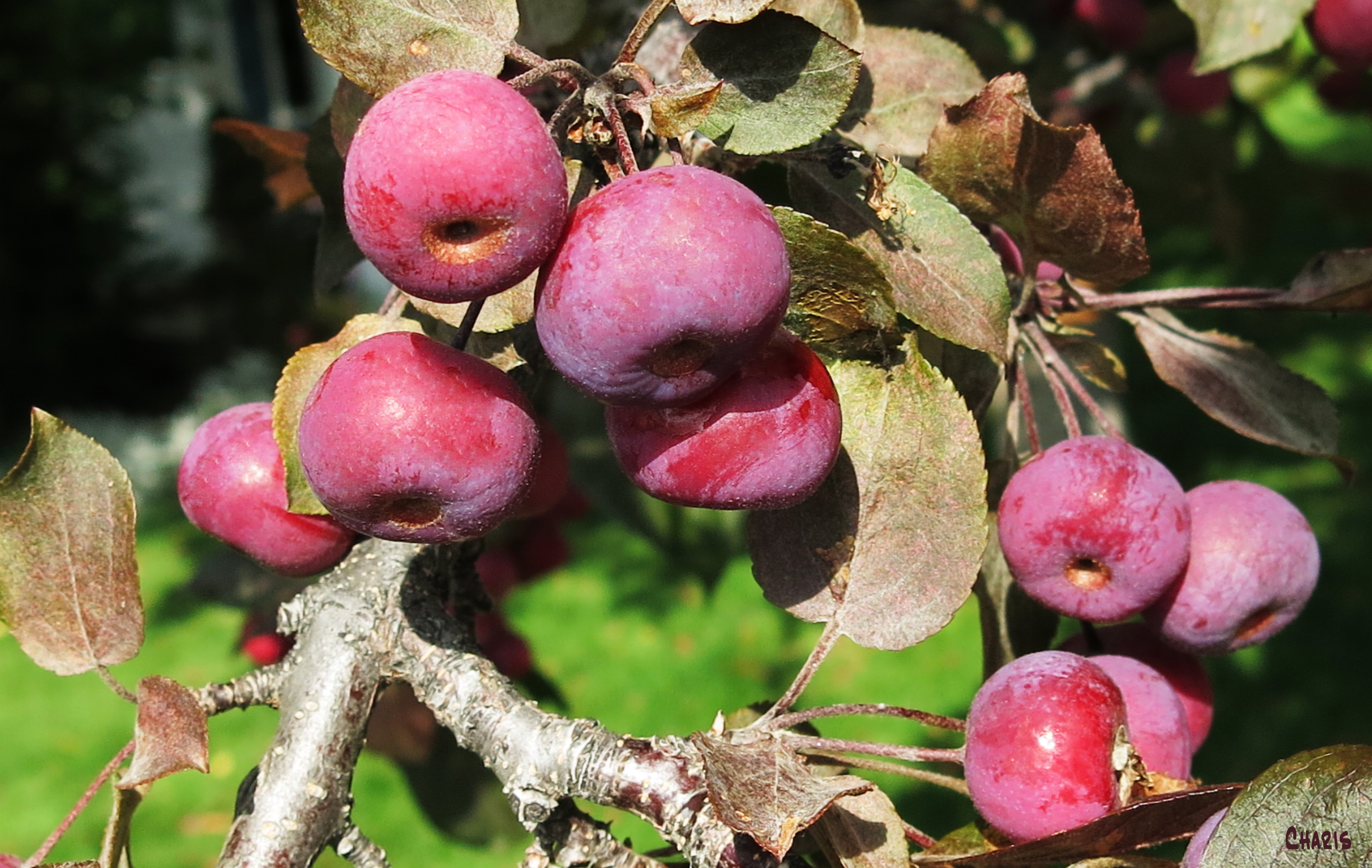
fallen
Jesus warned his disciples about false prophets who would show up like ravenous wolves. They would look good at first -just like the other harmless sheep, but eventually their true nature would become evident. He said we could identify them by their fruit.
The fruit of bitterness shows up in words, bitter words. Anger leaves room for hope of change. Many crusades for justice in the world have been triggered by anger toward an incident that causes people to unite, rise up and say, “No more!”
Bitterness says, “What do you expect? It’s always going to be this way. They have all the power and influence. I am a perpetual victim of injustice. The rich get rich and the poor get poorer. It’s hopeless and God is either impotent or complicit in the whole thing,” or, “People are not obeying the rules! They should not be getting away with this. I’ve had to obey the rules all my life and nobody has ever rewarded me for it. But that’s way it goes, I guess.”
The bitter “prophet” loves to point out what is wrong, but cannot offer hope for change. They might talk about “should” but they have a harder time talking about “how.” They cling to the deeds of the law even though they resent the law themselves. Galatians says these are some of the fruits of that thinking: enmities, strife, jealousy, outbursts of anger, disputes, dissensions, factions and envyings.”
These are the things that cause people, some of them with great reputations who have been entrenched in churches for years, to reveal ravenous aggressiveness that would devour those who live in hope of changing into the likeness of Jesus Christ. They have lots of words to offer about why something won’t work, and what’s wrong with anybody who follows God zealously and does things differently, but they have few words of encouragement that urge the next generation to stretch and to pursue a relationship with God that goes farther than we have gone or to see greater works than our generation has seen.
Sometimes it’s the very folks who tell us they are the shepherds guarding us against all possible heresy who themselves attack the sheep with harsh words, criticism, gossip, disputes and slander. (And like ravenous wolves they tend to join up in packs and go after prey bigger than themselves.)
Our words need to be full of the same grace we have received from God. We need to give people room to grow and not condemn those who are still learning and not yet perfect. We need to gently correct with a humility that comes from willingness to be transparent about our own struggles, and build up and equip those coming behind us to be greater in the kingdom than anything we have imagined. Only by letting go of our own disappointments and bitterness through forgiveness, only by entering God’s presence through gratitude and praise for all His goodness, only by letting his healing light reveal those dark corners where hidden time-bombs of shame and pain and guilty secrets still lurk -and bringing them to Jesus for healing- can we be kind, tender-hearted, encouragers full of love.
Be angry, and yet do not sin; do not let the sun go down on your anger,and do not give the devil an opportunity.He who steals must steal no longer; but rather he must labor, performing with his own hands what is good, so that he will have something to share with one who has need.Let no unwholesome word proceed from your mouth, but only such a word as is good for edification according to the need of the moment, so that it will give grace to those who hear.Do not grieve the Holy Spirit of God, by whom you were sealed for the day of redemption.Let all bitterness and wrath and anger and clamor and slander be put away from you, along with all malice.Be kind to one another, tender-hearted, forgiving each other, just as God in Christ also has forgiven you. (Ephesians 4:26-32)
The writers of the Psalms -especially David- were not afraid of emotion. They kept it real. Maybe that’s why I like the Psalms so much. Integrity is a quality I admire.
A beloved counsellor once confronted me for saying, “I shouldn’t feel this way.”
“Feeling emotion,” he said, “is no more shameful than feeling thirst. You don’t condemn yourself for being thirsty, do you? You can decide whether the thirst is something you can tolerate until a more convenient time to get a drink, or if you need to deal with it right now. You can analyze the cause of the thirst -are my blood sugars OK, or do I need to avoid salty food before long meetings- and make adjustments to behaviours in the future, but you don’t need to deny the reality of your thirst. You certainly would not be wise to ignore it forever. Emotions are like that; you can choose your response but there is no shame in feeling.”
So much of my life I was taught that I ought to hide sorrow. “Don’t bring everybody down.” “Sparkle, sparkle, little girl. Smile!”
Now I’m not talking about grumbling, complaining and sympathy seeking. I do believe you see what you focus on. I’m just talking about keeping it real and dropping the facade that everything is fine when it is not. The writers of the Psalms did not make a practice of speaking only of good times. They didn’t turn scripture around to make it say “speaking those things that are as if they are not.” They didn’t avoid other people -or God- when all was not going well and when they didn’t have an up-to-date “glorious testimony.”
But what they did do is take their pain and sorrow and turn it into worship. They lamented. They took what they had -their suffering- and offered it as praise.
It is in moments of excruciating pain and even deep personal regret that tragic heroes of stories and stage reveal insights that give us hope in the God who can change us into more than we thought we could be. The Bible honestly reveals the weaknesses of folks who struggled with faith and obedience in adverse circumstances. The Bible includes their failures. The Bible includes laments.
Only a person living a transparent life can write:
I will say to God my Rock, “Why have You forgotten me? Why do I go mourning because of the oppression of the enemy?’ As with a breaking of my bones, my enemies approach me, while they say to me all the day long, “Where is your God?”
And only a person living honestly has the ability to offer:
Why are you cast down, O my soul? And why are you disquieted within me? Hope in God; for I shall yet praise him, the help of my countenance and my God. (Psalm 42)
His dark season did not last forever, and God restored, but Job, after all he feared came upon him, after all other possible sources of happiness had been lost, was in a position to offer the most refined, distilled, pure worship of all, “Though he slay me, yet I will trust Him.”
“Lamentation does not deny the existence of pain; it does just the opposite, in fact. It actually involves worshipping God with that sorrow. What are the circumstances of your life? Are you in the winepress of God, being crushed like a grape?…
If you are in mourning, you have the opportunity to worship in the most powerful way possible – lamentation. This worship isn’t done in order to have God remove the pain. It simply recognizes that God stands in the moment with us. Lamentation elevates God in the presence of our enemies.”
-Graham Cooke
Sometimes it is in the place of our deepest sorrow that the diamonds and rubies of true joy, formed over time under great pressure, are found.
The past few days were unearned. I was a guest of people I care deeply about who own a magnificent three-story villa on a beautiful lake. When both they and my husband were called away by other obligations I had all three stories of luxury to myself to write, to meditate, to pray.
I didn’t own the villa. As a retiree there is no way I could afford a place like this. In fact, I could probably not afford to rent a place like this for even one night. It was a free gift. Other than cleaning up after myself and making sure the door was locked when I went out for a walk along the shore early in the morning I had no responsibilities toward its upkeep. My only obligation was to enjoy it.
Dusk on the Water
And I did. I sat in the hot tub on the roof garden and contemplated the stars. I sat on the bench beside the lake and absorbed the pink sunset flickering in the water. I helped myself to peaches freshly plucked from a tree. I slept in a bedroom almost the size of my house. I even came to appreciate the fact that in the interest of interpersonal connectivity the owner disconnected from the internet. It was just me and God in that villa by the lake.
I felt the Lord saying, “Thus is my grace. It’s a gift. You have done nothing to earn my love. You can’t earn my love. Just sit in my presence and let me love on you a little longer.”
Today, back home, with responsibilities and guests of my own to minister to, I am aware that every breath I take is a gift and I am determined to enjoy His continued presence, for He has promised to never leave me. He is here.

























 Charis: Subject to Change